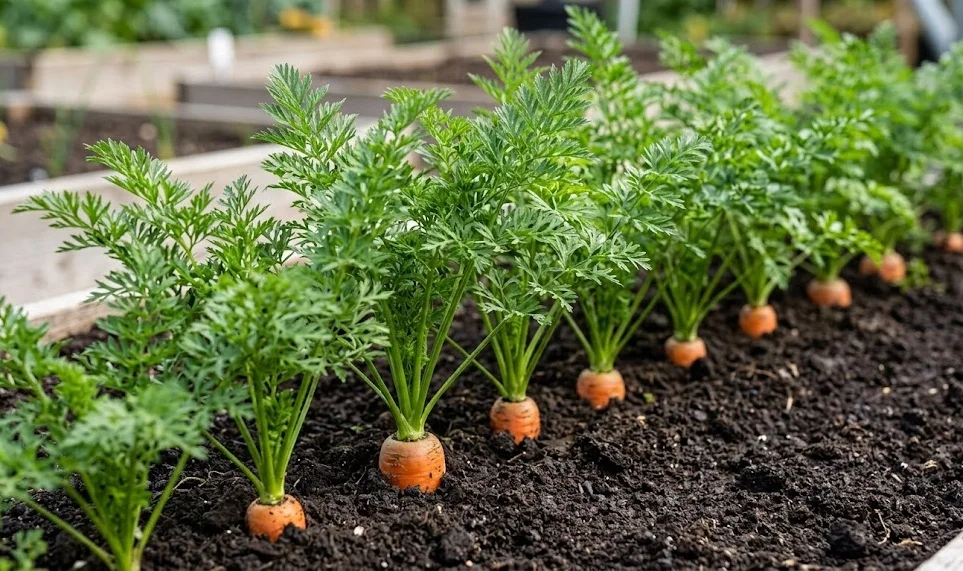

The productivity and taste of a carrot crop are deeply influenced by how effectively you manage the delivery of water and nutrients. Carrots have a unique physiology that requires a delicate balance; too much of either can be just as damaging as too little. While the plants need consistent resources to build their large storage roots, they are also prone to physical defects if the supply is erratic. Mastering these two pillars of cultivation is what separates a casual gardener from a professional agriculturalist.
Water management is the primary driver of root expansion and determines whether your carrots will be succulent or unpleasantly dry. Because the edible part of the plant grows underground, the moisture levels in the subsoil are far more important than those on the surface. You must ensure that the water penetrates deep enough to encourage the taproot to grow downward in search of moisture. This deep-rooting habit is essential for the development of the long, straight carrots that are highly prized in the kitchen.
Fertilization, on the other hand, provides the chemical building blocks for growth, specifically targeting leaf production and sugar accumulation. Carrots are moderate feeders that do not require the massive amounts of nitrogen that leafy greens or corn might demand. In fact, an overabundance of certain nutrients can lead to lush green tops at the expense of the root itself. Your goal is to provide a balanced diet that supports the plant’s overall health without triggering undesirable growth patterns.
The interaction between irrigation and fertilization is a critical aspect of your garden’s nutrient cycle. Water acts as the vehicle that carries dissolved minerals from the soil into the plant’s root system via osmosis. If the soil is too dry, the plant cannot access the nutrients you have applied, leading to localized deficiencies. Conversely, excessive watering can leach mobile nutrients, such as nitrogen, out of the root zone and into the groundwater, wasting your time and money.
Establishing an effective irrigation schedule
A professional irrigation strategy for carrots focuses on consistency and depth rather than frequency alone. During the early stages of growth, the soil must remain moist to support the shallow-rooted seedlings as they establish themselves. As the plants mature and the taproot begins to lengthen, you should gradually transition to deeper, less frequent watering. This transition encourages the roots to “chase” the water deeper into the earth, resulting in a more impressive harvest.
More articles on this topic
You should aim to provide about two to three centimeters of water per week, though this varies based on your local climate and soil type. In sandy soils, water drains away quickly, so you may need to apply smaller amounts more frequently to prevent the plants from wilting. In heavier clay soils, the moisture is retained longer, but you must be careful not to create waterlogged conditions that could rot the roots. Monitoring the soil moisture with your finger or a simple probe is a reliable way to check the depth of hydration.
The timing of your watering sessions can significantly impact the health of the carrot foliage and the efficiency of the water use. Watering in the early morning is highly recommended because it allows the leaves to dry quickly as the sun rises, reducing the risk of fungal diseases. It also ensures that the water reaches the root zone before the heat of the day causes excessive evaporation. Avoid watering in the evening if possible, as damp foliage overnight is a primary invitation for pathogens like powdery mildew.
Irregular watering is the leading cause of “root splitting,” a common problem where the carrot develops deep cracks along its length. This happens when the root tissue grows rapidly after a heavy rain or irrigation following a period of extreme drought. The internal pressure of the water intake exceeds the elasticity of the skin, causing it to burst. By maintaining a steady and predictable moisture level, you can keep the growth rate uniform and prevent this unsightly and damaging physiological disorder.
Advanced irrigation methods for quality roots
Drip irrigation is widely considered the professional gold standard for watering carrots because of its precision and efficiency. By delivering water directly to the soil surface through a system of tubes and emitters, you eliminate the waste associated with overhead sprinklers. This method keeps the foliage dry, which is a major advantage in disease management, and ensures the water goes exactly where it is needed. It also allows you to automate the process, providing a consistent supply even when you are away.
More articles on this topic
Soaker hoses are a more affordable alternative to complex drip systems that still provide many of the same benefits. These hoses weep water slowly along their entire length, soaking the soil deeply and evenly without disturbing the seeds or seedlings. You should bury the soaker hose under a thin layer of mulch to further reduce evaporation and keep the water targeted at the root zone. This setup is particularly effective for long, straight rows of carrots in a traditional garden layout.
Using a rain gauge is a simple but professional way to track how much natural moisture your garden is receiving. It is easy to overestimate how much a light rain shower has actually hydrated the soil, which can lead to unintentional underwatering. By checking the gauge, you can subtract the rainfall from your weekly target and only supplement the remainder. This precision prevents overwatering, which can lead to “hairy” roots and a loss of flavor due to nutrient dilution.
Mulching, as discussed in caring techniques, plays a secondary but vital role in your irrigation system. By providing a physical barrier between the soil and the air, mulch can reduce the amount of water lost to evaporation by up to fifty percent. This not only saves water but also keeps the moisture levels in the top few centimeters of soil much more stable. A well-mulched carrot bed requires significantly less attention and is much more resilient to sudden heatwaves.
Understanding nutrient requirements and timing
Carrots have specific nutrient needs that change as they progress through their life cycle from seedling to mature root. In the initial phase, a small amount of phosphorus is beneficial to support strong root initiation and early development. Nitrogen should be kept at a moderate level; enough to get the leaves started, but not so much that the plant forgets to grow a root. A professional approach involves testing the soil before planting to establish a baseline of available nutrients.
Potassium is arguably the most important nutrient for carrots as they enter the middle and late stages of their growth. This mineral is essential for the synthesis of sugars and the transport of carbohydrates from the leaves down into the storage root. High levels of available potassium result in carrots that are sweeter, more colorful, and have a better texture. You should look for fertilizers that have a higher “K” value in the N-P-K ratio during the second half of the season.
Calcium and boron are two micronutrients that are often overlooked but are vital for preventing internal disorders in carrots. A deficiency in calcium can lead to “cavity spot,” where small lesions appear on the surface of the root, making it look unappealing. Boron deficiency can cause the core of the carrot to become dark and hollow, a condition known as “canker.” Ensuring these minerals are present in the soil, even in small amounts, is a hallmark of expert-level fertilization.
The timing of fertilizer application is just as important as the type of nutrients you use. It is best to incorporate slow-release organic fertilizers into the soil several weeks before sowing to allow them to begin breaking down. “Side-dressing,” which involves applying a small amount of fertilizer along the side of the row during the growing season, can provide a mid-season boost. However, you should avoid heavy applications of nitrogen late in the season, as this can encourage the root to split or grow excessive side roots.
Organic vs mineral fertilization strategies
Choosing between organic and mineral fertilizers depends on your gardening philosophy and the specific needs of your soil. Organic fertilizers, such as bone meal, kelp meal, and well-composted vegetable waste, work slowly by feeding the soil microbes. These microbes then release the nutrients in a form that the plants can absorb, which leads to a very stable and long-lasting supply. Organic methods also improve the overall structure and water-holding capacity of the soil over time.
Mineral or synthetic fertilizers provide nutrients in a concentrated, readily available form that the plant can use almost immediately. This can be useful if you identify a specific deficiency that needs to be corrected quickly to save a crop. However, mineral fertilizers do nothing to improve soil health and can actually harm beneficial soil life if used excessively. They are also more likely to leach away during heavy rains, which can lead to environmental issues in local waterways.
Many professional growers use a hybrid approach, relying on organic matter for the bulk of their fertility while using targeted mineral supplements when necessary. For example, you might use a high-quality compost as your base and then apply a liquid seaweed extract as a foliar spray to provide micronutrients. This combination offers the long-term benefits of organic gardening with the precision of modern agricultural science. Always follow the application rates on the product labels to avoid “fertilizer burn” on the sensitive carrot crowns.
The use of green manures or cover crops is another professional technique for fertilizing carrots without the need for bagged products. By growing a crop of clover or rye in the off-season and tilling it into the soil, you add massive amounts of organic nitrogen and biomass. This practice mimics natural cycles and creates a nutrient-rich environment that carrots love. Planning your fertilization strategy a year in advance through crop rotation and cover cropping is the ultimate sign of a professional grower.
Troubleshooting water and nutrient issues
Recognizing the signs of water and nutrient stress is a critical skill for maintaining a healthy carrot crop. If the foliage of your carrots turns a reddish or purple hue, it is often a sign of phosphorus deficiency or cold soil temperatures. While this might look interesting, it indicates that the plant’s metabolic processes are slowing down, which will lead to smaller roots. Addressing this early with a balanced liquid fertilizer can help the plants recover their vigor.
Yellowing of the older leaves, while the new growth remains green, is a classic symptom of nitrogen deficiency. If you notice this, a light application of a nitrogen-rich organic tea, such as compost tea, can provide a quick fix. However, you must be careful not to overdo it, as mentioned previously, to avoid forking. The goal is to keep the leaves green and functional without triggering a massive flush of new, unnecessary foliage.
Wilting during the day is the most obvious sign of water stress, but you should also watch for “flagging” where the leaves lose their upright posture. If the soil is dry several centimeters down, you need to increase your irrigation depth immediately. On the other hand, if the leaves are wilting but the soil is soaking wet, you may have a drainage problem or a root rot issue. In this case, you must stop watering and find a way to improve the drainage of the bed.
Finally, keep an eye out for “salty” soil, which can happen if you use mineral fertilizers and don’t provide enough water to flush the salts through. High salt concentrations can burn the delicate root hairs and stunt the growth of the carrots. If you see a white crust on the soil surface, it is a sign that you need to water more deeply to move those salts out of the root zone. Regular monitoring and quick adjustments are the keys to a professional-grade irrigation and fertilization program.