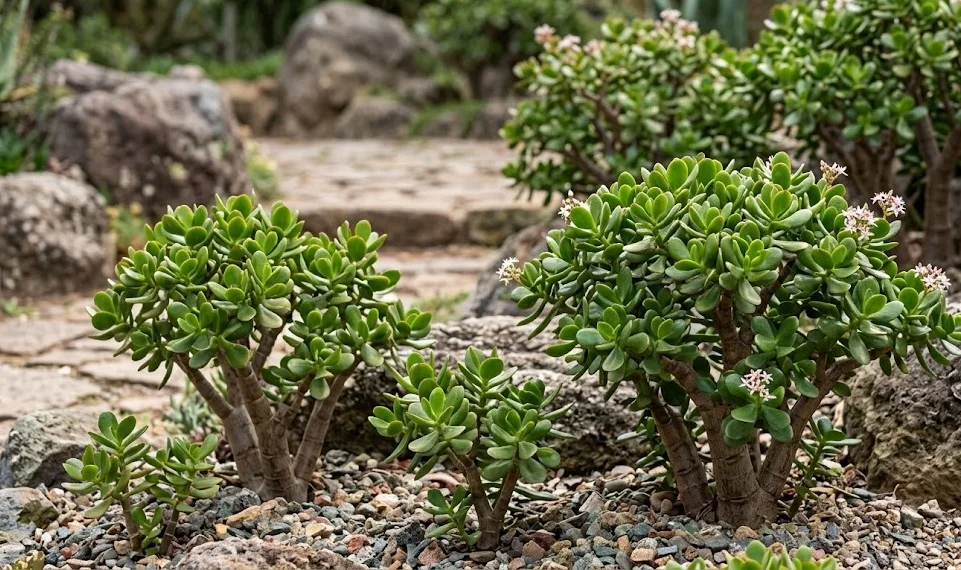

Mastering the hydration needs of this succulent species is perhaps the most important skill you will develop as a dedicated gardener and plant enthusiast. Because these plants store vast amounts of water in their fleshy leaves and thick stems, they are much more sensitive to overwatering than to drought. You should always aim to provide a deep soak followed by a period where the soil dries out completely before the next application. This cycle mimics the natural rainfall patterns of arid regions and encourages the development of a deep and resilient root system.
The frequency of your watering schedule will change significantly depending on the time of year and the atmospheric conditions in your home. During the hot summer months, the plant may require more frequent hydration as the soil evaporates moisture at a much faster rate than in winter. You should always test the soil by inserting your finger a few centimeters deep to ensure that the top layers are bone dry. If the soil feels even slightly damp to the touch, it is better to wait another few days before reaching for the watering can.
Water quality is a factor that many professional growers consider when they want to maintain the pristine appearance of the succulent foliage. Tap water often contains minerals and salts that can accumulate in the soil over time and leave white spots on the surface of the leaves. If possible, you should use filtered water or rainwater to hydrate your plants and keep the soil chemistry balanced and healthy. Occasionally flushing the soil with pure water can help wash away any salt buildup that might interfere with nutrient uptake and root health.
Fertilizing your succulent is necessary to provide the essential minerals that are slowly depleted from the potting medium over several growing seasons. You should use a balanced, water-soluble fertilizer specifically formulated for cacti and succulents to avoid providing too much nitrogen. Applying the nutrients at half the recommended strength once a month during the spring and summer will provide plenty of energy for new growth. You must avoid fertilizing the plant during its dormant period in the winter as this can lead to weak and leggy development.
Symptoms of improper hydration are usually easy to spot if you know what to look for when inspecting your plant on a regular basis. If the leaves appear shriveled or wrinkled, the plant is likely using up its stored water and requires a thorough soaking to recover. Conversely, soft and translucent leaves that fall off easily are a clear indicator that the plant has received too much water and the roots may be at risk. Adjusting your habits immediately upon seeing these signs will help the plant regain its turgor and remain healthy throughout the year.
Over-fertilization can be just as damaging as overwatering if you apply too many nutrients too frequently to the sensitive root system of the plant. Excessive nitrogen can cause the stems to grow too quickly, making them soft and prone to breaking under the weight of the heavy foliage. You might also notice a white crust forming on the surface of the soil which indicates a toxic accumulation of fertilizer salts. If this occurs, you should stop fertilizing immediately and leach the soil with plenty of clean water to restore a healthy balance.