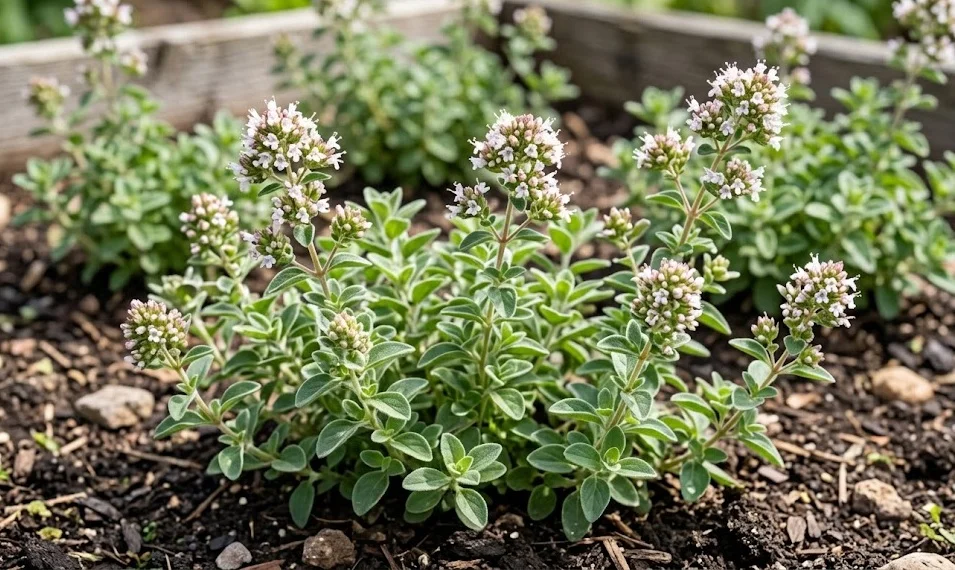

Understanding the precise light requirements is paramount for maximizing the agricultural yield of this crop. Marjoram is classified biologically as an obligate heliophyte, meaning it demands intense solar radiation. Sunlight directly drives the complex photosynthetic processes that generate vital cellular energy. Without adequate illumination, the plant simply cannot produce its signature aromatic essential oils.
The duration of daily light exposure directly influences the overall vegetative biomass production. Commercial operations must select geographic locations that offer exceptionally long summer days. A minimum of six to eight hours of direct, unobstructed sunlight is the baseline requirement. Less exposure results in unacceptably thin, elongated stems with sparse leaf development.
Light intensity is equally as important as the total duration of exposure. The intense Mediterranean sun of its native habitat forces the plant to develop thick, protective cuticles. This stress response directly triggers the synthesis and accumulation of valuable volatile compounds. Shade-grown specimens invariably lack the pungent culinary aroma demanded by the commercial market.
The quality of the light spectrum also plays a subtle but critical physiological role. Ultraviolet radiation, specifically, is known to enhance the production of defensive secondary metabolites. These natural chemicals include the very flavor profiles that make the herb desirable. Greenhouse glass often filters out these crucial ultraviolet wavelengths, altering the final product quality.
Field placement and orientation
Strategic field planning maximizes the capture of available solar radiation throughout the season. Agricultural rows should ideally be oriented in a north-to-south directional pattern. This layout ensures that both sides of the vegetative canopy receive equal sunlight distribution. East-to-west orientations often result in one side of the row permanently shading the other.
More articles on this topic
Analyzing the topography of the designated farmland prevents detrimental shading issues. Planting in deep valleys or close to tall, dense forest lines restricts essential morning sunlight. South-facing slopes provide the absolute best solar exposure for growing heat-loving herbs. These elevated positions also naturally facilitate the rapid drainage of cold, stagnant air.
Plant spacing within the rows must be calculated to prevent mutual shading. Overcrowded fields force the individual plants to compete aggressively for overhead light. This competition triggers vertical elongation, making the stems physically weak and prone to lodging. Proper agronomic spacing guarantees that light penetrates deep into the lower canopy levels.
Weed control is an essential component of maintaining optimal light availability for the crop. Tall, aggressive weed species quickly overtop the slow-growing herb seedlings. This unwanted biological canopy blocks vital radiation and drastically stunts the development of the commercial crop. Meticulous field sanitation ensures the valuable plants retain exclusive access to the sunlight.
Artificial lighting in greenhouses
Cultivating the crop indoors requires sophisticated technological solutions to replicate natural sunlight. Traditional greenhouse structures alone often fail to provide sufficient light intensity during winter months. Supplemental lighting systems are mandatory for maintaining year-round commercial production schedules. The financial investment in proper illumination heavily dictates the ultimate profitability of the operation.
More articles on this topic
High-pressure sodium lamps have historically been the industry standard for agricultural supplemental lighting. They emit a highly intense, specialized spectrum that strongly promotes robust vegetative growth. However, they are incredibly inefficient and generate massive amounts of wasteful heat energy. This excess thermal output requires expensive cooling infrastructure within the enclosed greenhouse facility.
Modern light-emitting diode technology has completely revolutionized commercial indoor herb cultivation. These advanced fixtures consume significantly less electricity while delivering precisely targeted light wavelengths. Growers can mathematically formulate specific light recipes to manipulate plant morphology and oil production. The low heat output allows the diodes to be placed extremely close to the vegetative canopy.
Managing the photoperiod with automated timing systems optimizes electrical usage and plant health. The lights are synchronized to extend the natural day length to a consistent fourteen hours. Complete darkness during the night is equally necessary for proper cellular respiration processes. Disrupting this circadian rhythm severely stresses the biological systems of the developing crop.
Managing excessive radiation
While the plant thrives in intense sunlight, absolute extreme conditions can cause physiological damage. Unprecedented heat waves coupled with blinding radiation sometimes overwhelm the plant’s natural cooling mechanisms. This results in the sudden bleaching of chlorophyll, a condition scientifically known as photoinhibition. The damaged leaves permanently lose their photosynthetic capacity and aesthetic market value.
Deploying specialized agricultural shade cloth provides immediate relief during these severe environmental anomalies. A light thirty percent shade rating is usually sufficient to mitigate catastrophic tissue damage. The temporary covering diffuses the intense radiation without halting the vital photosynthetic process completely. It must be promptly removed once the extreme weather system finally dissipates.
Maintaining optimal soil moisture is critical when the crop is subjected to extreme solar radiation. Water facilitates the transpiration process, which naturally cools the internal temperature of the leaves. A dehydrated plant loses this ability and rapidly succumbs to severe thermal damage. Precise irrigation scheduling acts as a crucial buffer against intense summer sunlight.
Reflective mulches can be strategically utilized to manipulate light distribution within the canopy. These specialized materials bounce lost solar radiation back up onto the undersides of the leaves. This technique significantly increases the total photosynthetic efficiency of the entire agricultural field. It represents an advanced agronomic strategy for maximizing yield in high-intensity production systems.