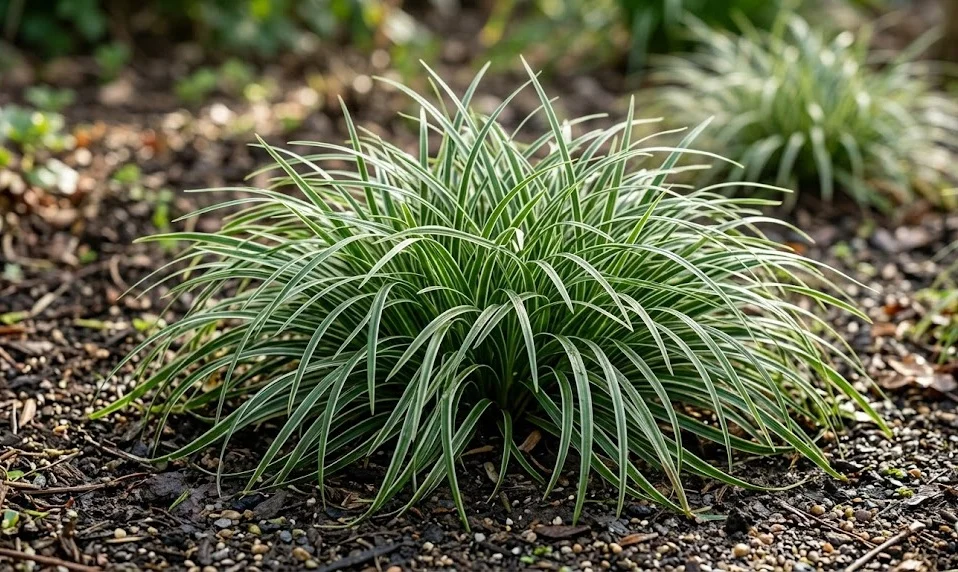

Caring for japanese sedge requires a deep understanding of its natural habitat to ensure the plant thrives in a garden setting. This evergreen perennial is prized for its arching foliage and its ability to provide texture in shaded areas of the landscape. To maintain its health, you must focus on providing consistent moisture and protecting the leaves from extreme environmental stress. Successful cultivation results in a dense, lush mound that serves as an excellent groundcover or accent plant.
The soil environment plays a crucial role in the overall vitality and growth rate of this ornamental grass species. It prefers a medium that is rich in organic matter and capable of retaining moisture without becoming waterlogged or stagnant. You should aim for a slightly acidic to neutral pH level to facilitate optimal nutrient uptake through the root system. Incorporating well-rotted compost into the planting area will significantly improve the soil structure and support long-term development.
Ambient humidity and temperature are secondary factors that influence how the plant manages its internal water reserves during the summer. In regions with very dry air, the leaf tips may turn brown if the transpiration rate exceeds the roots’ ability to supply water. You can mitigate this by placing the sedge in a sheltered location where wind exposure is minimized and moisture stays in the air. Grouping several plants together creates a microclimate that helps maintain the necessary humidity levels for the foliage.
Routine observations are necessary to identify any signs of stress or nutrient deficiencies before they become significant problems. You should regularly check the center of the clump for accumulated debris or dead leaves that might restrict airflow and encourage rot. Clearing away fallen tree leaves from the crown of the plant ensures that the sedge continues to receive light and air during the autumn. A proactive approach to maintenance will keep the plant looking pristine and minimize the need for heavy interventions later on.
Soil quality and preparation for sedge
Creating the perfect foundation starts with analyzing the existing soil profile in your garden beds to identify potential limitations. Japanese sedge performs best in loamy soils that offer a balance between drainage capabilities and moisture retention. If your garden has heavy clay, you must amend it with grit or organic fibers to prevent the roots from suffocating in wet conditions. Sandy soils, on the other hand, require more frequent additions of humus to hold onto water and essential minerals.
More articles on this topic
The preparation process should involve loosening the ground to a depth of at least thirty centimeters to allow for easy root penetration. You can mix in leaf mold or aged bark nuggets to create the airy texture that these sedges naturally prefer in woodland environments. It is beneficial to prepare the site several weeks before planting to allow the soil to settle and the organic amendments to integrate. Testing the soil for basic nutrient levels can provide a roadmap for any specific mineral adjustments needed for healthy growth.
Microbial activity within the soil is an often overlooked component of successful sedge maintenance and long-term health. Healthy soil is teeming with beneficial fungi and bacteria that assist the plant in breaking down organic matter into usable forms. You should avoid using harsh synthetic chemicals that might disrupt this delicate subterranean ecosystem and harm the plant’s natural defenses. Mulching with organic materials not only suppresses weeds but also feeds the soil life as the mulch decomposes over time.
Proper drainage is non-negotiable because the root system is susceptible to crown rot if submerged in water for extended periods. You can observe how water moves through your chosen site after a heavy rain to ensure no pooling occurs around the plant. If the area is naturally prone to wetness, consider planting the sedge on a slight mound or a raised bed to elevate the crown. This simple adjustment protects the base of the plant while still allowing the deeper roots to access necessary moisture.
Environmental conditions and placement strategies
Selecting the right location within the garden hierarchy is the most important decision for the longevity of your japanese sedge. It naturally inhabits the forest floor, which means it is adapted to filtered light and protection from the drying effects of the midday sun. You should look for spots under the canopy of deciduous trees or on the north side of buildings where the light is consistent but soft. Placing the plant in a high-traffic area might lead to physical damage to the delicate leaf blades over time.
More articles on this topic
Air circulation is vital for preventing the buildup of moisture on the leaves, which can lead to fungal issues in humid climates. While the plant likes humidity, stagnant air can create a breeding ground for pathogens that attack the foliage and stems. You should space the plants far enough apart to allow a gentle breeze to pass through the lower sections of the clump. Proper spacing also ensures that each individual mound has enough room to expand without competing too intensely for resources.
Temperature fluctuations can impact the evergreen nature of the plant, especially during unseasonably warm winters or sudden late frosts. The sedge is quite hardy, but extreme shifts can cause the edges of the variegated varieties to lose some of their ornamental appeal. You should choose a site that offers some protection from cold, drying winter winds that can “burn” the foliage. A north-facing slope or a sheltered courtyard often provides the stable temperature range that the plant needs to stay green.
Integration with other woodland plants can create a visually appealing and ecologically sound community in your backyard. Consider pairing the sedge with ferns, hostas, or hellebores, as these species share similar requirements for shade and moisture. This communal planting strategy helps regulate soil temperature and keeps the ground shaded, which reduces evaporation from the soil surface. Such a harmonious arrangement mimics natural ecosystems and reduces the overall maintenance burden for the gardener.
Seasonal maintenance routines for optimal health
As spring arrives, the plant begins a new growth cycle, making this the ideal time to assess the condition of the previous year’s foliage. You should inspect the leaves for any winter damage or discoloration that might have occurred during the colder months. Gently removing any dead blades by hand or with clean shears will make room for the fresh, green shoots to emerge. This early season cleanup prevents old material from harboring pests that could damage the new growth as it develops.
During the height of summer, the primary goal shifts to maintaining a consistent hydration level to combat the heat and dry air. You should monitor the soil daily during heatwaves to ensure the moisture levels do not drop below the plant’s tolerance threshold. Applying a fresh layer of mulch in early summer helps to keep the roots cool and significantly reduces the frequency of necessary watering. This is also a good time to check for any signs of leaf scorch, which indicates that the plant might need more shade.
Autumn brings a slowing of growth, and the focus turns toward preparing the sedge for the upcoming dormant or semi-dormant period. You should reduce any supplemental feeding as the days shorten to allow the plant’s tissues to harden off naturally. Clearing away fallen debris from the base of the plant is essential to prevent rot during the damp autumn rains. This period is also suitable for a final check of the plant’s structure to ensure it is robust enough to handle potential snow loads.
Winter care for japanese sedge is relatively minimal, provided the plant is situated in a sheltered location with proper drainage. If you live in an area with heavy snowfall, you might need to gently brush away excessive accumulation to prevent the clump from splaying open. The plant remains evergreen, so it still provides visual interest during the bleakest months of the year. Avoid walking near the root zone when the ground is frozen to prevent soil compaction, which could damage the roots when the thaw begins.
Advanced techniques for aesthetic management
Maintaining the perfect shape of the mound requires occasional intervention to keep the plant from becoming too loose or leggy. You can encourage a denser growth habit by ensuring the plant receives the upper limit of its light tolerance without being scorched. If a clump starts to look thin in the center, it may be a sign that the plant is aging or needs more nutrients. In such cases, a light top-dressing of organic matter can stimulate new growth from the crown and fill in the gaps.
Variegated forms of japanese sedge require special attention to maintain their distinct color patterns and prevent them from reverting to solid green. You should keep an eye out for any “sport” stems that lose their white or gold margins and grow entirely green. These reverted shoots are often more vigorous and can eventually take over the entire plant if they are not removed promptly. Cutting these green stems out at the base preserves the ornamental value and genetic integrity of the variegated cultivar.
The texture of the foliage can be enhanced by managing the surrounding environment to prevent dust and debris from dulling the leaves. In urban gardens, a gentle spray of water every few weeks can wash away pollutants and restore the natural shine of the sedge. This practice also helps to hydrate the leaves directly, which is beneficial during periods of low atmospheric humidity. Clean leaves are more efficient at photosynthesis, leading to a healthier and more resilient plant overall.
Long-term management involves recognizing when a plant has reached its maximum size and needs to be managed for space. You can maintain a specific diameter for your sedge by carefully trimming the outer edges of the root ball every few years. This prevents the plant from encroaching on neighboring species while maintaining its characteristic rounded form. Proper management ensures that the sedge remains a focal point of the garden design rather than becoming an overgrown nuisance.
Understanding the growth cycle and development
The growth of japanese sedge is relatively slow compared to other ornamental grasses, which makes it a predictable element in garden design. It expands through short rhizomes, forming a tight clump that gradually increases in diameter over several growing seasons. You will notice that the most significant growth occurs during the cool transitions of spring and early autumn. Understanding this pace helps you plan your garden layout without worrying about the plant becoming invasive or spreading uncontrollably.
Flowering in this species is subtle and often goes unnoticed by the casual observer, occurring in late spring or early summer. The flowers appear as small, brownish spikes that rise slightly above or hide within the foliage, depending on the specific variety. While the flowers are not the main attraction, they indicate that the plant is mature and healthy enough to reproduce. You do not need to deadhead these flowers, as they do not detract from the plant’s appearance and rarely produce viable nuisance seedlings.
The root system of the sedge is fibrous and relatively shallow, which makes it sensitive to surface conditions like drought or compaction. You should be careful when weeding around the base of the plant to avoid disturbing these delicate roots. Because the roots are dense, they are excellent at holding soil in place and preventing erosion on gentle slopes. This functional aspect of the plant’s growth makes it a valuable tool for stabilizing garden areas with loose or uneven terrain.
As the plant matures, the older leaves at the bottom of the mound will naturally die off as they are replaced by new growth. This is a normal part of the plant’s life cycle and should not be confused with disease or poor health. You can see this process as the plant’s way of recycling nutrients and making room for younger, more efficient foliage. Periodically thinning out these older blades helps keep the plant looking fresh and allows for better light penetration to the crown.
Ecological benefits and garden integration
Japanese sedge provides important habitat and cover for beneficial garden organisms, including small insects and soil-dwelling creatures. The dense foliage creates a protected environment where predatory insects can hide during the day before hunting pests at night. By including this plant in your garden, you are contributing to a more diverse and balanced local ecosystem. It acts as a bridge between the managed garden and the wilder elements of the landscape, supporting biodiversity on a small scale.
The plant is generally resistant to deer and rabbits, making it an excellent choice for gardens where these animals are a common problem. Its tough, fibrous leaves are not palatable to most grazing mammals, so it remains untouched while other plants might be eaten. You can use it as a protective border around more sensitive species to discourage animals from entering specific garden beds. This natural resistance reduces the need for protective fencing or chemical repellents that can detract from the garden’s beauty.
In modern sustainable landscaping, this sedge is valued for its low maintenance requirements once it has become established in the right spot. It does not require frequent mowing, heavy pruning, or intensive chemical treatments to look its best throughout the year. You can save time and resources by choosing this plant for areas where you want a permanent green presence with minimal effort. Its ability to thrive in shade also makes it a key player in reducing the “urban heat island” effect in city gardens.
Finally, the visual versatility of japanese sedge allows it to fit into many different design styles, from formal Japanese gardens to wild woodland settings. You can use its fine texture to contrast with large-leafed plants like hostas or bergenia for a dramatic effect. Its evergreen nature ensures that the garden has structure and color even during the winter months when other plants have died back. Whether used in containers or as a mass planting, it remains a reliable and elegant choice for any gardener.