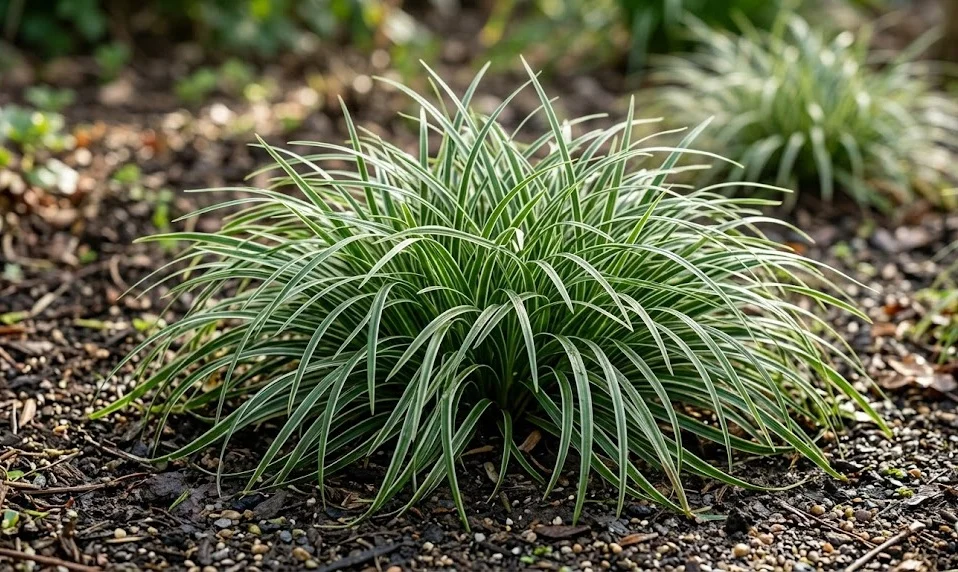

Pruning and cutting back japanese sedge is a task that often confuses gardeners because of the plant’s evergreen nature and its unique growth habit. Unlike deciduous grasses that die back to the ground every winter, this sedge maintains its foliage and requires a more delicate approach to maintenance. You do not need to perform heavy pruning every year, but a targeted cleanup is essential for keeping the plant looking fresh and healthy. Knowing when and how to intervene will ensure your sedge remains a tidy and attractive focal point in your landscape.
The main purpose of pruning this species is to remove old, damaged, or unsightly leaves that accumulate at the base of the mound over time. Because the leaves can live for several years, they eventually become tattered or discolored as they reach the end of their natural life cycle. You should focus on clearing out this “old guard” of foliage to make room for the vibrant new growth that emerges from the center of the plant. A well-pruned sedge has a much cleaner appearance and allows for better air circulation throughout the entire clump of foliage.
Timing is the most critical factor when it comes to cutting back your japanese sedge to avoid damaging the plant or ruining its aesthetic. The ideal window for pruning is in the early spring, just as the first signs of new growth begin to appear but before the new leaves have fully extended. If you wait too long, you risk cutting off the tips of the fresh shoots, which will leave them with permanent, unsightly flat edges for the rest of the season. Pruning too early in the winter is also a mistake, as the old foliage protects the crown from frost, as discussed in the overwintering chapter.
Using the right tools and techniques will make the pruning process much easier for both you and the plant. You should always use a pair of high-quality, sharp garden shears or specialized floral snips that allow for precise cuts without crushing the delicate leaf tissue. Before you start, make sure your tools are clean and sterilized to prevent the spread of any pathogens between different plants in your garden. With the right approach and a steady hand, you can maintain your japanese sedge in peak condition with only a few minutes of work each year.
Professional techniques for tidying the foliage
The most common method for pruning japanese sedge is the “comb and clip” technique, which is far less invasive than cutting the entire plant back to the ground. You can start by gently running your gloved hands through the foliage, similar to combing hair, to pull away any dead or loose brown leaves that are ready to fall. This simple action often removes a significant amount of the old material without requiring any actual cutting, reducing the stress on the plant. It also helps you see the overall structure of the mound and identify which areas need more specific attention with your shears.
More articles on this topic
For the leaves that are still attached but look unsightly, you should cut them off individually as close to the base of the plant as possible. This targeted pruning preserves the naturally arching shape of the mound while removing only the parts that detract from its beauty. You must be careful not to nick the crown of the plant or any of the emerging new shoots while you are working in the center of the clump. Taking your time with this selective approach results in a much more professional and natural-looking finish than a hasty “mowing” of the plant.
If a plant has suffered significant winter damage or has become completely overgrown and messy, you can perform a more drastic “rejuvenation prune.” In this case, you can cut the entire clump back to about five to eight centimeters above the ground in the early spring. You should only do this every few years at most, as it takes the plant some time to regrow its full, lush mound after such a heavy intervention. This technique is best reserved for older plants that have lost their shape or for varieties that have become dominated by reverted green shoots.
After you have finished pruning, it is important to clear away all the clippings and debris from the base of the plant and the surrounding soil. Leaving cut leaves on top of the mound can restrict airflow and create a damp environment that encourages the fungal diseases and pests mentioned in earlier chapters. A clean finish not only looks better but also supports the immediate health and growth of the new spring foliage. Once the cleanup is done, a light watering will help the plant recover from the minor stress of the pruning session and get it ready for the new season.
Managing growth and maintaining plant shape
Maintaining the characteristic rounded and arching shape of the japanese sedge requires a consistent but light-handed approach to maintenance throughout the year. You should avoid the common mistake of “shaving” the plant into a tight ball, as this destroys the natural elegance of the arching leaf blades. Instead, focus on maintaining the natural flow of the plant by only removing what is truly necessary for its health and appearance. A light touch is always better than an over-enthusiastic pruning session when it comes to ornamental sedges and grasses.
More articles on this topic
If your sedge is planted along a path or near other plants, you may need to occasionally trim the outer edges to keep it within its allotted space. You can do this by selectively cutting back the longest leaves at the perimeter, always making the cuts deep within the foliage so the edges are hidden. This “hidden pruning” allows you to control the size of the plant without leaving behind any obvious flat or cut surfaces that look artificial. It is a subtle way to manage the architecture of your garden while respecting the natural growth habit of the species.
Removing the flower spikes after they have finished blooming is another optional pruning task that can keep the plant looking tidy. While the flowers of japanese sedge are subtle, the dried stalks can eventually look a bit messy as they turn brown and lean out of the foliage. You can simply snip these stalks off at the base once they have lost their visual interest in the early summer. This task is purely for aesthetic reasons and does not significantly impact the health of the plant, but it does contribute to a more “manicured” look in a formal garden.
Finally, keep an eye out for any “sporting” or reversion where the variegated plant starts to produce entirely green leaves. These green shoots should be cut out as deeply as possible as soon as you notice them, as they are often more vigorous than the variegated parts. If you let them grow, they can eventually overwhelm the decorative parts of the plant and change its entire appearance. Consistent monitoring and quick action are the best ways to preserve the special qualities of your chosen japanese sedge variety for many years to come.
Long-term pruning strategy and plant health
Pruning is more than just a chore; it is a vital part of your long-term strategy for maintaining a healthy and vibrant garden. By removing old and damaged tissue, you are reducing the overall pest and disease pressure on the plant and encouraging more efficient photosynthesis. The new leaves that emerge after a proper pruning are often more robust and better able to handle the stresses of the coming summer. Think of your annual cleanup as a way to “reset” the plant and give it the best possible start for the new year of growth.
As you become more familiar with your japanese sedge, you will develop a sense of when it needs a light tidy-up versus a more significant intervention. Every plant is a bit different, and its specific location in your garden will influence how quickly it accumulates old foliage and how fast it recovers from pruning. You should use your past experiences to refine your timing and technique, making adjustments based on the weather and the plant’s performance. This personalized approach is what separates a truly expert gardener from a beginner and ensures the best results for your plants.
Remember that japanese sedge is a slow grower, so any pruning mistakes will take some time to grow out and disappear. If you accidentally cut a section too short, don’t panic; simply give the plant extra care and wait for the new growth to fill in the gap. Patience is a key virtue in the garden, and with this plant, it is often rewarded with a return to beauty and vigor. The resilience of the species means that it can handle most minor maintenance errors, provided the core of the plant remains healthy and well-cared for.
Ultimately, the goal of pruning and cutting back is to highlight the natural beauty of the japanese sedge and to support its role in your garden design. Whether you are aiming for a wild, woodland look or a more structured, formal aesthetic, a well-maintained sedge is an essential element. By following the professional techniques outlined in this chapter, you can enjoy the lush, evergreen presence of this plant in your landscape for a lifetime. Your commitment to proper care will be reflected in the health and elegance of your garden through every season.