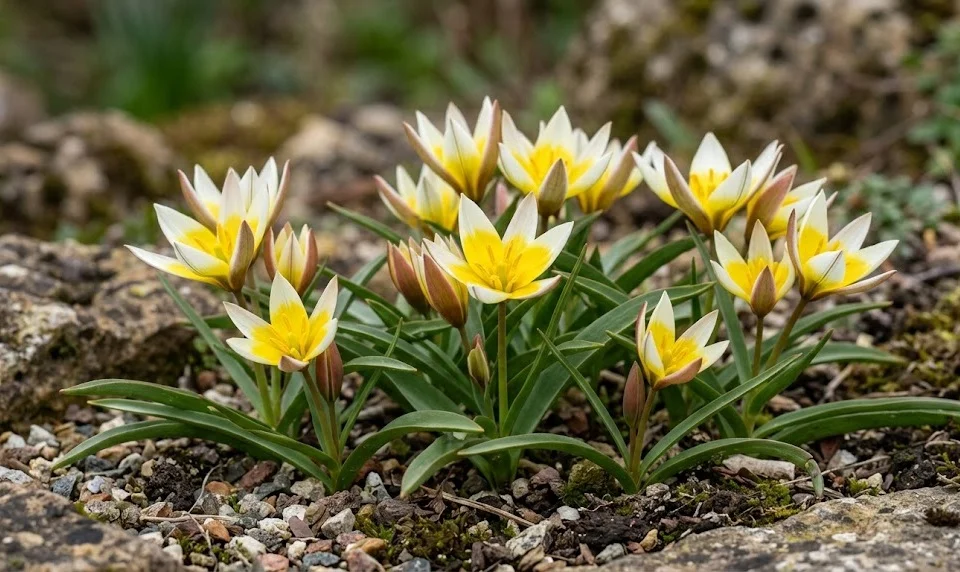

Caring for this specific species requires a deep understanding of its botanical rhythm and environmental preferences. This low-growing perennial is prized for its resilience and striking star-shaped blooms that appear in late spring. To ensure success, you must balance its need for seasonal moisture with its requirement for summer dormancy. Developing a consistent routine will allow these bulbs to thrive and naturalize effectively in your garden landscape over several years.
The overall health of the plant depends heavily on the quality of the soil and the surrounding environment. You should prioritize a well-draining substrate to prevent bulb rot, which is the most common cause of failure. While these tulips are generally hardy, they benefit from a site that mimics their native rocky habitats. Observing the growth patterns throughout the spring will help you intervene if the plant shows signs of stress or nutrient deficiency.
A professional approach to maintenance involves monitoring the local microclimate and adjusting your intervention accordingly. These plants prefer a distinct cooling period followed by a warming phase to trigger the flowering process. You should keep the area free of aggressive weeds that might compete for essential resources during the short growing season. By providing a stable foundation, you allow the bulbs to store enough energy for the subsequent year’s display.
Gardeners often find that these tulips are much more self-sufficient than the larger, highly hybridized varieties. Once they are established, they require minimal interference, making them ideal for rock gardens or border edges. You should avoid heavy foot traffic in areas where the bulbs are planted to protect the delicate emerging shoots in early spring. Long-term care focuses on maintaining soil structure and ensuring the natural life cycle is never interrupted by premature foliage removal.
Understanding the botanical nature
The botanical structure of this plant is designed for efficiency and survival in variable climates. Its leaves are typically narrow and lance-shaped, forming a low rosette that captures sunlight effectively. You will notice that the flowers open wide in the sun and close during cloudy weather or at night. This movement is a natural adaptation to protect the reproductive organs and conserve internal moisture levels.
More articles on this topic
The root system is relatively shallow but robust enough to anchor the plant in stony or sandy soils. During the active growth phase, the roots are busy absorbing minerals and water to support the rapid development of the flower stalk. You should be careful when cultivating the soil around the plants to avoid damaging these vital structures. A healthy root system is the primary defense against environmental stressors like sudden heatwaves or late frosts.
The flowering period is usually brief but intense, offering a high concentration of visual interest. Each bulb can produce multiple blooms, which distinguishes it from many other species in the genus. You should appreciate this prolific blooming habit by placing them in clusters for a more dramatic effect. Understanding that the plant focuses its energy on seed production after blooming is key to managing its lifecycle.
The dormancy phase is perhaps the most critical part of the plant’s annual cycle. After the foliage dies back, the bulb enters a state of rest where it undergoes internal chemical changes. You should respect this period by allowing the soil to dry out significantly, as excess moisture now can lead to fungal infections. This resting period is when the embryonic flower for the next season begins to form deep within the bulb.
Microclimate and site selection
Choosing the right location involves assessing the drainage and sun exposure of various garden zones. These tulips thrive in positions that receive ample sunlight during the spring months when they are most active. You should look for south-facing slopes or elevated garden beds that naturally shed excess rainwater. The proximity to stones or gravel can provide beneficial heat retention that aids in the development of the bulbs.
More articles on this topic
The surrounding vegetation also plays a role in defining the microclimate for your tulips. You should avoid planting them under heavy evergreens that might create a damp and overly shaded environment. Competition for root space can be a challenge, so choosing slow-growing or non-aggressive neighbors is a professional strategy. A well-chosen site reduces the need for chemical interventions and promotes natural health.
Wind exposure is another factor you must consider when designing your garden layout. While the plants are low-growing and sturdy, extreme winds can dry out the foliage prematurely or damage the delicate petals. You can use low hedges or decorative rocks to create a slight buffer against the prevailing winds. A sheltered yet open position provides the ideal balance of air circulation and physical protection.
Soil temperature fluctuations can influence the timing of emergence and the duration of the bloom. You should aim for a site that warms up early in the spring but stays relatively cool and dry during the summer months. Heavy clay soils can be modified with organic matter or grit to improve their thermal and drainage properties. Selecting the perfect spot is a long-term investment in the longevity of your floral display.
Seasonal maintenance tasks
Spring marks the beginning of the most intensive care period for any serious gardener. You should start by clearing away any winter debris or heavy mulch that might obstruct the emerging shoots. As soon as the first leaves appear, monitor the soil moisture to ensure the plants aren’t suffering from early drought. This is also the best time to check for any signs of pest activity that might have overwintered in the soil.
During the blooming phase, your primary task is to enjoy the display while keeping an eye on the weather. If an unexpected late frost is forecasted, you might want to provide a temporary cover to protect the open flowers. You should avoid using heavy overhead irrigation during this time, as it can weigh down the stems and spot the petals. Keeping the area clean and tidy helps prevent the spread of pathogens that thrive in decaying organic matter.
As the flowers begin to fade, the focus shifts from aesthetics to energy conservation. You should remove the spent flower heads to prevent the plant from wasting resources on seed production. However, it is vital that you leave the green foliage untouched until it has completely yellowed and withered. This process allows the nutrients from the leaves to be pulled back down into the bulb for future use.
Summer maintenance is largely about neglect, which can be difficult for some enthusiastic gardeners. You should reduce watering significantly and avoid any major soil disturbances in the area. Keeping the site clear of weeds is still necessary, but you should do this by hand to avoid damaging the dormant bulbs. Mark the location of the bulbs so you don’t accidentally dig them up when planting summer annuals nearby.
Naturalizing in the garden landscape
One of the greatest strengths of this species is its ability to naturalize and spread over time. You should encourage this process by leaving the bulbs undisturbed for several years in the same location. Unlike many hybrid tulips that dwindle after the first year, these will often form larger and more impressive clumps. This naturalization creates a more organic and established look in the garden.
The spread occurs both through the production of offset bulbs and, in some cases, through self-seeding. You should observe how the colony expands and decide if you want to allow it to fill a larger area. If the clumps become too dense and flowering begins to decrease, you may need to intervene by lifting and dividing them. This is a task that should only be performed during the dormant season every few years.
To facilitate naturalization, you should ensure the soil remains fertile but not overly enriched with nitrogen. A balanced approach to soil health supports the steady growth of the bulb population without encouraging excessive leaf growth. You can also assist the process by gently spreading the offset bulbs to new areas of the garden. This technique allows you to create a cohesive theme across different garden beds.
The visual impact of a naturalized drift of these tulips is far superior to formal rows. You should plant them in irregular groups to mimic the way they would grow in their natural mountain habitats. This approach not only looks better but also makes maintenance easier as the plants support each other. Over time, these small bulbs will become a reliable and beloved feature of your spring garden.
Companion planting strategies
Selecting the right companions is essential for creating a visually appealing and healthy garden environment. You should choose plants that have similar cultural requirements, such as well-draining soil and plenty of sun. Low-growing alpines and Mediterranean herbs like thyme or oregano make excellent partners for these tulips. These companions provide a lush green backdrop for the bright yellow and white flowers.
The timing of the companion plants’ growth cycles is a crucial consideration for professional designers. You should look for perennials that emerge slightly later in the spring to cover the fading tulip foliage. Hostas or ferns might be too moisture-loving, but drought-tolerant groundcovers work perfectly. This transition ensures that the garden bed remains attractive even after the tulips have entered dormancy.
Avoid planting aggressive spreaders that might smother the small tulip rosettes during the early spring. You should also be careful with plants that require frequent summer watering, as this can lead to bulb rot. Small ornamental grasses can provide a beautiful structural contrast without competing too heavily for resources. A thoughtful combination of textures and colors will enhance the overall aesthetic of your landscape.
Using companion plants can also help with pest management and soil health. Some aromatic plants are known to deter common garden pests that might otherwise target your bulbs. You should experiment with different combinations to see what works best in your specific garden conditions. A diverse planting scheme creates a more resilient ecosystem that supports all the plants involved.
Handling dormant periods
The dormant phase is often misunderstood by novice gardeners, yet it is vital for the plant’s survival. You should recognize that the disappearance of the foliage is a natural and necessary part of the cycle. During this time, the bulb is not truly “sleeping” but is undergoing complex physiological developments. Protecting the site from excessive moisture is your most important task during the hot summer months.
If your garden receives heavy summer rainfall, you might need to take extra precautions to keep the bulbs dry. You should ensure that the drainage in the bed is top-notch or consider using a physical barrier if necessary. Some experts even recommend lifting the bulbs in extremely wet climates, though this is rarely needed for this hardy species. Most of the time, simply avoiding irrigation in that specific zone is sufficient.
You should avoid applying thick layers of organic mulch during the dormancy period as it can trap moisture against the soil surface. A light covering of gravel or stone chips is a better alternative for suppressing weeds while allowing for evaporation. Keeping the soil temperature stable is beneficial, and stones can help act as a thermal buffer. This professional touch ensures that the bulbs remain healthy and firm throughout the summer.
As autumn approaches, the bulbs will slowly begin to reactivate their root systems in response to cooling temperatures. You should refrain from fertilizing or watering heavily until the spring growth truly begins. The cycle of rest and activity is finely tuned to the changing seasons, and your job is to facilitate this transition. By respecting the dormancy, you guarantee a vigorous return of flowers in the following spring.
Longevity and rejuvenation
With proper care, these bulbs can live and flower for many decades in the same garden. You should monitor the vigor of the plants every year to assess if they need any special attention. If you notice a decline in the number or size of the flowers, it may be a sign that the bulbs are overcrowded. Rejuvenation is a simple process that involves lifting and replanting the bulbs with more space.
The best time for rejuvenation is in late summer or early autumn when the bulbs are fully dormant but before new roots start. You should carefully dig up the entire clump and separate the individual bulbs by hand. Discard any bulbs that feel soft, damaged, or show signs of disease to maintain the health of the collection. Replant the healthiest bulbs immediately into refreshed soil to give them a head start for the next season.
Adding a small amount of bone meal or a specialized bulb fertilizer during the replanting process can provide a boost. You should not over-fertilize, as this species is adapted to relatively lean soils in the wild. Ensuring that the new planting site has excellent structure will help the rejuvenated bulbs establish quickly. This proactive management keeps your garden looking its best and preserves the genetics of your plants.
Sharing excess bulbs with fellow gardeners is a great way to spread the joy of this beautiful species. You will find that these tulips are always in demand because of their reliability and charm. By maintaining a healthy and productive population, you contribute to the diversity of your local gardening community. Regular rejuvenation ensures that your garden remains a vibrant and evolving space for years to come.