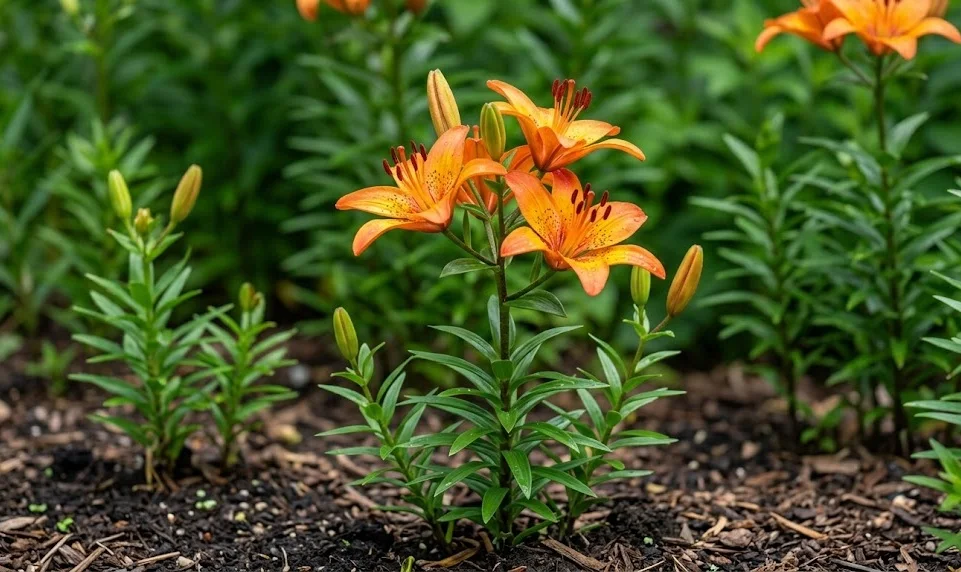

Maintaining these vibrant perennials requires a consistent understanding of their physiological needs throughout the growing season. While they are known for being hardier than many other lily varieties, they still demand specific environmental conditions to thrive and produce their signature upright blooms. Gardeners should prioritize soil structure and drainage above all else to prevent bulb rot and ensure a healthy root system. A successful care routine involves monitoring the plant from the first sprouts in spring until the foliage dies back in the late autumn.
Fundamental requirements for healthy growth
The soil environment serves as the foundation for any successful lily cultivation project in a home garden or professional nursery. These plants prefer a medium that is rich in organic matter but allows water to flow through freely without pooling around the sensitive bulb scales. You should aim for a slightly acidic to neutral pH level to ensure that essential micronutrients remain available for uptake. Adding composted leaf mold or well-rotted manure before the growing season begins can significantly improve the physical structure of the earth.
Air circulation is another critical factor that many hobbyists overlook when arranging their garden beds for maximum aesthetic impact. Dense planting can lead to stagnant air pockets which encourage the development of fungal pathogens on the leaves and stems. Space the plants sufficiently so that the breeze can dry the foliage quickly after a rainstorm or morning dew. This proactive approach reduces the need for chemical interventions and promotes a much more resilient plant population over several years.
Temperature management plays a vital role in the timing of the flowering stage for these beautiful ornamental specimens. Asiatic hybrids generally prefer cool root zones even though their upper portions enjoy the warmth of the sun. Applying a thick layer of organic mulch around the base of the stems helps to insulate the soil from extreme temperature fluctuations. This practice also helps to retain a consistent level of moisture which is necessary for the steady development of the flower buds.
Regular observation is the best tool an experienced gardener has when dealing with the complexities of lily maintenance. Walking through the garden daily allows you to spot the early signs of stress or nutrient deficiencies before they become severe. Check the undersides of the leaves for any discoloration or tiny intruders that might compromise the structural integrity of the plant. Early detection usually means that simple organic solutions will be enough to resolve the issue without affecting the bloom quality.
More articles on this topic
Seasonal management strategies
As spring arrives, the emergence of the first green shoots signals the beginning of an intensive period of biological activity. You must protect these tender tips from late frosts which can damage the developing flower tissues inside the stem. If a cold snap is predicted, covering the emerging plants with a light frost cloth can save the entire season’s floral display. This initial phase is also the perfect time to clear away any debris left over from the winter months.
During the height of summer, the primary focus shifts toward maintaining the hydration levels and supporting the heavy flower heads. The tall stems of some varieties may require external support if they are located in a particularly windy part of the yard. Using bamboo stakes or specialized metal hoops can prevent the stems from snapping under the weight of the massive blooms. Always tie the stems loosely to allow for natural movement and thickness expansion as the plant matures further.
Late summer marks the end of the blooming period, but the work of the gardener is far from over at this stage. Once the petals have fallen, the plant begins the crucial process of storing energy back into the bulb for next year. You should never cut the green stems down immediately after flowering because the leaves are still performing photosynthesis. This energy transfer is what determines the size and quantity of the flowers you will see in the following spring season.
When autumn approaches and the foliage begins to turn yellow or brown, the plant is entering its natural state of dormancy. This is the signal that the energy transfer is complete and the bulbs are ready for the cold resting period ahead. You can now safely remove the dead stems by cutting them close to the ground level to maintain a clean garden appearance. Removing this old plant material also helps to eliminate potential overwintering sites for pests and various fungal spores.
More articles on this topic
Soil quality and drainage optimization
The physical composition of the soil determines how effectively the roots can access oxygen and moisture simultaneously. Asiatic lilies struggle in heavy clay soils that trap water and sufflate the delicate root hairs during wet periods. To improve heavy soil, you can incorporate coarse sand or fine gravel into the planting site to create better drainage channels. Raising the planting beds slightly above the natural grade is another effective way to ensure that excess water drains away quickly.
Microbial life within the soil is a key component of a professional-grade gardening strategy for long-term lily health. Using organic amendments like seaweed extract or humic acid can stimulate the beneficial bacteria that help break down nutrients. These microorganisms also play a protective role by outcompeting harmful fungi that might otherwise attack the bulb tissue. Healthy soil life leads to a more robust immune system for the plant, making it less susceptible to environmental stresses.
The chemical balance of the soil should be tested periodically to ensure that the pH level remains within the optimal range. If the soil becomes too alkaline, the lily may suffer from iron chlorosis, which shows up as yellowing leaves with green veins. Correcting the pH with elemental sulfur or acidic peat can restore the plant’s ability to absorb vital minerals from the ground. Maintaining this balance is a continuous process that requires attention every few years as the soil naturally changes.
Compaction is a silent enemy of lilies, especially in areas with high foot traffic or heavy rainfall that packs the earth down. You should avoid stepping directly on the planting beds to prevent squeezing the air pockets out of the soil structure. If the soil has become compacted over time, gently aerating the surface with a hand fork can help restore the necessary oxygen levels. Be careful not to go too deep, as you do not want to accidentally damage the bulbs or the shallow roots.
General maintenance and support
Cleaning the garden tools used for lily care is a professional habit that prevents the cross-contamination of various plant diseases. Always wipe your shears or trowels with a disinfecting solution after working on a specific group of plants in the yard. This simple step is especially important if you have noticed any suspicious spots or wilting in parts of your garden. A clean environment is the first line of defense against the spread of viral infections that can ruin a collection.
Staking is often a necessity for the taller cultivars of Asiatic lilies that produce a high volume of heavy flowers. The best time to install supports is early in the season when the plants are still short to avoid piercing the bulbs. As the stem grows, you can continue to secure it to the stake using soft twine or plastic clips that do not bite into the tissue. Proper support ensures that the floral display remains upright and visible even after a heavy summer rainstorm.
Mulching provides multiple benefits beyond just regulating the temperature of the soil near the root zone of the plant. A thick layer of bark chips or straw suppresses the growth of weeds that would otherwise compete for nutrients and water. It also prevents soil from splashing up onto the leaves during rain, which is a common way for soil-borne diseases to spread. As the mulch decomposes over time, it slowly adds valuable organic matter back into the top layer of the earth.
Removing spent flowers, a process known as deadheading, is an essential task for maintaining the aesthetic value of the garden bed. This practice prevents the plant from wasting precious energy on seed production, which is usually not desired for hybrid varieties. Use sharp, clean scissors to snip off the fading flower heads just below the base of the bloom. Be careful to leave as much of the green stem and foliage intact as possible to maximize photosynthesis.
Growth monitoring and health checks
Keeping a garden journal can be an invaluable tool for tracking the progress and health of your Asiatic lily collection. Note down the dates of emergence, the start of flowering, and any specific issues you encountered during the growing season. This information allows you to identify patterns and adjust your care routine based on the specific microclimate of your property. Over time, you will develop a deep understanding of what makes your particular plants thrive in their environment.
Visual inspections should be conducted at least once a week to check for any deviations from the normal growth pattern. Look for signs of stunted growth, distorted leaves, or unusual color changes that might indicate a underlying physiological problem. If you notice a single plant looking significantly worse than its neighbors, it may be best to isolate it. Removing a sickly plant early can often save the rest of the colony from a similar fate.
Root health is difficult to monitor directly, but the top growth usually gives a clear indication of what is happening underground. A plant that wilts despite having adequate moisture may be suffering from root rot or a pest attacking the bulb directly. In such cases, it might be necessary to carefully dig up the bulb to inspect its condition and firmness. A healthy bulb should be heavy, firm, and free from any soft spots or foul-smelling areas of decay.
The density of the foliage is a good indicator of the overall vigor and nutritional status of the lily plant. Deep green, lush leaves suggest that the plant is receiving adequate nitrogen and has access to enough sunlight for energy production. If the foliage appears thin or pale, it might be time to evaluate your fertilization schedule or the amount of light reaching the site. Adjusting these factors can often lead to a visible improvement in the plant’s appearance within a few weeks.
Supporting tall stems and heavy blooms
The structural integrity of a lily stem is quite impressive, but the sheer weight of a dozen large blooms can be taxing. Selecting the right type of support depends on the aesthetic of your garden and the specific height of the variety. Discreet dark green stakes often blend in with the foliage, providing strength without distracting from the beauty of the flowers. Ensure the stake is driven deep enough into the ground to remain stable during the peak of the summer.
Wind protection is another aspect of physical care that can prevent catastrophic damage during the height of the blooming season. If your garden is in an exposed location, planting lilies near a fence or a structural hedge can provide a natural windbreak. Alternatively, planting them in clusters allows the stems to provide some mutual support against the force of the breeze. Always consider the prevailing wind direction when planning the layout of your ornamental garden beds.
The method of tying the plant to its support is just as important as the support structure itself to prevent damage. Use a “figure-eight” knot which provides a cushion between the stem and the stake, preventing direct friction and rubbing. This allows the stem to move slightly and thicken naturally without being strangled by the tying material as it grows. Check the ties periodically throughout the summer to ensure they are not becoming too tight or cutting into the plant.
High-density plantings can sometimes create their own structural issues if the lilies are competing too intensely for the available light. If a plant is forced to “stretch” too far to reach the sun, the stem will become thin, weak, and more prone to bending. Proper spacing from the beginning ensures that each plant develops a sturdy, thick stem capable of holding its own weight. If you notice leggy growth, it is a sign that the light levels are insufficient or the plants are too crowded.
Post-bloom care and bulb preparation
Once the final petal has fallen, the Asiatic lily enters its most important phase for long-term survival and future flowering. This period of post-bloom growth is when the plant focuses all its biological resources on enlarging the underground bulb. You should continue to provide water and light nutrients during this time to support the green foliage as it works. The health of the leaves during these late summer weeks directly correlates to the size of next year’s flowers.
Avoid the temptation to cut back the stems to make the garden look “tidy” while the leaves are still vibrant and green. Cutting the plant back too early effectively starves the bulb, leading to smaller flowers or even a total failure to bloom next year. If the yellowing leaves bother you, consider planting late-summer perennials nearby that can grow up and hide the fading lily foliage. This allows the natural cycle to complete without compromising the visual appeal of your overall landscape design.
As the stems eventually turn brown and become brittle, you can finally remove them from the garden bed with minimal effort. At this point, the connection between the stem and the bulb has naturally withered, making it easy to pull or cut them away. Dispose of this material in a compost pile if it is healthy, or discard it if you suspect any disease or pest presence. Clearing the ground helps to prepare the site for any winter mulching or additional planting you have planned.
The final stage of the yearly care cycle involves a quick assessment of whether the bulbs have become too crowded over time. If you noticed a decrease in flower size or a very high density of stems, it might be time for division in the autumn. Digging and separating the bulbs every three to four years keeps the colony vigorous and provides you with new plants for other areas. This concludes the annual maintenance cycle, leaving the bulbs ready to rest through the cold winter months.