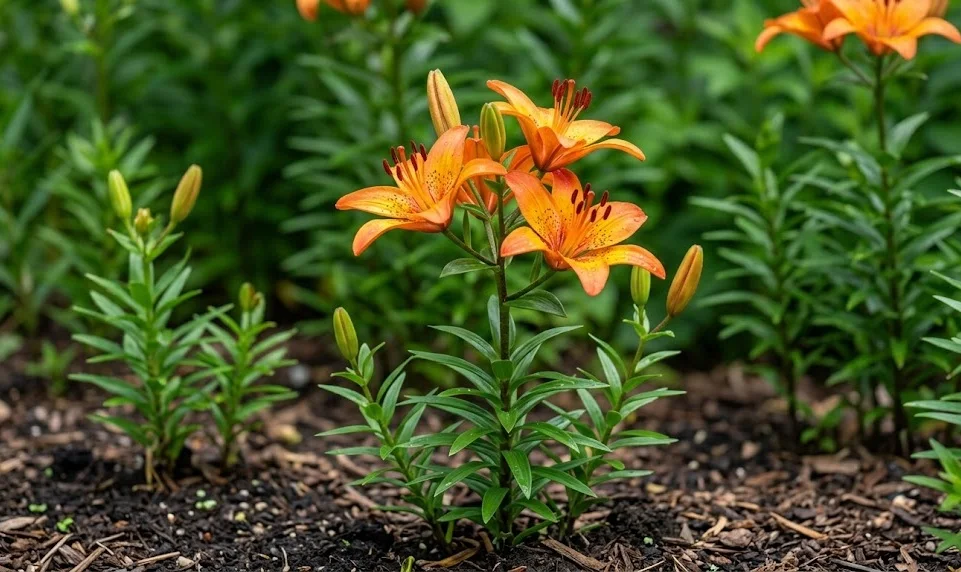

Preparing these perennials for the cold dormant period is a critical phase of their lifecycle that determines the success of the following year’s growth. While Asiatic hybrids are generally quite cold-hardy, the fluctuating temperatures and moisture levels of winter can still pose a threat to the dormant bulbs. A successful overwintering strategy involves more than just leaving the plants in the ground; it requires a systematic approach to soil insulation and bulb protection. Understanding how to manage the transition from active growth to total dormancy ensures that your lilies survive even the harshest winter conditions.
Pre-winter preparation and sanitation
The process of overwintering begins long before the first frost arrives, starting with the gradual reduction of water and nutrients in late summer. As the days grow shorter, the lily naturally begins to move its energy from the leaves down into the underground storage scales of the bulb. You should allow the foliage to turn completely yellow or brown before you consider removing it from the garden bed. This natural senescence is a vital biological signal that the energy transfer is complete and the bulb is ready for its winter rest.
Sanitation is a key part of the preparation process, as old plant material can harbor diseases and pests through the cold months. Once the stems are dry and brittle, cut them off about an inch above the ground using clean, sharp pruning shears. Do not pull the stems out, as this can create an opening in the bulb where rot-causing fungi can enter during the wet winter weather. Dispose of the old stems and leaves in the trash if you noticed any signs of disease during the summer to prevent re-infection in the spring.
Clearing away any weeds and fallen debris from the soil surface around the lilies is another important step in pre-winter maintenance. Weeds can provide a sheltered spot for pests like slugs or lily beetles to hide during the winter, giving them a head start when spring arrives. A clean soil surface also makes it easier to apply a fresh layer of mulch and monitor for any signs of rodent activity. This simple act of “putting the garden to bed” creates a much safer environment for the dormant bulbs to survive the coming months.
Checking the soil drainage one last time before the ground freezes is a professional habit that can save many bulbs from rotting. If you noticed that water tended to pool in the lily bed during autumn rains, you might need to take action to divert excess moisture. Digging small drainage channels or adding a bit more grit to the surface can help prevent the soil from becoming a soggy, anaerobic mess. Remember that cold and wet is a much more dangerous combination for lily bulbs than cold and dry.
More articles on this topic
Mulching for insulation and protection
Mulching is the most effective way to protect Asiatic lily bulbs from the damaging effects of the “freeze-thaw” cycle that occurs in many climates. When the ground freezes and thaws repeatedly, it can actually “heave” the bulbs out of the soil, exposing them to the killing air temperatures. A thick layer of organic mulch acts as an insulator, keeping the soil temperature more stable throughout the winter months. This protection is especially important for bulbs that were planted relatively shallowly or in areas with very little snow cover.
The best materials for winter mulching include straw, shredded bark, evergreen boughs, or even a thick layer of dry leaves. You should aim for a layer that is at least four to six inches deep to provide adequate thermal protection for the bulbs buried below. Wait until the ground has actually started to freeze before applying the mulch to avoid trapping too much moisture and heat against the soil. This timing also ensures that rodents have already found their winter homes elsewhere and won’t be tempted to nest in your cozy mulch.
In very cold regions, some gardeners use specialized materials like “frost blankets” or even extra soil mounded over the lily sites for added security. These methods provide an extra layer of air space that traps heat escaping from the deeper layers of the earth. If you use evergreen boughs, they have the added benefit of catching and holding snow, which is one of nature’s best insulators for dormant plants. The goal is to keep the bulbs in a state of consistent, deep dormancy until the true spring weather arrives.
As spring approaches and the danger of extreme cold passes, you will need to gradually remove the winter mulch to allow the soil to warm up. If you leave the thick insulation on too long, it can delay the emergence of the new shoots or cause them to become blanched and weak. Start by removing the top couple of inches and then wait a week or two before clearing the rest as the first sprouts appear. This gradual transition helps the plant wake up naturally and reduces the risk of shocking the tender new tissues with sudden exposure.
More articles on this topic
Container wintering and specialized care
Asiatic lilies grown in pots or decorative containers require a different overwintering strategy because their roots are much more exposed to the cold air. The soil in a container can freeze much more quickly and deeply than the ground, which can be fatal for even the hardiest lily varieties. One option is to move the entire container into an unheated garage, shed, or basement where the temperature stays above freezing but remains cool. This prevents the “deep freeze” while still allowing the bulbs to complete their necessary chilling period for future flowering.
If you must leave your containers outside, you can try huddling them together in a sheltered spot against the foundation of a building for extra warmth. Wrapping the pots in burlap, bubble wrap, or specialized insulating jackets can also provide a few degrees of protection against the worst of the winter wind. Another professional trick is to bury the entire pot in the ground in a vegetable garden or empty flower bed for the winter. This uses the earth’s natural thermal mass to protect the containerized bulbs just as if they were planted directly in the landscape.
Moisture management is a tricky aspect of overwintering lilies in containers, as they should be kept slightly damp but never wet. Because the plants are dormant, they are not using any water, but the soil can still dry out completely in a drafty garage or during a dry winter. Check the pots once a month and add a very small amount of water if the soil feels bone-dry to the touch. Avoid over-watering at all costs, as a pot of wet, frozen soil is a certain recipe for bulb rot and failure in the spring.
When the first signs of spring appear, move the containers back out into the light and gradually resume a regular watering and fertilization schedule. If the lilies have been in the same pot for more than two years, this is also an excellent time to refresh the soil or move them to a larger vessel. Starting the season with fresh, nutrient-rich potting mix gives the bulbs the energy boost they need to produce another spectacular display. Container gardening with lilies is very rewarding, provided you take these extra steps to bridge the gap between growing seasons.
Lifting and storing bulbs in harsh climates
In regions with extremely cold winters or very heavy, wet soils, some gardeners prefer to “lift” their Asiatic lily bulbs and store them indoors. This process involves carefully digging up the bulbs in late autumn after the foliage has died back and the energy has returned to the bulb. Shake off the excess soil and inspect each bulb for any signs of damage or disease before moving them to a preparation area. Lifting the bulbs also provides a perfect opportunity to divide large clumps and expand your collection for the following year.
Proper storage is crucial to keep the bulbs healthy and viable until they can be replanted in the spring. Because lily bulbs lack a protective skin, they must be stored in a medium that prevents them from drying out, such as damp peat moss, vermiculite, or sawdust. Place the bulbs in a perforated plastic bag or a cardboard box to allow for some air circulation while maintaining a humid environment. The ideal storage temperature is between 35 and 40 degrees Fahrenheit, which is typical for a refrigerator crisper drawer or a very cool cellar.
Check the stored bulbs periodically throughout the winter to ensure they are not showing signs of mold or becoming shriveled from lack of moisture. If you see mold, remove the affected bulbs immediately and increase the air circulation in your storage container. If the bulbs feel light or look wrinkled, lightly mist the storage medium with water to restore the necessary humidity. This active monitoring ensures that you have healthy, plump bulbs ready to go back into the ground as soon as the soil can be worked in the spring.
When replanting lifted bulbs, you may find that they start to grow a little earlier than those left in the ground due to the slightly warmer storage conditions. Be prepared to protect these early sprouts from late spring frosts if you plant them out before the weather has completely stabilized. Many gardeners find that lifting and storing bulbs is a bit more work, but the peace of mind it provides in difficult climates is well worth the effort. This method ensures that your most prized or delicate varieties survive to bloom another day.