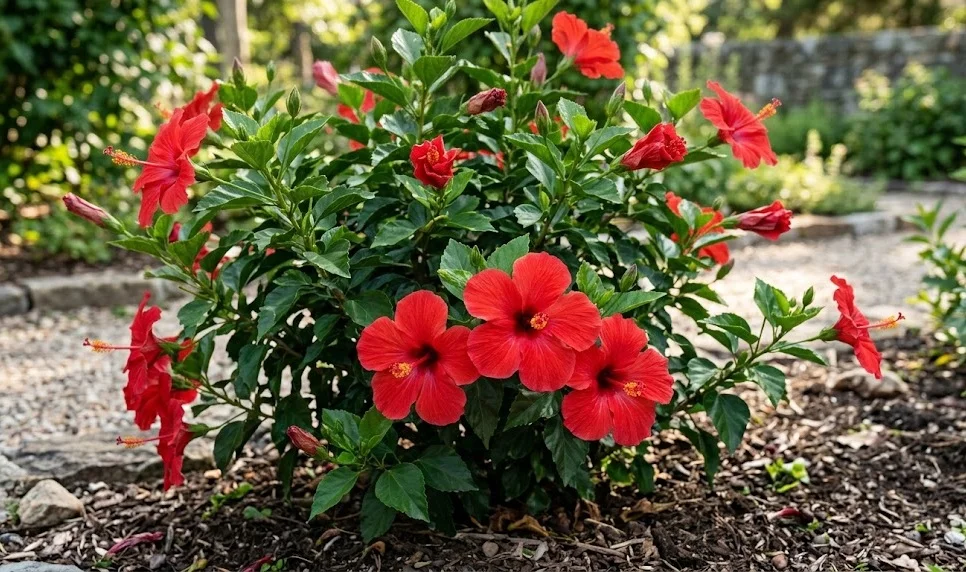

The Chinese hibiscus is essentially a living solar engine, requiring a massive amount of light energy to produce its characteristic large blossoms and dark green foliage. In its natural environment, this species is exposed to intense, direct sunlight for the majority of the day, and replicating this intensity is the primary challenge for the home gardener. Without sufficient light, the plant will quickly become legy, stop flowering, and lose its overall vitality. This article explores the nuances of light management required to satisfy the high-energy demands of this spectacular tropical shrub.
Understanding ideal light intensity
To achieve professional-level results, you must provide your Chinese hibiscus with at least six to eight hours of direct sunlight every day. This high level of energy is what fuels the complex biochemical processes required to create the pigments in the flowers and the thickness of the leaves. If a hibiscus is grown in a shaded or low-light area, it will focus its energy on stretching toward the nearest light source, resulting in long, weak stems. This “stretching” behavior is a clear physiological signal that the plant is starving for more light energy.
The quality of the light is just as important as the quantity, with full-spectrum sunlight being the gold standard for healthy growth. Natural sunlight provides the specific wavelengths of blue and red light that the plant needs for photosynthesis and the regulation of its flowering cycles. If you are growing your hibiscus indoors, a south-facing window is the most valuable asset you can have, as it offers the longest duration of intense light. You should avoid north-facing windows entirely, as the light there is usually too weak to support anything more than basic survival for this species.
While the hibiscus loves the sun, there is a limit to how much heat it can handle if it is not properly acclimated or hydrated. In extremely hot climates, the intense midday sun can occasionally cause “leaf scorch,” where the edges of the leaves turn brown and crisp. This is usually more a function of the heat and dehydration than the light itself, as the plant cannot move water fast enough to cool its tissues. Providing a small amount of filtered shade during the hottest two hours of a mid-summer afternoon can be beneficial in these extreme conditions.
For those who do not have access to bright natural light, professional-grade grow lights are an excellent and increasingly popular alternative. Modern LED grow lights can be tuned to provide the exact spectrum of light the hibiscus needs without generating the excessive heat of older bulb types. You should place these lights approximately thirty to fifty centimeters above the top of the canopy and keep them on for twelve to fourteen hours a day. This consistent and reliable light source can allow you to grow a thriving hibiscus even in the dimmest corner of your home.
More articles on this topic
Seasonal light adjustments
The light requirements of the Chinese hibiscus change significantly as the seasons progress and the angle of the sun shifts throughout the year. During the long days of spring and summer, the plant is in its maximum growth phase and can utilize every bit of light it can get. This is the period when you should ensure that no other plants or structures are casting shadows on your hibiscus for extended periods. Even a few hours of shade from a nearby tree can noticeably reduce the number of flower buds the plant produces during the peak season.
As autumn approaches and the days grow shorter, the plant naturally begins to slow its production in response to the diminishing light energy. You may notice that the interval between blooms becomes longer and the new leaves are slightly smaller than those produced in the summer. This is a normal biological response, and you should not try to force more growth by increasing water or fertilizer during this time. Instead, focus on keeping the plant in the brightest possible spot to help it store as much energy as possible before the winter months.
In the winter, managing light becomes a game of maximizing the meager resources available from the low winter sun. Since the sun sits lower in the sky, you may need to move your hibiscus to a different window or relocate it within the room to capture the best rays. It is also important to keep the windows clean, as even a thin layer of dust on the glass can reduce the amount of light reaching the plant by as much as twenty percent. Regularly rotating the plant is even more critical in the winter to ensure that all sides receive what little light is available.
The return of spring brings a rapid increase in light intensity that acts as a wake-up call for the dormant or semi-dormant plant. You should be careful not to move a plant that has been in a dim winter room directly into the harsh spring sun without a period of transition. The sudden increase in ultraviolet radiation can burn the leaves that were grown under lower light conditions, leading to white or silver patches on the foliage. A gradual reintroduction to higher light levels over ten to fourteen days will allow the plant to strengthen its tissues safely.
More articles on this topic
Observing signs of light stress
A well-informed gardener uses the physical appearance of the hibiscus as a living light meter to determine if the environment is correct. A plant that is receiving the perfect amount of light will have dense, compact growth and leaves that are a rich, dark emerald green. The internodes—the space between the leaves on the stem—will be short, and the plant will feel sturdy and well-proportioned. If your hibiscus looks like a lush, healthy bush rather than a spindly vine, you have likely found the ideal lighting balance.
Conversely, a lack of light produces several distinct symptoms that are easy to recognize if you know what to look for. Beyond the leggy growth already mentioned, the leaves may turn a paler shade of green or even yellow as the plant struggles to maintain its chlorophyll. Most significantly, a light-starved hibiscus will simply stop producing flower buds, or the few buds that do form will turn yellow and fall off before opening. If your plant is healthy in every other way but refuses to bloom, the problem is almost certainly an insufficient light level.
Too much light, or more accurately, light that is too sudden, can also cause visible stress to the Chinese hibiscus. Leaf scorch appears as bleached or browned areas on the parts of the leaves most directly exposed to the sun, often with a crisp, dry texture. In some cases, the leaves may even take on a reddish or purplish tint, which is the plant’s way of creating a “sunscreen” of anthocyanin pigments. If you see these signs, it is a signal to provide a bit more protection during the peak intensity of the day or to slow down your acclimation process.
The orientation of the leaves can also tell you about the plant’s relationship with the available light throughout the day. A hibiscus will often “track” the sun, angling its leaves to capture the maximum surface area of the rays during the morning and evening. During the hottest part of the day, you might see the leaves tilt more vertically to reduce the direct impact of the sun and conserve moisture. Watching these subtle movements will give you a deeper appreciation for the complex biological relationship between this tropical beauty and the light that sustains it.