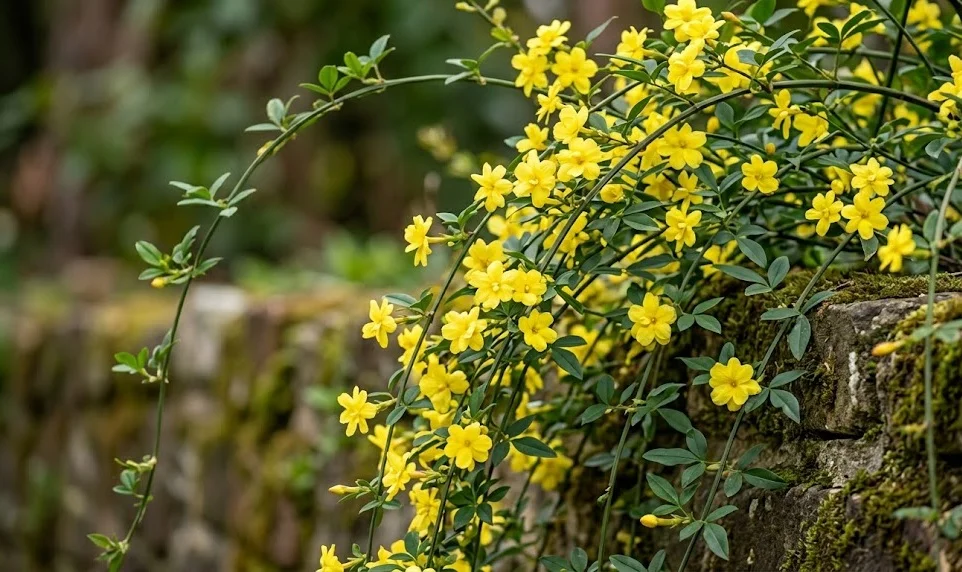

The Chinese jasmine is generally a robust and resilient species, but it is not entirely immune to the pressures of pests and diseases. Maintaining a healthy specimen requires a watchful eye to detect the early signs of infestation or infection before they become systemic problems. Environmental conditions often play a significant role in determining which issues are most likely to arise in a given season. By understanding the common threats and employing integrated management strategies, you can protect your plants and ensure their continued vitality.
Identifying and managing fungal pathogens
Fungal diseases are most prevalent during periods of high humidity and poor air circulation, which can trap moisture within the dense foliage. Powdery mildew is one of the most common issues, appearing as a white, flour-like dusting on the leaves and young stems. This fungus can stunt the growth of new shoots and cause the leaves to become distorted or drop prematurely. Improving the airflow around the plant by thinning out dense branches is a key preventative measure.
Leaf spot is another fungal pathogen that can affect Chinese jasmine, manifesting as brown or black spots surrounded by a yellow halo. These spots can eventually merge, causing entire leaves to die and fall off the plant. It is often spread by water splashing from the soil onto the foliage, so mulching and careful watering are important. Removing and destroying infected leaves as soon as they are spotted can help stop the spread to healthy tissue.
Root rot, caused by various soil-borne fungi like Phytophthora, is a serious condition that usually stems from overwatering or poor drainage. The symptoms include a general wilting of the plant that does not improve after watering, accompanied by a darkening of the stems at the soil line. If the roots are inspected, they will appear mushy and brown rather than firm and white. Once root rot has taken hold, it is very difficult to treat, making prevention through proper soil management absolutely vital.
For severe fungal outbreaks, professional-grade fungicides may be necessary to protect the remaining healthy tissue. Sulfur-based or copper-based sprays are often effective for surface fungi like mildew and leaf spot. However, these should always be used as a secondary measure after cultural practices have been optimized. Always follow the instructions on the product label to ensure the safety of the plant and the surrounding environment.
More articles on this topic
Controlling common insect pests
Aphids are frequent visitors to the succulent new growth of Chinese jasmine in the spring and early summer. These small, soft-bodied insects suck the sap from the stems, causing the leaves to curl and turn yellow. They also excrete a sticky substance called honeydew, which can attract ants and promote the growth of black sooty mold. A strong blast of water from a garden hose is often enough to dislodge light infestations and keep the population under control.
Scale insects can also be a problem, often appearing as small, immobile bumps on the woody stems and the undersides of leaves. These pests are protected by a hard outer shell, which makes them more difficult to kill with standard contact insecticides. They slowly drain the energy from the plant, leading to a general decline in vigor and reduced flowering. Horticultural oils or systemic insecticides are usually the most effective tools for managing scale on mature jasmines.
Spider mites are a common threat during hot, dry weather when the plant may already be under some environmental stress. These microscopic pests live on the undersides of the leaves and create very fine webbing that is visible upon close inspection. Their feeding creates a stippled, bronzed appearance on the foliage, and severe infestations can lead to complete defoliation. Increasing the local humidity around the plant can help deter these pests, as they thrive in arid conditions.
Whiteflies are another sap-sucking insect that can congregate in large numbers on the undersides of jasmine leaves. When the plant is disturbed, they take flight in a cloud of tiny white specks, making them very easy to identify. Like aphids, they produce honeydew and can weaken the plant over time if their numbers are not managed. Yellow sticky traps and the introduction of natural predators like ladybugs are effective organic ways to keep whitefly populations in check.
More articles on this topic
Recognizing signs of environmental stress
Sometimes the problems observed on a Chinese jasmine are not caused by pests or pathogens but by environmental stressors. Leaf scorch occurs when the plant is exposed to intense direct sunlight or drying winds without adequate soil moisture. The margins of the leaves turn brown and brittle, giving the plant a ragged and unhealthy appearance. Providing temporary shade or increasing the watering frequency during heatwaves can help mitigate this type of damage.
Nutrient imbalances can also mimic the symptoms of disease, as seen in the yellowing of leaves due to high soil pH. Chlorosis can make the plant look sickly and weak, but it is purely a physiological response to the lack of available iron or magnesium. Before reaching for a pesticide, it is always wise to consider whether the plant’s basic needs for light, water, and food are being met. Professional diagnosis often begins with an assessment of the growing site.
Cold damage is a significant concern for Chinese jasmine in regions where temperatures drop below its tolerance threshold. Frost can cause the tips of the branches to turn black and die back, and severe freezes may split the bark on older wood. This damage often becomes apparent in the spring when the plant fails to push out new growth in certain areas. Pruning away the dead material once the danger of frost has passed allows the plant to focus its energy on healthy recovery.
Edema is a less common condition that happens when the plant takes up more water through the roots than it can transpire through the leaves. This results in small, blister-like bumps on the undersides of the foliage that eventually turn corky and brown. It is usually a sign of high soil moisture combined with cool, cloudy weather. Adjusting the watering schedule to match the current weather conditions is the only way to prevent this physiological disorder.
Integrated pest management and organic solutions
Integrated Pest Management (IPM) is a professional strategy that combines cultural, biological, and chemical tools to manage plant health. The first line of defense is always maintaining a strong, healthy plant through proper watering, feeding, and pruning. A vigorous jasmine is naturally more resistant to attacks and can recover more quickly if an issue does occur. Regular inspections are the foundation of this approach, allowing for early detection and minimal intervention.
Encouraging natural enemies of pests is a highly effective and environmentally friendly way to keep the garden in balance. Planting a variety of flowering species nearby attracts predatory insects like lacewings, hoverflies, and parasitic wasps. These “garden allies” can often keep aphid and whitefly populations below the threshold where they cause significant damage. Avoiding broad-spectrum pesticides helps protect these beneficial insects and maintains the natural ecosystem of the agricultural space.
Organic sprays, such as neem oil or insecticidal soap, offer a safer alternative to heavy synthetic chemicals for managing common pests. These products work by disrupting the breathing or feeding of the insects without leaving toxic residues in the soil. They are particularly effective against soft-bodied pests like aphids and mites when applied thoroughly to both sides of the leaves. For best results, apply these treatments in the cool of the evening to avoid leaf burn from the sun.
Physical methods of control should not be underestimated, especially in smaller garden settings. Simply pruning out a heavily infested branch or hand-picking larger pests can often solve a localized problem before it spreads. Keeping the area under the plant clean of fallen debris removes the overwintering sites for many pests and pathogens. This hands-on, proactive care is the hallmark of a professional who values the long-term health of the jasmine.
Proactive health management strategies
Developing a routine for plant health monitoring is the most effective way to ensure the longevity of your Chinese jasmine. Dedicating a few minutes each week to look closely at the foliage, stems, and base of the plant can save hours of work later. Look for changes in color, unusual spots, or the presence of sticky residues that indicate pest activity. This habit allows you to intervene while a problem is still small and manageable.
Sanitation is a critical but often overlooked component of disease prevention in the garden. Always clean your pruning shears with alcohol or a bleach solution between uses to prevent spreading pathogens from one plant to another. When removing diseased material, place it directly into a bag and dispose of it away from the garden rather than composting it. This prevents fungal spores or insect eggs from surviving and re-infecting your jasmine in the next season.
Using high-quality, disease-resistant nursery stock is the first step in a successful planting project. When purchasing new plants, inspect them thoroughly for any signs of stress or existing pest issues. Starting with a healthy, clean specimen significantly reduces the likelihood of future problems. It is also a good idea to quarantine new plants for a week or two before integrating them into your main landscape.
Education and staying informed about local pest trends can also help you prepare for potential threats. Local agricultural extensions or gardening groups often provide alerts when certain diseases or insects are particularly active in the region. Being aware of these cycles allows you to take preventative action, such as applying a protective spray or adjusting your watering routine. Professional gardening is as much about knowledge and anticipation as it is about physical labor.