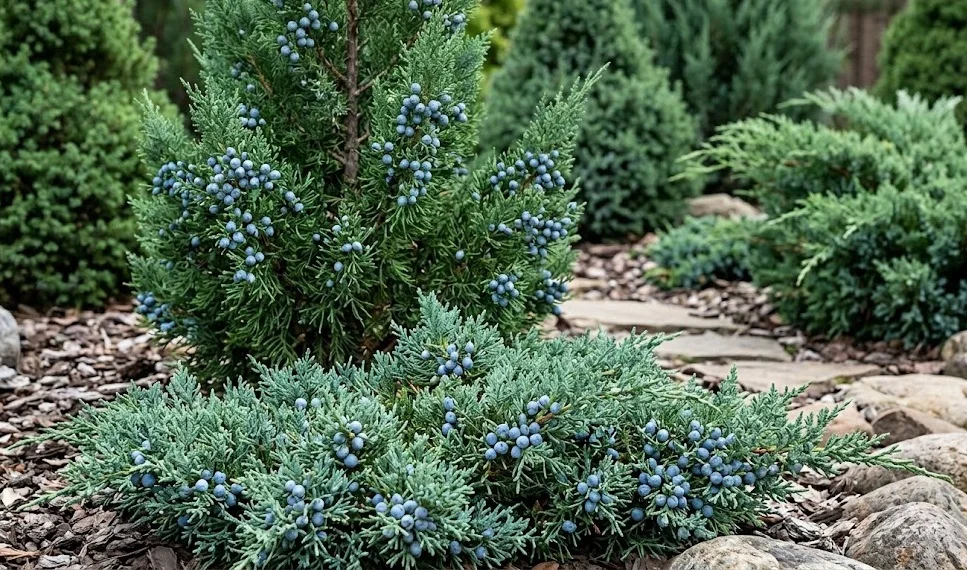

Properly managing the hydration and nutritional intake of a Chinese juniper is a cornerstone of professional arboriculture that directly impacts the plant’s longevity and appearance. While these evergreens are often praised for their drought tolerance once established, their needs during the formative years are specific and demanding. Water serves as the primary vehicle for nutrient transport within the plant, making it impossible to discuss fertilization without also considering the irrigation schedule. Striking the right balance ensures that the juniper remains resilient against environmental stressors and maintains its iconic dense foliage.
The philosophy of watering a Chinese juniper should be one of “deep and infrequent” rather than “shallow and often.” This approach encourages the root system to dive deeper into the soil profile in search of moisture, which creates a much more stable and drought-resistant plant. Frequent light sprinklings only moisten the surface, leading to a shallow root system that is highly vulnerable to heat and cold. Understanding the soil’s water-holding capacity in your specific garden is the first step toward creating an effective irrigation plan.
Fertilization, on the other hand, should be viewed as a supplement to a healthy soil ecosystem rather than a primary food source. A common mistake is to over-fertilize in an attempt to force rapid growth, which can lead to weak, leggy branches and increased attractiveness to certain pests. The goal is to provide a balanced array of macro and micronutrients that support steady, robust development. By paying close attention to the timing and dosage of your applications, you can enhance the plant’s natural beauty without compromising its structural health.
Seasonal changes significantly dictate the metabolic demands of the Chinese juniper, and your watering and feeding routines must adapt accordingly. During the spring growth flush, the plant requires more resources, whereas in the dormant winter months, its needs are minimal. Monitoring the weather patterns and the plant’s physical responses will help you fine-tune these interventions. Professional-grade care is always about responding to the living organism rather than following a rigid, unchanging calendar.
Establishing an irrigation routine for young plants
For a newly planted Chinese juniper, the first two growing seasons are a critical period where water management can make or break the plant’s success. The limited root system of a transplant cannot yet tap into deep soil moisture, making it entirely dependent on the water you provide. You should check the moisture level of the root ball and the surrounding soil every few days using your finger or a moisture meter. The goal is to keep the soil consistently damp like a wrung-out sponge, but never saturated to the point of being muddy.
More articles on this topic
During periods of high heat or dry winds, young junipers can lose moisture through their needles faster than their roots can replenish it. In these conditions, you may need to water more frequently, perhaps even every other day, depending on the drainage of your soil. Applying water slowly at the base of the plant allows it to soak in deeply rather than running off the surface. A soaker hose or a drip irrigation system is often the most efficient way to deliver water directly to the root zone without wasting a drop.
As the plant begins to show signs of new growth, you can slowly start to increase the interval between watering sessions. This transition is essential for “training” the roots to seek out moisture further away from the main trunk. Always observe the tips of the needles; if they start to look dull or slightly yellow, it may be a sign that the plant is under water stress. However, be careful not to overcompensate, as the symptoms of overwatering and underwatering can often look remarkably similar to the untrained eye.
Once the juniper has spent two full years in the ground, it is generally considered established and its water requirements will decrease significantly. At this stage, it can typically survive on natural rainfall alone, except during extended periods of drought. Providing a deep soaking once every two to three weeks during a dry summer is usually sufficient to keep an established juniper healthy. This gradual reduction in dependency is a sign that your planting and early care efforts have been successful.
Nutritional requirements and mineral balance
The Chinese juniper is not a heavy feeder, but it does require a steady supply of essential elements to maintain its physiological functions. Nitrogen is the most important macronutrient for these evergreens, as it drives the production of chlorophyll and the growth of new needles. However, too much nitrogen can lead to soft, succulent growth that is easily damaged by frost or insects. A balanced fertilizer with a slightly higher first number, such as a 10-8-8 or a 12-6-6 NPK ratio, is often ideal for general maintenance.
More articles on this topic
Phosphorus and potassium play supporting but vital roles in root development and overall plant hardiness. Phosphorus helps the plant transfer energy and supports the building of strong cell walls, which is crucial during the early establishment phase. Potassium acts as a regulator for many internal processes, including water movement and enzyme activation, which improves the plant’s ability to withstand environmental stress. Ensuring these elements are present in the soil helps the juniper remain vibrant and structurally sound throughout its life.
Micronutrients like iron, magnesium, and manganese are needed in much smaller quantities but are no less important for the plant’s health. Iron deficiency is a common issue in alkaline soils, often manifesting as interveinal chlorosis, where the needles turn yellow while the veins stay green. If your soil pH is high, you may need to apply chelated minerals or use an acidifying fertilizer to make these nutrients available to the plant. A soil test is the only reliable way to determine if your juniper is suffering from a specific mineral imbalance.
The form of the fertilizer also matters, with slow-release granular products generally being preferred over liquid spikes for long-term health. Granular fertilizers break down slowly over several months, providing a consistent “trickle” of nutrients that matches the plant’s natural growth rate. This prevents the nutrient spikes and dips that can stress the plant and lead to inconsistent growth patterns. Applying the fertilizer evenly across the entire root zone, rather than just at the base, ensures that all parts of the root system can access the nourishment.
Strategic timing for fertilizer applications
The timing of your fertilizer application is just as critical as the type of product you choose to use. The best time to feed a Chinese juniper is in the early spring, just as the buds begin to swell and the new growth cycle starts. This provides the plant with the necessary fuel to produce a vigorous flush of foliage that will harden off before the heat of summer. A single application of a high-quality, slow-release fertilizer in the spring is often all a healthy juniper needs for the entire year.
A second, much lighter application can sometimes be beneficial in the early autumn to support root growth before the ground freezes. However, you must be extremely careful not to apply nitrogen-rich fertilizers too late in the season. Late-season nitrogen can stimulate a flush of new growth that does not have enough time to “harden off” or mature before the first frost. This tender growth is easily killed by sub-zero temperatures, which can leave the plant looking ragged and open to infection in the spring.
In very poor soils or for plants that are struggling to recover from damage, you might consider splitting the spring dose into two smaller applications. This ensures a more consistent supply of nutrients during the peak growing months of May and June. For container-grown junipers, the rules change slightly as nutrients are leached out of the pots much more quickly by frequent watering. These plants usually require a weak liquid feed every few weeks or a specialized slow-release product designed for container use.
Always remember to water the plant thoroughly both before and after applying granular fertilizer to prevent root burn. Watering before ensures the plant is hydrated and less likely to absorb concentrated salts too quickly, while watering after helps to move the nutrients into the soil. Avoid fertilizing during the dormant winter months, as the plant’s roots are not actively taking up nutrients and the excess minerals can wash away into the groundwater. By following these timing guidelines, you maximize the efficiency of your fertilization program.
Identifying and correcting nutrient-related issues
A professional gardener must be able to read the visual cues of a Chinese juniper to diagnose nutritional or water-related problems. Yellowing of the older, interior needles is often a natural part of the plant’s aging process and is usually not a cause for concern. However, if the new growth at the tips is yellow or stunted, it usually indicates a deficiency in nitrogen or a micronutrient like iron. Addressing these issues early with a targeted supplement can quickly restore the plant’s health and color.
Browning of the needle tips can be a sign of “fertilizer burn,” which occurs when too much salt accumulates in the soil. This often happens if the fertilizer was applied too heavily or if the soil was too dry at the time of application. If you suspect this has happened, the best remedy is to “flush” the soil by watering deeply and repeatedly over several days to wash away the excess salts. Moving forward, always follow the manufacturer’s instructions for dosage to avoid repeating the mistake.
Water-related issues often mimic nutrient deficiencies, making it important to check soil moisture before reaching for the fertilizer bag. A plant that is chronically overwatered will often have soft, drooping needles and may eventually turn a dull, gray-green color as the roots begin to rot. Conversely, a drought-stressed juniper will feel brittle to the touch and the needles may take on a bronze or brown appearance starting from the tips. Always use a holistic approach to diagnosis, considering both the environmental conditions and the maintenance history.
Correcting long-term soil issues often requires more than just adding chemical fertilizers; it involves improving the soil structure itself. Adding organic mulch or a thin layer of high-quality compost can enhance the soil’s natural ability to hold onto nutrients and moisture. Over time, this biological approach creates a self-sustaining environment where the Chinese juniper can flourish with minimal human intervention. Healthy soil is the best insurance policy against the most common watering and fertilization pitfalls.
Environmental influences on water and nutrient uptake
The local climate and microclimate of your garden significantly influence how a Chinese juniper uses water and nutrients. In regions with high humidity, the plant transpires more slowly, meaning it may need less frequent watering but could be more prone to fungal issues. In arid or windy locations, the rate of evaporation is much higher, necessitating a more rigorous irrigation schedule to keep the needles hydrated. You should adjust your care routine based on the specific conditions of your site rather than a general guide.
Soil texture also plays a massive role in nutrient availability and water retention. Sandy soils drain very quickly and are often “hungry,” as nutrients leach out with every rainstorm, requiring more frequent fertilization. Heavy clay soils hold onto water and nutrients for much longer, which can be a benefit but also carries a high risk of root suffocation if not managed carefully. Understanding your soil type allows you to customize the delivery of resources to match the plant’s actual uptake capacity.
Competing vegetation, such as large nearby trees or aggressive groundcovers, can also rob the juniper of its fair share of resources. If your juniper is planted near a large oak or maple, it may need extra water and fertilizer to compensate for the competition from the larger tree’s root system. Keeping a clear, mulched area around the base of the juniper helps to minimize this competition and ensures the plant gets what it needs. This “territorial” management is a subtle but effective way to improve the health of your evergreens.
Ultimately, the goal of watering and fertilization is to support the Chinese juniper’s natural resilience. A plant that is well-fed and properly hydrated is much better equipped to defend itself against pests, diseases, and extreme weather. By developing a professional and attentive approach to these two fundamental tasks, you create a landscape that is not only beautiful but also biologically robust. The success of your junipers is a direct reflection of the care and understanding you put into the soil they call home.