
The foundation of a healthy plant begins with the selection of the right growing medium and the surrounding climatic conditions. You should ensure the soil is well-draining and rich in organic matter to support rapid foliage growth throughout the entire season. These plants thrive best when the earth is warm and the risk of frost has completely passed for the year. Careful observation of the initial growth stages will help you establish a strong root system for the future development.
Maintaining a slightly acidic to neutral pH level is generally considered the sweet spot for these vibrant and colorful ornamentals. You can achieve this by incorporating well-rotted compost or aged manure into the garden bed several weeks before you plan to start. Testing the soil beforehand allows you to adjust the nutrient balance to meet the specific needs of the crop. A loose texture is vital because it allows the roots to expand without meeting excessive physical resistance during their growth.
Temperature plays a critical role in the metabolic processes of the plant and dictates the overall speed of leaf development. Since this species originates from tropical regions, it possesses a natural preference for consistent warmth and moderate humidity levels. You should wait until the night temperatures stay reliably above ten degrees Celsius before moving your containers outdoors permanently. Cold shocks can lead to stunted growth or a loss of the brilliant leaf coloration that makes them so attractive.
Wind protection is another environmental factor that often gets overlooked by novice gardeners during the initial planning phase. The tall stems can become somewhat brittle when they are heavy with foliage, making them susceptible to snapping in high gusts. Placing the garden bed near a fence or a natural windbreak will provide the necessary structural safety for the plants. You might also consider using supportive stakes if you are growing them in a particularly exposed or breezy location.
Soil preparation and maintenance
Choosing the right location for your garden bed is the first step toward achieving a professional-looking display. You need to look for a spot that offers excellent drainage to prevent the roots from sitting in stagnant water. If your garden has heavy clay soil, consider building raised beds to improve the aeration and drainage properties. Adding perlite or coarse sand can further help in breaking up compacted soil particles for better root penetration.
More articles on this topic
Organic matter is the lifeblood of any productive garden, and this plant is a particularly heavy feeder. You should mix in a generous amount of leaf mold or compost to provide a steady release of nutrients. This preparation work ensures that the young seedlings have immediate access to everything they need for a fast start. Healthy soil also harbors beneficial microbes that protect the plant from various soil-borne pathogens and diseases.
Surface mulching is an excellent technique to maintain soil health and regulate the moisture levels throughout the summer. You can use straw, bark chips, or dried grass clippings to create a protective layer around the base of the stems. This layer prevents the soil from crusting over after heavy rain and suppresses the growth of competing weeds. Mulch also keeps the root zone cooler during the hottest parts of the day, which reduces heat stress.
Regular soil aeration is sometimes necessary if the ground becomes compacted due to foot traffic or heavy rainfall. You can use a hand fork to gently loosen the top few centimeters of soil around the plants without disturbing the roots. This practice improves the oxygen flow to the root zone, which is essential for efficient nutrient uptake. Keeping the soil loose also makes it much easier for water to reach the deeper layers of the root system.
Nutrient management for foliage
Focusing on nitrogen-rich fertilizers is the most effective way to promote the lush and colorful leaves that characterize this species. You should begin a regular feeding schedule once the plants have established their second set of true leaves. Using a balanced liquid fertilizer every two weeks will provide a consistent supply of the necessary macro and micronutrients. Always follow the manufacturer’s instructions regarding the dosage to avoid the risks of nutrient burn or toxicity.
More articles on this topic
Organic options like seaweed extract or fish emulsion are highly recommended for those who prefer a more natural approach to gardening. These fertilizers not only provide nutrients but also enhance the overall biological activity within the soil structure. You will notice that the leaf colors become more intense and the stems grow stronger with regular organic applications. Foliar feeding, which involves spraying nutrients directly onto the leaves, can also provide a quick boost during the peak growing season.
Monitoring the plant for signs of nutrient deficiency is a key skill for any expert gardener to master. If you notice the lower leaves turning yellow or the growth slowing down significantly, it might be time to increase the feeding. On the other hand, excessively dark green leaves and soft stems can indicate an oversupply of nitrogen. Striking the right balance is essential for maintaining both the health and the aesthetic appeal of the foliage.
During the late summer, you may want to slightly reduce the frequency of fertilization as the plant reaches its full size. This transition helps the plant focus on maintaining its current structure rather than pushing out soft new growth that might be weak. If you are growing the plant for its edible qualities, ensure that any fertilizer used is labeled as safe for food crops. Clean and chemical-free cultivation practices will always yield the best results for home consumption or decorative use.
Managing growth and space
Proper spacing is essential to ensure that each plant has enough room to develop its full potential without competition. You should aim for a distance of at least thirty to forty centimeters between individual plants in the garden bed. This gap allows for adequate air circulation, which is one of the best ways to prevent fungal infections. When plants are crowded, they often become leggy and lose their lower leaves due to a lack of light.
Thinning out the seedlings is a necessary task if you have sown the seeds directly into the ground. You should remove the smaller or weaker plants once they reach about five centimeters in height to give the stronger ones more space. This selection process ensures that only the healthiest individuals remain to mature and produce seeds or foliage. You can even use the thinned-out seedlings as a colorful and nutritious addition to your fresh salads.
Supporting the taller varieties is often a requirement if you want to maintain a neat and organized garden appearance. You can use bamboo canes or decorative metal supports to keep the stems upright as they grow taller. Tying the stems loosely with soft twine will prevent damage while still allowing the plant to move slightly in the breeze. This structural support is particularly important if you live in an area that experiences frequent summer thunderstorms.
Observing the growth patterns will help you decide when to pinch back the tips to encourage a bushier habit. If you let the plant grow naturally, it will often produce one main central stem that can become quite tall. By removing the growing tip, you stimulate the lateral buds to develop into side branches, creating a fuller look. This technique is especially useful if you are using the plant as a colorful border or a focal point in a flower bed.
Harvesting and utilization
Harvesting the leaves can begin as soon as the plant is large enough to spare some of its foliage without being weakened. You should always take the younger, more tender leaves from the top parts of the plant for the best flavor. These leaves are perfect for steaming, sautéing, or adding to soups, much like you would use fresh spinach. Regular harvesting actually encourages the plant to produce more leaves, extending the productive life of the crop.
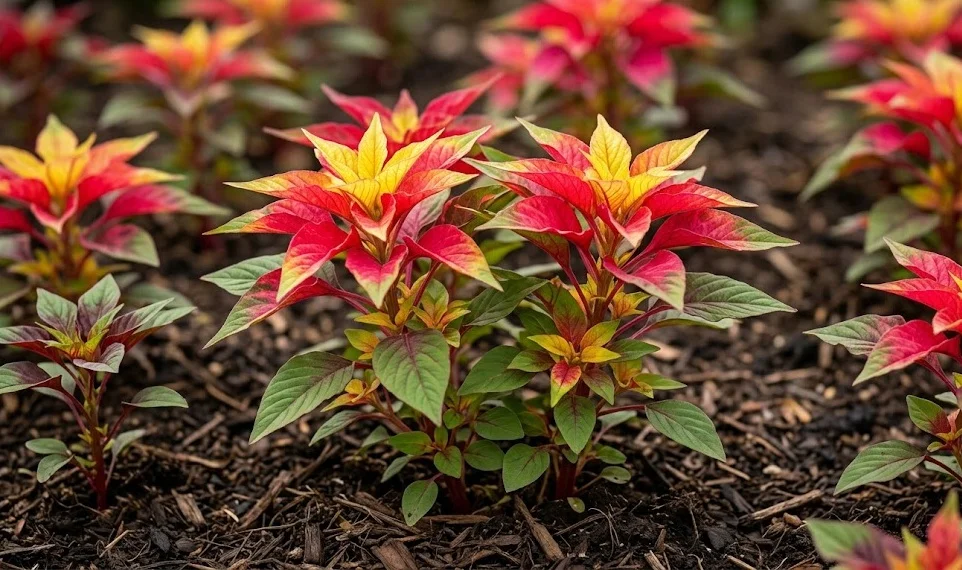
If you are growing the plant primarily for decorative purposes, you can cut the colorful stems for use in floral arrangements. The vibrant reds, yellows, and oranges of the foliage stay fresh for a long time when placed in clean water. You should make the cuts early in the morning when the plant is fully hydrated to ensure the longest vase life. Removing the lower leaves from the cut stems will prevent them from rotting in the water and creating an odor.
Seed collection is a rewarding process that allows you to grow the same variety again in the following year. You should wait until the flower heads have turned brown and the seeds are easily visible and dry. Cutting the entire seed head and placing it in a paper bag will catch any seeds that fall out during the drying process. Once the seeds are completely dry, you can store them in a cool, dark place in an airtight container.
Preserving the harvest is another option if you have an abundance of foliage that you cannot use immediately. While the leaves are best used fresh, they can be blanched and frozen for use in cooked dishes later in the winter. Some gardeners also dry the leaves to make a colorful powder that can be used as a natural food coloring or a nutritional supplement. Exploring these different uses will help you get the most value out of your gardening efforts throughout the year.
Season-end maintenance
As the growing season draws to a close, you will notice the plant beginning to lose some of its vibrant coloration. This natural decline is a signal that the plant is completing its life cycle and shifting its energy toward seed production. You should decide whether you want to leave the plants in place for the birds or clear the bed for winter. Removing the spent plants before they completely rot will help keep your garden tidy and reduce pest hideouts.
Composting the remains is a great way to return the nutrients back to the earth for future gardening projects. However, you should only compost plants that are free from significant diseases or heavy pest infestations. Breaking the stems into smaller pieces will speed up the decomposition process in your compost pile or bin. If the plants were diseased, it is better to dispose of them in the green waste bin to prevent the spread of pathogens.
Evaluating the performance of your plants throughout the season is a valuable exercise for any serious gardener. You should take notes on which areas of the garden performed the best and which varieties were the most resilient. This information will be incredibly useful when you are planning your garden layout for the next spring season. Consider whether the spacing was adequate or if you need to adjust your watering and fertilization schedule.
Preparing the soil for the winter months is the final step in the annual care cycle for this heat-loving species. You can apply a fresh layer of compost or a green manure crop to protect the soil from erosion and nutrient leaching. This proactive approach ensures that the ground will be in peak condition when the warm weather returns. Taking care of the land now saves a lot of work when the busy spring planting season finally arrives.
Advanced care techniques
For those who want to take their gardening to the next level, experimenting with companion planting can yield great results. Planting low-growing herbs or flowers around the base of the tall stems can create a beautiful and functional ecosystem. These companion plants can help attract beneficial insects that prey on common garden pests like aphids or mites. A diverse planting scheme also makes the garden more resilient to environmental changes and disease outbreaks.
Micro-irrigation systems can provide a more precise and efficient way to deliver water to the base of each plant. You can set up a drip line that operates on a timer to ensure the soil stays consistently moist without your constant intervention. This technology reduces water waste and keeps the foliage dry, which is key to preventing many fungal leaf spots. Investing in a simple irrigation setup can save you a significant amount of time during the peak of the summer heat.
Using high-quality organic stimulants can help the plants reach their maximum size and most intense leaf colors. Products containing humic acid or beneficial fungi can improve the root system’s ability to absorb water and minerals. You will see a noticeable difference in the vigor of the plants when you support the underlying biological health of the soil. These advanced supplements are widely available and easy to apply as part of your regular maintenance routine.
Protecting the plants from extreme weather events is a skill that separates the amateur from the expert gardener. You should have some horticultural fleece or shade cloth ready to use during unexpected cold snaps or intense heatwaves. Providing temporary shelter can save a prize-winning specimen from irreversible damage during a freak storm or a record-breaking hot day. Being prepared for the unexpected ensures that your garden remains a source of pride and beauty all season long.