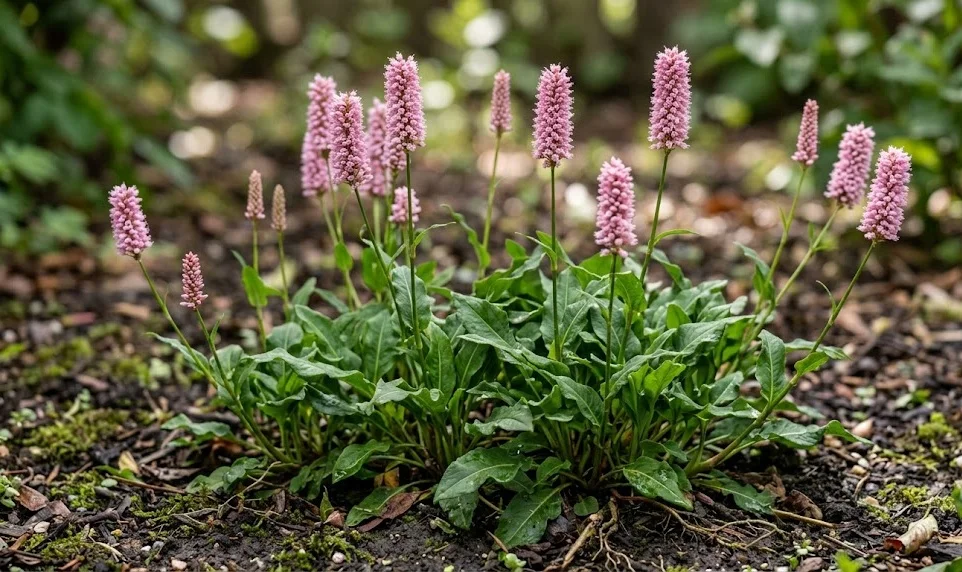

Preparing your common bistort for the winter months is a straightforward process that ensures its survival and health for the coming spring. You will find that this plant is naturally very hardy and can withstand temperatures well below freezing without significant issues. However, a few simple steps can help protect the root system and ensure a more vigorous emergence when the weather warms. Taking the time to prepare now will pay off with a more beautiful and productive display next season.
The process of going dormant is a natural part of the plant’s life cycle that begins as the days grow shorter and colder. You will notice the leaves losing their vibrant green color and eventually turning brown and dry as the sap retreats to the roots. This is a sign that the plant is shifting its energy storage from the foliage down into the underground rhizomes. You should resist the urge to cut everything back too early, as this process is vital for the plant’s long-term strength.
Winter moisture levels are something you should keep an eye on, even though the plant is not actively growing above ground. While the bistort loves moisture, the roots can still rot if they sit in freezing, waterlogged soil for several months. You should ensure that the planting area has good drainage so that excess winter rain or melting snow can move away. A well-drained site is the best protection against the cold-wet combination that kills many hardy perennials.
If you live in a region with extremely harsh winters and little snow cover, your plants might benefit from some extra insulation. Snow is actually an excellent insulator that keeps the soil temperature relatively stable throughout the winter months. Without it, the ground can freeze and thaw repeatedly, which can sometimes push the shallow rhizomes out of the earth. This phenomenon, known as frost heaving, can expose the delicate roots to the drying effects of the winter wind.
Preparing the garden for the first hard frost
As the first frost approaches, you should begin by clearing away any weeds that have managed to establish themselves around your plants. You do not want these competitors to overwinter and get a head start on your perennials in the following spring. Removing them now also eliminates potential hiding spots for pests that might want to spend the winter near your plants. A clean garden bed is much easier to manage once the growing season begins again in the new year.
More articles on this topic
Applying a fresh layer of mulch is one of the most effective things you can do for your bistort before winter. You should use organic materials such as shredded leaves, straw, or well-rotted compost for this particular task. A layer about five to seven centimeters thick will provide a significant buffer against extreme temperature fluctuations in the soil. This mulch will also break down over the winter, adding valuable nutrients to the earth for the spring growth.
You should also decide whether to cut back the dead foliage now or wait until the early spring months arrive. Many professional gardeners prefer to leave the skeletons of the plants standing to provide interest in the winter landscape. These dried leaves and stems can also offer important winter shelter for beneficial insects and small garden creatures. If you prefer a tidy look, however, there is no harm in cutting the stems back to within a few inches of the ground.
Finally, check the labels or markers in your garden to ensure they are still legible and firmly in place for the winter. It is very easy to forget exactly where your dormant perennials are located once the ground is bare and covered in snow. Mark the center of each clump so that you don’t accidentally dig them up or walk on them in the early spring. This simple organizational step will save you a lot of confusion when it’s time to start gardening again.
Managing the dormant period and soil health
During the depth of winter, your main task is simply to monitor the garden and avoid causing any physical damage to the soil. You should avoid walking on the planting beds, as this can compress the soil and squeeze out the air that roots need to breathe. Compaction is particularly problematic in clay soils when they are wet or partially frozen during the winter. Stay on the paths and give your dormant plants the space they need to rest undisturbed.
More articles on this topic
If your area experiences a mid-winter thaw followed by a sudden refreeze, you should check for any signs of frost heaving. If you see the crowns of your plants being pushed out of the soil, gently press them back down with your hand. You can then add an extra layer of mulch over the exposed area to protect the roots from further damage. This quick intervention can save a plant that might otherwise dry out and die before the spring.
Winter is also an excellent time to plan any changes or additions you want to make to your perennial borders next year. You can look at the structure of the garden without the distraction of the lush summer foliage and see where gaps might exist. Thinking about where you might want to divide your bistort or add companion plants is a great way to stay connected to your garden. Use this quiet time to dream and prepare for the busy months that will inevitably follow.
Rainfall patterns can vary greatly during the winter, and sometimes you might actually need to provide a little water. If the ground is not frozen but the weather has been unusually dry for several weeks, the roots can still become dehydrated. A quick soak on a relatively warm day can help maintain the health of the underground rhizomes during a dry winter. This is particularly important for young plants that were only established in the previous autumn.
Spring awakening and post winter care routines
When the first signs of spring appear, you will see the pointed tips of new leaves pushing through the mulch. This is an exciting time for any gardener, as it signals the start of a new cycle of growth and beauty. You should carefully pull back the winter mulch from the immediate center of the plant to allow the soil to warm up. This helps the new shoots emerge more quickly and prevents any moisture from being trapped against the tender growth.
If you left the old foliage standing through the winter, now is the time to cut it back completely to the ground. You should use a sharp pair of garden shears and be careful not to damage the new, emerging shoots in the process. Removing the old debris not only looks better but also helps prevent any overwintering diseases from infecting the new leaves. Dispose of the old material in your compost bin unless you suspect it might be carrying a disease.
An early spring application of a balanced, slow-release fertilizer can give your bistort a great head start for the season. You should spread the fertilizer around the base of the plant and gently work it into the top layer of the soil. This provides the necessary nutrients for the rapid leaf development that occurs in the early part of the growing season. Following this with a good watering will help the nutrients reach the root zone where they are needed.
As the weather continues to warm, you should monitor the soil moisture levels closely, especially during dry spring spells. The transition from dormancy to active growth requires a consistent supply of water to support the expanding leaf surface. If the spring is particularly dry, you should start your watering routine earlier than you might expect to ensure a strong display. A well-hydrated start leads to a much more resilient plant that can handle the challenges of the coming summer.
Preparing containers for the winter months
If you are growing common bistort in pots or containers, they require a bit more attention during the winter than those in the ground. You should be aware that the roots in a container are much more exposed to the cold because they lack the insulation of the earth. In very cold climates, it is often best to move the pots into an unheated garage or a sheltered spot against the house. This provides a buffer against the most extreme temperatures while still allowing the plant to remain dormant.
Wrapping your containers with burlap or bubble wrap is another effective way to provide extra insulation for the roots. You can also group several pots together and fill the spaces between them with straw or dried leaves for added warmth. This “community” approach helps retain heat and protects the outer pots from the drying effects of the cold winter wind. Ensuring that the pots are raised off the cold ground on “pot feet” can also help with drainage and temperature control.
Watering remains important for container plants even during their dormant period in the winter months. You should check the moisture level every few weeks and provide a small amount of water if the soil feels bone-dry to the touch. You want the soil to be slightly damp but never soaking wet, as this would lead to root rot in the cold. A little bit of attention to hydration can make the difference between a thriving plant and a dead one in the spring.
Finally, as spring approaches, you should gradually move your container plants back into their summer positions. You should do this over several days to allow the plants to acclimate to the increased light and fluctuating outdoor temperatures. Check the soil for any signs of compaction and refresh the top layer with some new compost if it looks tired. This refresh will provide a clean, nutrient-rich start for your container-grown bistort as it begins its new season.