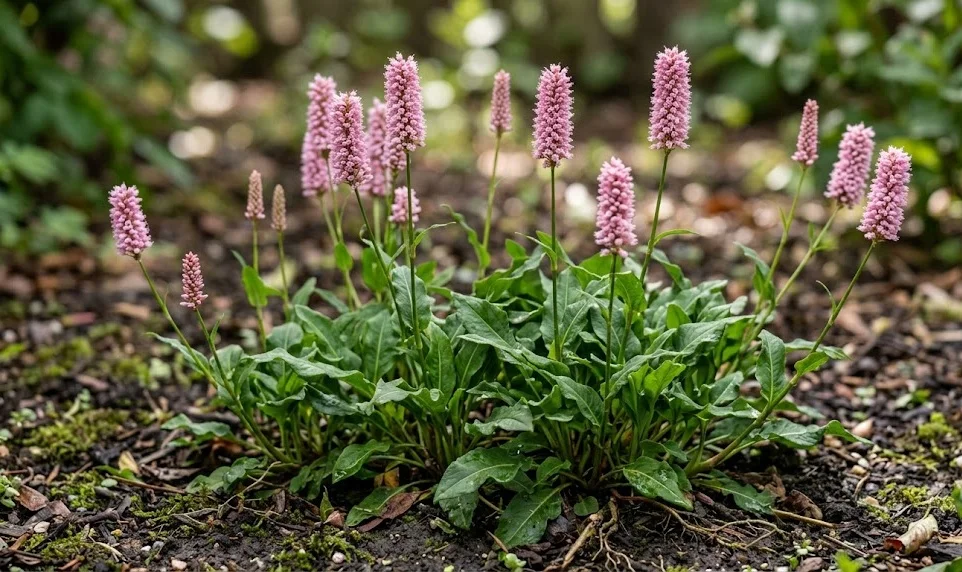

The common bistort is a versatile perennial that adds significant value to any damp garden location or meadow-style landscape. You will find that this plant is remarkably hardy and adaptable, provided its primary needs for moisture and soil quality are met consistently. Success with this species begins with understanding its native habitat, which typically includes moist grasslands and stream banks across temperate regions. By mimicking these natural conditions, you can ensure a lush display of foliage and striking pink flower spikes throughout the growing season.
Maintaining the soil health is the first step toward a thriving garden bed. You should focus on keeping the earth rich in organic matter to support the plant’s vigorous growth. A thick layer of mulch can help retain the necessary moisture during the hotter months of the year. This approach also helps suppress weeds that might compete for nutrients in the soil.
Regular observation of the foliage will tell you a lot about the plant’s current state. If the leaves begin to wilt or turn brown at the edges, it usually indicates a lack of water. You should aim for a consistent moisture level without creating a waterlogged environment. Healthy leaves should maintain a vibrant green color throughout the spring and summer.
The flowering period is the highlight of the season and requires some attention. These bottle-brush shaped flowers attract a variety of pollinators, including bees and butterflies. Once the blooms begin to fade, you can decide whether to leave them for seeds or remove them. This choice often depends on whether you want the plant to self-sow in your garden.
Understanding soil and environmental conditions
Choosing the right location is the most critical decision you will make for your plants. These perennials thrive in heavy, moisture-retentive soils that might be difficult for other species to handle. You should look for areas in your garden where the soil stays naturally damp after rain. Clay-based soils are often ideal because they hold onto water and nutrients very effectively.
More articles on this topic
Preparation of the planting site involves more than just digging a hole in the ground. You should incorporate well-rotted compost or leaf mold into the soil before you begin planting. This improves the structure and provides a slow-release source of essential nutrients for the roots. Deep digging helps the rhizomes spread comfortably as the plant matures over time.
Climate plays a significant role in how the plant behaves in your specific region. It is exceptionally cold-hardy, which makes it a great choice for gardens in northern latitudes. However, it can struggle in areas with extreme summer heat and low humidity levels. Providing some afternoon shade can protect the leaves from scorching in warmer climates.
Air circulation is an often-overlooked factor in perennial care but remains quite important. While these plants enjoy moisture, stagnant air can lead to fungal issues on the dense foliage. You should space the plants far enough apart to allow a gentle breeze to pass through. This simple step helps keep the leaves dry and prevents the onset of powdery mildew.
Seasonal maintenance routines for optimal growth
Spring is the time when you will see the first signs of life emerging from the ground. As soon as the soil warms up, new leaves will start to unfurl from the central crown. You should clear away any debris or dead foliage left over from the previous winter. This cleanup helps the new growth reach the light without any physical obstructions.
More articles on this topic
During the peak of summer, your main focus should shift toward moisture management and deadheading. High temperatures can quickly dry out the soil, so checking the moisture levels daily is recommended. You might notice that the plant looks slightly tired after its first flush of flowers. Removing these spent blooms can sometimes encourage a smaller second wave of flowering.
Autumn is the season for preparing the plant for its period of winter dormancy. You will notice the leaves starting to change color and eventually die back as temperatures drop. There is no need to rush the cutting process, as the dying foliage can provide some winter protection. Many gardeners prefer to leave the skeletons of the plants to provide habitat for beneficial insects.
Winter care is minimal, as the plant remains dormant beneath the surface of the frozen soil. You should avoid walking on the planting beds to prevent soil compaction over the resting roots. If your area experiences very heavy frosts, a light covering of straw can offer extra insulation. The plant is incredibly resilient and will wait patiently for the arrival of spring.
Managing the spread and growth habits
Common bistort grows through a system of thick, creeping rhizomes located just below the surface. You will find that it gradually expands to form a dense, weed-suppressing carpet over several years. This makes it an excellent choice for ground cover in larger, more naturalistic garden designs. However, you should monitor its borders to ensure it does not encroach on smaller neighbors.
If the plant becomes too large for its allocated space, you can easily manage its size. Simple physical barriers can be installed in the soil to prevent the rhizomes from spreading too far. Alternatively, you can use a sharp spade to trim back the edges of the colony each spring. This keeps the growth contained while maintaining the health of the central mother plant.
The density of the foliage is one of the plant’s most attractive and functional features. Large, dock-like leaves create a thick canopy that prevents sunlight from reaching the soil surface. This natural shading keeps the root zone cool and significantly reduces the need for weeding. You will find that very few unwanted plants can compete with such a robust perennial.
Rejuvenation is occasionally necessary for older stands that have become less productive. If you notice that the center of the plant is thinning out, it is time for a change. Lifting the entire clump and replanting the younger, more vigorous sections can restore its former glory. This process ensures that the colony remains healthy and continues to flower abundantly.
Enhancing the aesthetic appeal of your garden
The visual impact of this plant is most striking when it is massed together in large groups. You should consider planting at least five to seven individuals to create a significant focal point. The swaying pink spikes provide a sense of movement and height in the middle of a border. This creates a dynamic landscape that changes beautifully as the wind moves through the garden.
Color coordination is a fun aspect of gardening with this particular species of perennial. The soft pink of the flowers pairs exceptionally well with blue-flowered plants like catmint or cranesbill. You can also contrast the large green leaves with the fine texture of ornamental grasses. This combination of textures adds depth and interest to your garden beds throughout the year.
Height variation is another tool you can use to design a more professional-looking space. Common bistort typically reaches a height of about sixty to ninety centimeters during its flowering phase. You should place it behind shorter edging plants but in front of taller shrubs or trees. This tiered approach creates a lush, layered effect that feels very natural and inviting.
Using these plants near water features can create a seamless transition between land and water. They look particularly at home on the edges of ponds or alongside a wandering garden stream. The reflection of the pink flowers in the water adds a magical quality to the garden scene. This setting also provides the high moisture levels that the plant truly craves.
Long term health and vitality monitoring
Keeping a garden journal can help you track the progress and health of your plants over the years. You should note down the dates when the first flowers appear and when the foliage begins to turn. This information allows you to anticipate the needs of the plant in future growing seasons. Patterns in weather and plant response become much clearer when they are documented regularly.
Root health is difficult to see but vital for the long-term success of the common bistort. If you notice a sudden decline in vigor, it might be worth investigating the condition of the rhizomes. Soil that has become too compacted can suffocate the roots and prevent them from absorbing nutrients. Aerating the soil around the plant can often solve this problem without moving the plant.
Nutrient balance is essential for maintaining the vibrant color of both leaves and flowers. While they are not heavy feeders, a lack of minerals can lead to pale, sickly foliage. You should observe the overall color and growth rate to determine if a supplement is needed. Usually, an annual application of organic compost is more than enough to satisfy their needs.
Resilience to environmental stress is a hallmark of this species, but it has its limits. Prolonged droughts can weaken the plant and make it more susceptible to secondary issues. You should always prioritize hydration during dry spells to maintain the internal strength of the plant. A healthy, hydrated plant is much better equipped to handle any challenges that come its way.
Professional tips for successful cultivation
One professional secret is to avoid over-fertilizing with high-nitrogen products in the early spring. Too much nitrogen can lead to excessive leaf growth at the expense of the beautiful flower spikes. You want a balanced growth habit that supports both the foliage and the reproductive parts. Stick to natural, slow-release options for the best results over the long term.
Understanding the life cycle of the common bistort will make you a more effective gardener. The plant focuses its energy on root development during the first year after it has been planted. Do not be discouraged if the flowering is sparse during this initial period of establishment. Patience is rewarded with much more impressive displays in the second and third years of growth.
Competing with nearby plants is a natural part of any garden ecosystem you create. You should ensure that taller, more aggressive plants do not completely overshadow the bistort. While it can handle some shade, it still needs sufficient light to produce its signature pink flower spikes. Finding the right balance of light and space is key to a professional-looking garden.
Finally, always remember that gardening is a continuous process of learning and adapting to changes. What works one year might need adjustment the next due to shifts in the local microclimate. Stay observant and be willing to move plants if they are clearly unhappy in their current spot. The common bistort is quite forgiving and will usually recover quickly from a transplant.