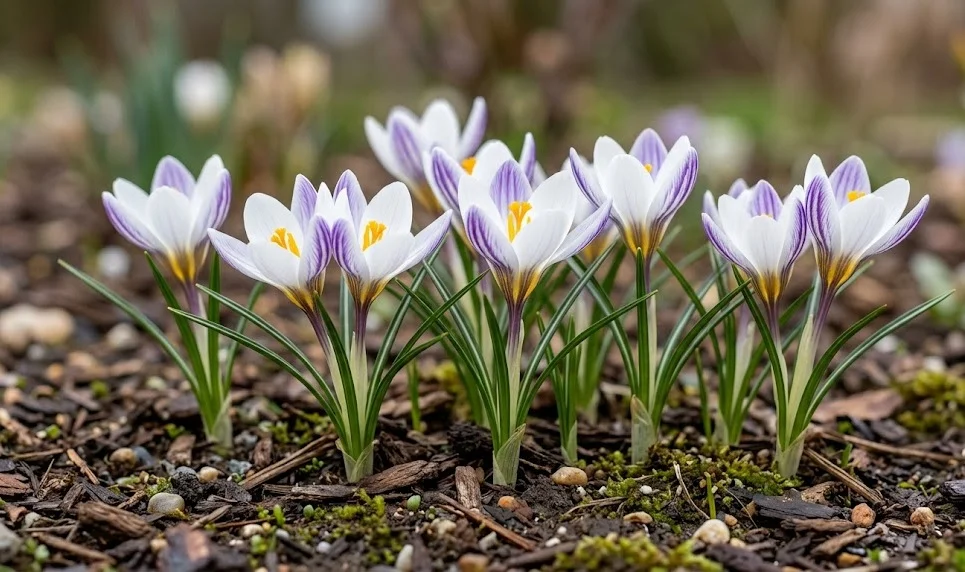

While the concept of pruning is usually associated with trees and shrubs, it also has a specific and important role in the management of the silvery crocus. In the context of bulbous plants, “pruning” refers to the deliberate removal of spent flowers and ripening foliage at the appropriate times. This practice is not just about aesthetics; it is a professional technique used to direct the plant’s energy toward bulb development. Mastering the timing and method of these interventions is essential for maintaining a high-performance garden display.
The most immediate task after the flowering period is the removal of the spent blossoms, a process often referred to as deadheading. If left on the plant, the fading flowers will eventually develop into seed pods, which consume a significant amount of the plant’s energy. By removing the flowers as soon as they wither, the professional gardener ensures that all resources are redirected back down into the corm. This simple action results in larger bulbs and more robust flowering in the following spring season.
When deadheading, it is important to remove only the flower head and its supporting stem, being careful not to damage the surrounding leaves. The foliage must be left entirely intact, as it is the primary engine for energy production during the post-bloom phase. Using a small, sharp pair of snips or simply pinching the stem with your fingernails is the best way to handle these delicate plants. A professional touch ensures that the work is done cleanly and without causing unnecessary stress to the living tissues.
The most challenging part of pruning crocus is the period when the foliage begins to decline and look untidy in the garden. It can be very tempting to cut the leaves back as soon as they start to turn yellow or flop over on the ground. However, a professional gardener knows that the leaves must be allowed to die back completely and naturally. Cutting the foliage too early is the most common cause of “blind” bulbs that produce only leaves and no flowers the following year.
The art of deadheading and cleanup
Deadheading the silvery crocus should be a regular part of your garden walk-through during the peak of the spring season. As each flower begins to fade and lose its color, it is time to remove it before it can start the seed-making process. This consistent attention keeps the garden looking fresh and professional throughout the entire blooming period. It also allows you to inspect the plants closely for any early signs of pests or disease that might be lurking in the old petals.
More articles on this topic
When a large number of plants are grown in a naturalized lawn or meadow, individual deadheading may not be practical or necessary. In these settings, the plants are often allowed to go to seed to encourage the natural spread of the colony. This is a professional choice based on the specific goals for that area of the garden. Understanding when to intervene and when to let nature take its course is a hallmark of an experienced and thoughtful horticulturalist.
General garden hygiene during the spring cleanup is another important aspect of “pruning” in the bulb bed. Remove any fallen leaves from trees or debris that might be smothering the small crocus plants or blocking the light. This cleanup not only improves the look of the garden but also reduces the hiding places for slugs and other pests. A professional gardener maintains a clean and organized environment to support the health and vigor of all their plant subjects.
As the final flowers disappear, the gardener’s focus shifts to the long-term health of the bulbs. The transition from a floral display to a foliage display is a natural part of the garden’s seasonal rhythm. During this time, the “pruning” tasks are minimal, and the main job is to protect the leaves from accidental damage. Professionalism in this phase is defined by restraint and the willingness to let the plant follow its own biological schedule.
Managing the ripening foliage
The period after flowering, when the leaves are the only visible part of the plant, is often called the “ripening” phase. During this time, the leaves are working hard to gather sunlight and convert it into the nutrients that will sustain the bulb through its long dormancy. Professional advice is to leave the foliage alone until it has turned completely brown and detaches easily from the soil with a gentle tug. This ensures that the maximum amount of energy has been transferred back to the underground storage organ.
More articles on this topic
If the sight of the withering foliage is too much for a tidy garden, there are professional ways to manage the aesthetics. Planting late-emerging perennials like hostas or ferns nearby can provide a natural screen that hides the fading crocus leaves. As these other plants grow up and fill out, they will seamlessly cover the area where the crocus once bloomed. This strategic planting design is a much better solution than cutting the foliage prematurely and risking the health of the bulbs.
In lawn settings, it is essential to delay the first mowing of the season until the crocus foliage has fully ripened and turned brown. This usually happens about six weeks after the last flower has faded, which can be a challenge for those who like a perfectly manicured lawn. To balance these needs, some professional gardeners mow paths through the meadow areas while leaving the main crocus drifts undisturbed. This creates a purposeful and “designed” look even while the plants are in their messy ripening phase.
Once the foliage is completely dry and brittle, it can be easily removed by hand or with a light raking of the area. This final cleanup marks the official end of the plant’s active season and the beginning of its summer dormancy. Removing the old leaves helps to prevent the buildup of fungal spores and keeps the garden bed looking neat for the summer season. A professional gardener is always thinking one step ahead, preparing the site for the next phase of the garden’s life.
Tool maintenance and hygiene
Whenever you are pruning or cutting back plants in the garden, the condition of your tools is a matter of professional pride. Sharp, clean blades make precise cuts that heal quickly and reduce the risk of introducing pathogens into the plant tissues. For small jobs like deadheading crocuses, a pair of floral snips or specialized bulb scissors is the ideal choice. Keeping your tools well-maintained ensures that you can work efficiently and safely throughout the gardening season.
Disinfecting your tools between uses is a critical step in preventing the spread of viral and fungal diseases. A simple solution of rubbing alcohol or a specialized horticultural disinfectant can be used to wipe down the blades. This is especially important if you have been working on plants that show any signs of ill health. A professional gardener knows that hygiene is the first line of defense in maintaining a healthy and vibrant collection of plants.
Storing your tools properly after each use will extend their life and keep them ready for the next task. Clean off any soil or plant sap, dry the blades thoroughly, and apply a light coat of oil to prevent rust. Organized tool storage also saves time and ensures that you always have the right implement for the job at hand. Professionalism in horticulture extends beyond the plants themselves and into every aspect of the work, including tool care.
Finally, always be mindful of where you dispose of the material you have pruned or cut back from your garden. Healthy spent flowers and dried foliage can be added to a well-maintained compost pile to be recycled into future soil amendments. However, any material that shows signs of disease should be bagged and removed from the property or burned where permitted. This responsible approach to waste management is a key part of maintaining a professional and healthy garden ecosystem.