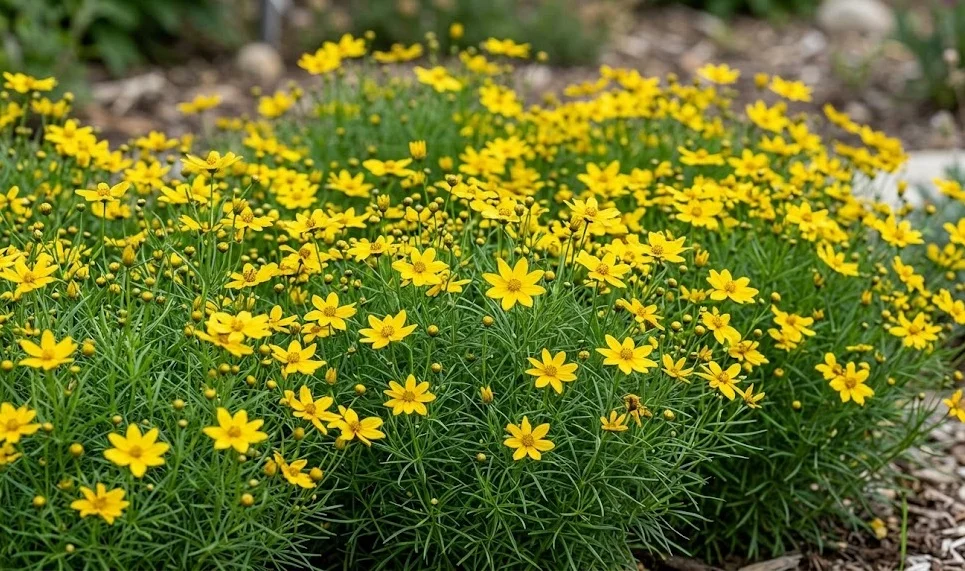

Proper hydration and nutrition are the twin pillars of maintaining a stunning perennial display that lasts for many years. Narrow-leaf tickseed is generally appreciated for its ability to handle difficult conditions, but it truly shines when its basic biological needs are met with precision. When you master the art of watering and the science of fertilization, you unlock the full potential of this plant’s delicate foliage and brilliant yellow flowers. Understanding how these two factors interact with the environment is essential for anyone looking to manage a professional-grade garden.
Establishing a professional watering routine
The key to watering this perennial successfully is to focus on deep, infrequent applications rather than light, daily sprinkles. This approach encourages the roots to grow deeper into the soil in search of moisture, making the plant much more resilient during dry spells. You should aim to soak the ground thoroughly around the base of the plant, ensuring the water reaches at least six inches down. Checking the soil moisture manually by feeling an inch below the surface can help you decide when it is time to water.
During the first year after planting, your new additions will require more frequent attention to ensure they establish a strong root system. You should monitor the weather closely and provide extra water if natural rainfall is insufficient to keep the soil consistently damp. Once the plants are established, they become remarkably drought-tolerant, often surviving for weeks without significant irrigation. However, keeping them moderately hydrated will always result in a more attractive plant with a longer-lasting floral display.
Early morning is the ideal time to water your garden, as it allows the foliage to dry off before the heat of the midday sun arrives. This practice reduces the risk of fungal diseases that can thrive in damp, cool conditions overnight. If you must water in the evening, try to apply the water directly to the soil surface to keep the leaves as dry as possible. Using a soaker hose or a drip irrigation system is an excellent way to deliver moisture precisely where it is needed most.
It is also important to adjust your watering routine based on the specific conditions of your garden and the local climate. Plants growing in sandy soil will require more frequent watering than those in heavier clay, as the water moves through the profile much faster. Wind can also dry out the fine foliage of the tickseed surprisingly quickly, so keep an eye on things during particularly gusty periods. Being observant and flexible allows you to provide the best possible care for your plants regardless of the circumstances.
More articles on this topic
Identifying and managing moisture stress
Even with the best planning, there may be times when your plants experience stress due to either too much or too little water. If the soil remains saturated for too long, the roots can begin to suffocate, leading to a condition known as root rot. You might notice the leaves turning yellow or the stems becoming soft and mushy at the base if this is occurring. In these cases, the best course of action is to improve the drainage and allow the soil to dry out thoroughly.
On the other hand, a lack of moisture will cause the plant to wilt, starting with the tender new growth at the tips of the stems. If left unaddressed, the foliage may begin to turn brown and crispy, and the flower buds might drop before they have a chance to open. This is the plant’s way of conserving energy and protecting its core from the effects of extreme dehydration. A thorough watering will often revive a wilted plant, but it is better to prevent the stress from reaching that point.
Environmental factors like extreme heat can also cause temporary wilting even if there is moisture in the soil, as the plant loses water faster than it can take it up. This is a natural defense mechanism, and you should wait until the cooler evening hours to see if the plant recovers on its own. If it remains wilted after the sun goes down, it is a clear sign that additional irrigation is required. Learning to distinguish between heat stress and actual moisture deficiency is a skill that comes with experience.
Mulching is one of the most effective ways to manage moisture levels and reduce the overall stress on your plants. A layer of organic material like shredded bark or compost helps to insulate the soil and slow down the rate of evaporation. This keeps the root zone cooler and more consistently moist, providing a stable environment for the tickseed to thrive. Just remember to keep the mulch from touching the stems directly to prevent any moisture-related decay at the crown.
More articles on this topic
Nutrient requirements for vibrant blooms
While this perennial is not a heavy feeder, providing the right balance of nutrients will certainly enhance its growth and flowering. In most garden soils, a single application of fertilizer in the early spring is all that is needed to support the plant for the entire season. You should look for a balanced, slow-release product that provides a steady stream of nutrients as the plant wakes up from dormancy. This prevents the sudden flush of weak growth that can sometimes be caused by high-nitrogen fertilizers.
If you find that your soil is naturally very poor or sandy, you might consider a second, lighter application of fertilizer in mid-summer. This can provide a little extra energy to help the plant sustain its blooming period into the autumn months. However, be careful not to over-fertilize, as this can lead to an abundance of foliage at the expense of the star-shaped yellow flowers. The goal is to achieve a balanced plant that looks healthy and performs reliably without being excessively lush.
The role of micronutrients should not be overlooked, as they are essential for many of the biological processes within the plant. Elements like iron, magnesium, and calcium contribute to the strength of the cell walls and the efficiency of photosynthesis in the fine leaves. A high-quality organic fertilizer often contains these minor elements in the right proportions for perennial growth. If you notice unusual discoloration in the foliage that doesn’t seem related to water, a nutrient deficiency might be the cause.
Testing your soil every few years is a professional way to ensure you are providing exactly what your plants need without guessing. A soil test will reveal the levels of major nutrients as well as the pH, which affects how easily the plant can access those resources. Armed with this information, you can make informed decisions about what amendments are truly necessary for your garden. This scientific approach saves you time and money while ensuring the long-term health of your landscape.
Organic vs. synthetic fertilizers
Choosing between organic and synthetic fertilizers is a decision that impacts not only your plants but the entire soil ecosystem. Organic options, such as compost, well-rotted manure, or bone meal, work by improving the overall health of the soil over time. They provide nutrients in a form that must be broken down by soil microbes, which leads to a more sustainable and long-lasting fertility. This approach fosters a diverse community of beneficial organisms that help the tickseed thrive naturally.
Synthetic fertilizers, on the other hand, offer nutrients in a highly concentrated and immediately available form. They can be very effective for correcting a specific deficiency quickly or for giving a young plant a fast start in the garden. However, they do not contribute to the long-term structure of the soil and can sometimes lead to a buildup of salts if used excessively. Many professional gardeners find that a combination of both approaches works best for their specific needs and goals.
If you decide to use compost as your primary source of nutrition, you are also adding valuable organic matter to the soil profile. This improves the soil’s ability to hold onto moisture and nutrients, which is especially beneficial for a plant like the narrow-leaf tickseed. Simply spreading an inch or two of high-quality compost around the base of the plant each spring is often all that is required. It is a simple, effective, and environmentally friendly way to manage your garden’s fertility.
Whichever path you choose, always follow the application instructions on the product label to avoid over-applying. Using too much fertilizer can be just as damaging as using too little, potentially leading to nutrient runoff and environmental pollution. Applying fertilizer to moist soil and watering it in lightly will help ensure the nutrients reach the root zone where they can be most effective. A careful and considered approach to nutrition is a hallmark of an expert gardener who cares about the big picture.
Seasonal adjustment of inputs
As the growing season progresses, the needs of your plants will shift in response to the changing environment and their own lifecycle. In the spring, the focus is on providing the energy required for the initial burst of foliage and the development of the first flower buds. This is when the plant’s metabolic rate is at its highest and its demand for nutrients is most significant. Ensuring the soil has adequate moisture during this time is also critical for supporting the expansion of the new growth.
During the peak of summer, the plant’s energy is primarily directed toward maintaining its blooms and surviving the heat. You should scale back on any heavy fertilization during this time, as the plant is already working hard to manage its existing resources. Instead, focus your efforts on maintaining consistent moisture levels and providing a stable environment. If the weather becomes exceptionally dry, your primary task becomes ensuring the survival of the plant through careful irrigation.
As the days shorten in the autumn, the plant begins to slow down and prepare for the winter months ahead. You should avoid applying any fertilizer late in the season, as this could encourage new, tender growth that won’t have time to harden off before the first frost. This is the time to let the plant naturally transition into its dormant state, preserving its energy for the following year. Watering can also be reduced as the temperatures drop and the plant’s water needs decrease.
Winter is a time of rest for the perennial, and no inputs are required during this period of dormancy. The nutrients and moisture stored in the root system and crown will sustain the plant until the warmth of spring returns. By following the natural rhythms of the seasons, you are working with the plant’s biology rather than against it. This seasonal awareness is what separates a truly professional gardening practice from a more haphazard approach to plant care.