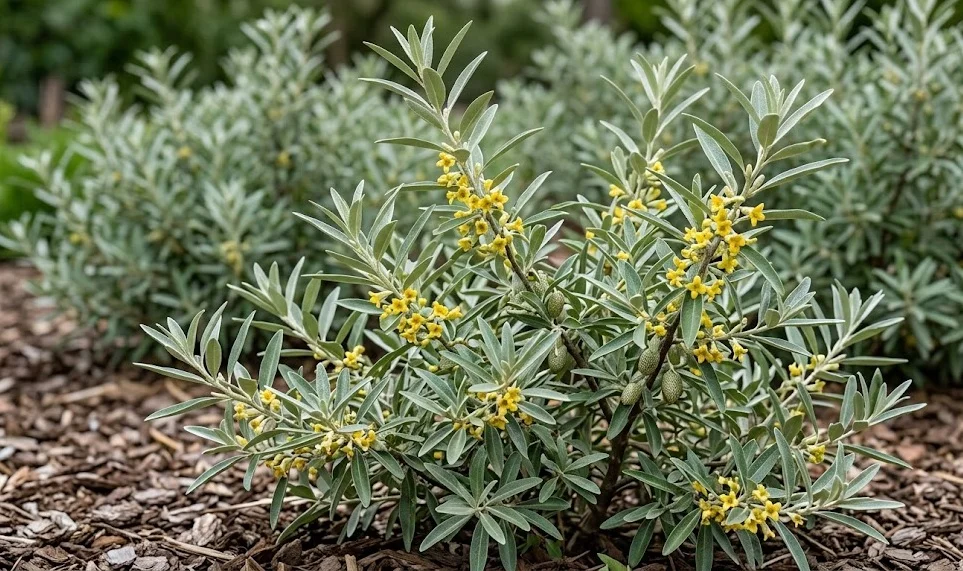

Managing a hardy and versatile species like this requires a nuanced understanding of its natural adaptations to various environments. Gardeners often value this plant for its striking silvery foliage and the sweet fragrance of its blossoms during the early summer months. Success in maintaining its health involves balancing regular maintenance with the plant’s inherent ability to thrive in poor conditions. By paying close attention to the specific needs of the tree throughout the seasons, you can ensure it remains a highlight of your landscape for many years.
The first step in comprehensive care is monitoring the soil conditions to ensure they do not become excessively waterlogged. While this species is incredibly resilient, it prefers well-drained sites where its roots can breathe effectively. You should observe how the plant reacts to local weather patterns, especially during periods of extreme heat or unexpected drought. Consistent observation allows for early intervention if any signs of stress or nutrient deficiency begin to appear on the leaves.
Maintaining the aesthetic appeal of the shrub involves regular cleaning of the area around the base to prevent the buildup of debris. Removing fallen leaves and spent flowers can help reduce the risk of fungal growth during the more humid months of the year. This practice also allows you to inspect the trunk and lower branches for any physical damage or signs of unwanted visitors. A clean environment promotes better airflow, which is essential for keeping the foliage dense and vibrant throughout the growing season.
Long-term care strategies should include a plan for managing the growth habit of the tree to prevent it from becoming overly invasive. Because it grows quite vigorously, setting boundaries early on will save a lot of effort in the future. You might consider using root barriers or specific planting zones if your garden space is limited or if you have sensitive neighboring plants. Proactive management ensures that the plant serves its purpose as a windbreak or ornamental feature without overwhelming the rest of the garden.
Essential environmental conditions
The surrounding environment plays a crucial role in how well the plant develops its characteristic silvery sheen and dense structure. It thrives best in open areas where air circulation is constant, reducing the likelihood of moisture-related leaf issues. You should consider the proximity of other large structures or trees that might block the natural movement of air around the canopy. Providing enough space for the plant to reach its full width is vital for its overall health and visual impact.
More articles on this topic
Soil quality, while not the most demanding factor for this species, still influences the rate of growth and the abundance of its fruit. It can tolerate saline soils and even areas with high heavy metal content, making it an excellent choice for land reclamation. However, for a home garden, aiming for a neutral to slightly alkaline pH will yield the most aesthetically pleasing results. Avoid planting in areas where water tends to pool after heavy rain, as constant wet feet can eventually lead to root decline.
Temperature fluctuations are rarely an issue for this robust plant once it has become fully established in its location. It can handle the scorching heat of midsummer as easily as the biting frost of a deep winter transition. This adaptability makes it a favorite for gardeners in regions with unpredictable climates or extreme seasonal shifts. Providing a bit of extra mulch during the first few years can help the young root system stabilize against these temperature changes.
Urban environments often present challenges like pollution and salt spray from roads, but this plant handles such stresses with remarkable ease. It is frequently used in city landscaping because it filters dust and tolerates the exhaust fumes that might wither more delicate species. If you live near a busy road, you will find that the leaves remain relatively clean and functional compared to other ornamental shrubs. This toughness is a primary reason why it remains a staple in professional landscape architecture across the globe.
Monitoring seasonal transitions
As spring arrives, the plant begins to wake from its winter dormancy with a burst of new, soft growth. This is the period when you should be most attentive to the moisture levels in the soil to support the developing shoots. Early season care sets the tone for the rest of the year, so ensuring the plant has a strong start is beneficial. You will notice the silvery scales on the new leaves are particularly bright and reflective during these weeks of rapid expansion.
More articles on this topic
The transition into summer brings the flowering phase, which fills the air with a heavy, honey-like scent that attracts many pollinators. During these warm months, the focus shifts to ensuring the plant does not lose too much moisture through transpiration. While drought-tolerant, providing occasional deep watering during prolonged dry spells will help the plant maintain its vigor. This extra support prevents the premature dropping of leaves and ensures the fruit set is successful for the autumn harvest.
Autumn is a time of preparation, as the plant begins to slow its metabolic processes and the fruit ripens to a dusty red. You should reduce any supplemental feeding during this time to allow the new wood to harden off before the first frost arrives. This hardening process is essential for protecting the plant from split bark and other cold-related injuries that can occur in late autumn. Observing the change in leaf texture will give you a good indication of when the plant is entering its resting phase.
Winter care is mostly passive, but it remains an important part of the annual cycle for any dedicated gardener. You should check the structural integrity of the branches after heavy snowfall to ensure they do not snap under the weight. Removing heavy accumulations of snow gently can prevent permanent deforming of the shrub’s natural shape. This quiet period is also the perfect time to plan your maintenance schedule for the coming year based on the plant’s performance.
Enhancing the aesthetic appeal
The unique color palette of this species allows it to act as a perfect backdrop for more colorful flowering perennials in your garden. By placing darker-leaved plants in front of its silver foliage, you create a sense of depth and contrast that is visually stunning. You can experiment with different heights and textures to see how the light interacts with the reflective surface of the leaves. This design flexibility makes it a valuable tool for creating professional-looking garden compositions with minimal effort.
To keep the plant looking its best, you should occasionally thin out the inner branches to allow more light to reach the center of the canopy. This prevents the interior from becoming a mass of dead twigs and encourages foliage growth closer to the main trunk. A well-thinned plant looks much healthier and more “humanized” than one left to grow into a tangled thicket. Regular thinning also makes it much easier to inspect for any hidden issues that might be developing within the dense growth.
Training the plant into a specific shape, such as a formal hedge or a small multi-stemmed tree, can significantly improve its garden presence. It responds very well to shaping, provided you use sharp tools and make clean cuts that heal quickly. You should decide on the desired form early in the plant’s life to guide its development effectively over the years. Consistent training ensures that the plant fits the scale of your garden without requiring drastic or stressful interventions later.
Integrating the plant into a wildlife-friendly garden design is another way to enhance its overall value and appeal. The dense branches provide excellent nesting sites for birds, while the flowers and fruit offer food sources throughout the year. You will find that your garden becomes much more active and vibrant when you include plants that support local biodiversity. This ecological benefit adds a layer of satisfaction to the gardening process that goes beyond simple visual beauty.
Improving soil health and biology
Even though this plant is famous for growing in poor soils, improving the biology around its roots can lead to even better results. Introducing beneficial fungi and bacteria through high-yuality compost can create a more resilient root environment. You should avoid using heavy chemical treatments that might disrupt the natural balance of the soil microorganisms. A healthy soil biome helps the plant access nutrients more efficiently and improves its natural resistance to environmental stress.
The plant itself contributes to soil health through its symbiotic relationship with nitrogen-fixing bacteria located in its root nodules. This means that over time, the soil around the plant actually becomes richer in nitrogen, benefiting nearby vegetation as well. You can take advantage of this by planting nitrogen-hungry species in the vicinity once the olive tree is established. This natural fertilization process is a fantastic example of how professional gardening works with nature rather than against it.
Mulching the base of the plant with organic matter like wood chips or straw is a simple yet effective way to maintain soil structure. The mulch suppresses weeds that would otherwise compete for nutrients and helps the soil retain moisture during the hottest parts of the year. As the mulch breaks down, it adds organic carbon to the soil, further improving the environment for the root system. You should replenish the mulch layer once or twice a year to keep it effective and tidy.
If you find that your soil is particularly heavy or clay-based, adding some coarse sand or fine gravel during the planting phase can improve drainage. This physical modification of the soil structure prevents the compaction that can sometimes stunt the growth of younger plants. You should mix the amendments thoroughly with the existing soil to ensure a consistent texture throughout the planting hole. Long-term soil management ensures that the plant remains healthy even as the garden matures and changes.
Maintaining plant vitality
Vigor is one of the most prominent characteristics of this species, but it must be channeled correctly to keep the plant healthy. You should look for signs of strong new growth each year, as this indicates that the root system is functioning properly. If the plant seems to be stagnating, it might be time to investigate the soil or the amount of light it receives. Maintaining vitality is about providing the right conditions rather than constantly intervening with artificial boosters.
The fruit production is another indicator of the plant’s overall health and the suitability of its environment. A healthy specimen will produce an abundance of small, drupe-like fruits that are both ornamental and useful for local wildlife. If the plant fails to fruit, it may be due to a lack of sunlight or a significant imbalance in the available nutrients. Watching the life cycle of the fruit from flower to seed provides a rewarding connection to the natural rhythms of your garden.
Bark health is often overlooked, but it is a vital component of the plant’s structural integrity and transport system. You should check for any deep cracks or areas where the bark seems to be peeling excessively or showing signs of rot. While some natural shedding is normal, significant lesions can be an entry point for pathogens or wood-boring insects. Keeping the bark clean and free of physical damage ensures the long-term survival of the tree.
Lastly, ensuring that the plant has enough room to grow without being crowded by other aggressive species is key to its vitality. Competition for resources can lead to a weakened immune system and a higher susceptibility to common garden problems. You should periodically assess the spacing in your garden and prune back any neighboring plants that are encroaching too much. A well-spaced garden allows each individual plant to reach its full potential and display its natural beauty.
Professional monitoring techniques
Experienced gardeners often use a hands-on approach to assess the hydration and health of their plants. By feeling the leaves and checking the tension in the stems, you can gain a sense of the plant’s internal water pressure. This tactile feedback is often more accurate than relying solely on visual cues or a rigid watering schedule. You will eventually develop an intuition for what the plant needs simply by spending time in its presence.
Keeping a garden journal can be an invaluable tool for tracking the development of your russian olive over several seasons. Recording dates for flowering, fruiting, and the first signs of spring growth allows you to spot trends or potential issues. You can also note how the plant responded to specific weather events or maintenance tasks you performed. This professional record-keeping turns gardening from a hobby into a precise and rewarding scientific endeavor.
Using a soil moisture meter can provide objective data to back up your observations and help you fine-tune your care routine. While these plants are hardy, knowing exactly how much water is available at the root level can prevent both overwatering and underwatering. These tools are particularly useful during the first few years after planting when the tree is most vulnerable. Accurate data allows you to make informed decisions that promote faster establishment and stronger growth.
Final assessments of the plant’s health should always take the entire garden ecosystem into account. You should observe how the plant interacts with its neighbors and whether it is providing the intended benefits to your landscape. If the plant is fulfilling its role as a screen or ornamental feature while remaining healthy, your care routine is a success. Continuous learning and adaptation are the hallmarks of a professional gardener who truly understands their craft.