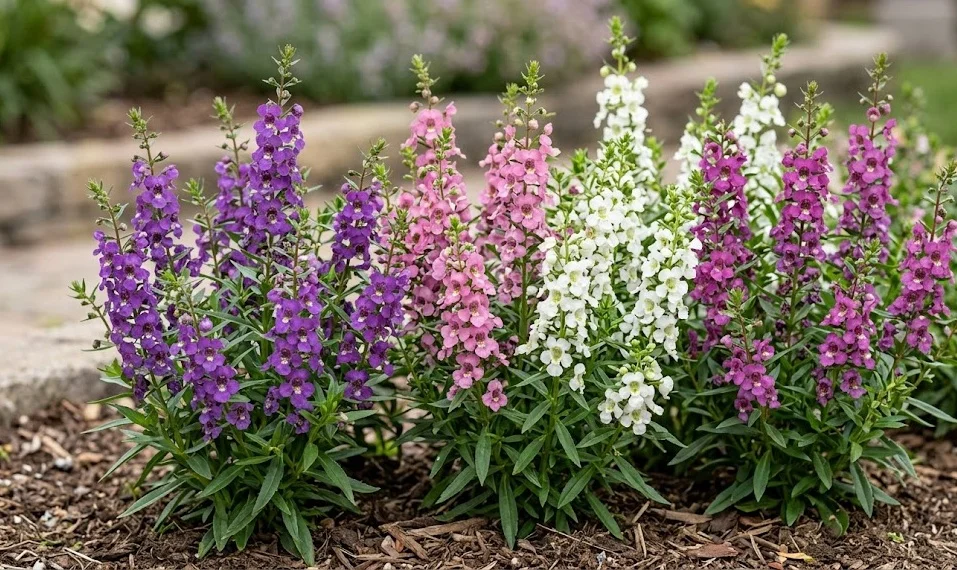

Proper hydration and nutrient management are the twin pillars of success when it comes to growing spectacular narrowleaf angelonia. While these plants are known for their heat tolerance, they still require a consistent supply of water and minerals to produce their signature flower spikes. Professionals understand that the needs of the plant change throughout the season and adapt their routines accordingly to maximize the visual impact of the landscape. This article provides an in-depth look at the technical requirements for watering and feeding this versatile garden species.
Watering is not just about the quantity of liquid provided, but also about the timing and method of application. For narrowleaf angelonia, the goal is to maintain a soil environment that is moist but never saturated, which can be a delicate balance in different climates. Overwatering can lead to root rot and other fungal issues, while underwatering will result in stunted growth and fewer flowers. By learning to read the subtle signs the plant gives you, you can become much more efficient in your irrigation practices.
Fertilization provides the chemical building blocks that the plant uses to construct its leaves, stems, and vibrant blossoms. Without a steady supply of nitrogen, phosphorus, and potassium, even the best-watered plant will eventually lose its vigor and stop blooming. However, applying too much fertilizer can be just as damaging as applying too little, as it can lead to salt buildup in the soil. A professional approach involves testing the soil and using high-quality products that provide a balanced nutrient profile tailored to the needs of flowering plants.
The interaction between water and nutrients is also a key consideration for the expert gardener, as water acts as the vehicle for nutrient delivery. If the soil is too dry, the plant cannot take up the minerals it needs, regardless of how much fertilizer you have applied. Conversely, excessive watering can leach valuable nutrients out of the root zone before the plant has a chance to absorb them. Finding the “sweet spot” where both water and nutrients are available in the correct proportions is the secret to a truly thriving garden.
Establishing a professional watering routine
A professional watering routine begins with understanding the specific soil type and drainage characteristics of your planting area. Sandy soils dry out very quickly and may require daily attention, whereas clay-heavy soils hold moisture much longer and need less frequent irrigation. You can check the moisture level by inserting your finger into the soil to a depth of about five centimeters; if it feels dry, it is time to water. Consistency is much more important than the volume of water, as dramatic fluctuations in soil moisture can stress the plant.
More articles on this topic
The time of day you choose to water can have a significant impact on the health of your plants and the efficiency of your resource use. Early morning is the ideal time, as it allows the foliage to dry quickly in the sun, which reduces the risk of fungal diseases like powdery mildew. Watering in the evening can be problematic because the damp leaves stay wet throughout the night, providing a perfect environment for pathogens. If you must water during the day, try to apply the water directly to the base of the plant to minimize evaporation and keep the foliage dry.
Using the right equipment can also make a big difference in how well your narrowleaf angelonia responds to your irrigation efforts. Soaker hoses or drip irrigation systems are highly recommended because they deliver water directly to the root zone where it is needed most. These systems also help to conserve water by reducing runoff and evaporation, making your garden more environmentally friendly. If you are using a traditional hose or watering can, use a gentle setting or a rose attachment to avoid displacing the soil or damaging the stems.
In addition to regular irrigation, you must be prepared to adjust your routine based on the prevailing weather conditions in your area. During a heatwave or a period of high winds, the plants will lose moisture much faster through their leaves and will need more frequent watering. Conversely, during a rainy spell, you should cut back on irrigation to prevent the soil from becoming waterlogged. Paying close attention to the local forecast and observing your plants daily will help you stay ahead of their hydration needs throughout the season.
Principles of effective fertilization
Choosing the right fertilizer is the first step toward providing the expert care that narrowleaf angelonia deserves for its floral display. A balanced, water-soluble fertilizer with an N-P-K ratio such as 10-10-10 or 20-20-20 is often the best choice for general maintenance. Nitrogen (N) promotes healthy green foliage, phosphorus (P) supports strong root systems and flower development, and potassium (K) improves overall plant resilience. If your primary goal is to maximize the number of blooms, you might choose a formula with a slightly higher middle number to boost phosphorus levels.
More articles on this topic
The frequency of fertilization depends largely on the growing environment and the type of product you are using to feed your plants. For plants in garden beds, a monthly application of granular fertilizer is usually sufficient to maintain steady growth throughout the summer. Container-grown specimens require more frequent feeding, often every two weeks, because the limited soil volume and regular watering cause nutrients to wash away quickly. Always follow the manufacturer’s instructions on the label to avoid over-fertilizing, which can cause leaf burn and other physiological issues.
Organic fertilizers, such as compost tea or fish emulsion, offer a more gentle and sustainable way to provide nutrients to your garden. These products not only feed the plants but also improve the health of the soil microbiome, which is essential for long-term garden vitality. While they may work more slowly than synthetic fertilizers, they provide a steady supply of micronutrients that are often missing from standard chemical blends. Many professional gardeners use a combination of both organic and synthetic products to get the best of both worlds.
Applying fertilizer correctly is just as important as choosing the right product to ensure that the plant can actually use the nutrients. Granular fertilizers should be scratched into the surface of the soil around the base of the plant and then watered in thoroughly to activate them. Liquid fertilizers should be applied to moist soil to prevent root burn and to ensure even distribution throughout the root zone. Avoid getting fertilizer directly on the foliage or the flowers, as the concentrated minerals can cause unsightly spotting or damage to the delicate tissues.
Soil pH and micronutrient availability
While nitrogen, phosphorus, and potassium are the primary nutrients, the availability of micronutrients is equally important for the health of your angelonia. Elements such as iron, magnesium, and manganese are needed in very small amounts but are essential for various metabolic processes within the plant. A deficiency in any of these micronutrients can lead to symptoms like yellowing leaves, stunted growth, or poor flower quality. Most high-quality fertilizers include these trace elements, but they can only be absorbed if the soil pH is within the correct range.
The pH level of your soil acts as a gatekeeper for nutrient availability, making it a critical factor for professional garden management. In soil that is too alkaline (high pH), iron becomes chemically locked away and cannot be taken up by the roots, even if it is present in the ground. For narrowleaf angelonia, maintaining a slightly acidic pH between 5.5 and 6.5 ensures that all essential nutrients remain available for the plant. If you suspect a pH issue, you can use a home testing kit or send a sample to a professional lab for a more detailed analysis.
If your soil pH is outside the ideal range, there are several ways to amend it to better suit the needs of your flowering plants. Adding elemental sulfur or aluminum sulfate can help to lower the pH of alkaline soils, making them more acidic over time. Conversely, adding garden lime can raise the pH of soils that are too acidic, though this is less common for species like the angelonia that prefer a bit of acidity. It is important to make these changes gradually and to re-test the soil regularly to ensure you have reached the desired level.
Foliar feeding is a specialized technique that involves spraying a dilute nutrient solution directly onto the leaves of the plant. This method allows the plant to absorb nutrients quickly through the stomata, bypassing any issues that might be present in the soil. It is particularly useful for correcting micronutrient deficiencies, such as iron chlorosis, in a very short amount of time. However, foliar feeding should be used as a supplement to, rather than a replacement for, a solid soil-based fertilization program for the best long-term results.
Signs of hydration and nutrient imbalance
Being able to interpret the visual cues provided by your plants is a vital skill for managing their water and nutrient levels effectively. Overwatered plants often exhibit yellowing lower leaves and stems that may feel soft or mushy near the soil line. If the soil smells sour or looks green with algae, it is a clear indication that you need to improve drainage and reduce the frequency of irrigation. Catching these signs early can save the plant from permanent damage and allow the root system to recover.
Underwatered plants, on the other hand, will show signs of wilting, especially during the hottest part of the day when moisture loss is highest. The leaves may feel dry and brittle, and the edges might turn brown or “scorch” if the drought continues for too long. You may also notice that the flowers drop off prematurely or that the new growth is significantly smaller than normal. Providing a deep, thorough watering immediately can often revive a wilted plant, but repeated drought stress will eventually weaken its overall structure.
Nutrient deficiencies also have distinct visual symptoms that can help you diagnose what is missing from the plant’s diet. A lack of nitrogen usually results in an overall pale or light green color across the entire plant, starting with the older leaves. Potassium deficiency often shows up as browning along the leaf edges, while a phosphorus deficiency might cause the leaves to take on a purplish or dark green tint. Recognizing these patterns allows you to make targeted adjustments to your fertilization program to address specific needs.
Over-fertilization, or “fertilizer burn,” is often visible as sudden browning of the leaf tips or a white, salty crust on the surface of the soil. The plant may also produce excessive, dark green foliage that is very soft and attractive to pests, but has very few flowers. If you suspect you have over-applied fertilizer, the best course of action is to flush the soil with large amounts of fresh water to wash away the excess salts. Moving forward, reduce the concentration of your fertilizer and ensure that the soil is always moist before applying any nutrients.
Long-term strategies for sustainable growth
Developing a sustainable approach to watering and fertilization will not only benefit your plants but also the broader environment of your garden. Using organic mulches is a highly effective way to reduce the need for both water and supplemental fertilizer over time. As the mulch breaks down, it improves the soil’s structure and slowly releases nutrients back into the earth in a form that plants can easily absorb. This natural cycle mimics the conditions of the plant’s native habitat and promotes a more resilient garden ecosystem.
Rainwater harvesting is another professional technique that can improve the quality of the water you provide to your narrowleaf angelonia. Rainwater is naturally soft and free of the chemicals often found in municipal tap water, such as chlorine and fluoride. Collecting water in barrels during rainstorms provides a free and high-quality source of hydration for your garden during the drier summer months. Many gardeners find that their plants respond with more vigor when watered with natural rainwater compared to treated tap water.
Regular soil testing should be a standard part of your annual garden maintenance routine to track changes in nutrient levels and pH. Over time, the continuous growth of plants and the leaching of water can significantly alter the chemistry of your soil. By testing every year or two, you can make informed decisions about which amendments are actually necessary rather than guessing. This scientific approach saves you money on unnecessary products and ensures that your plants always have exactly what they need to thrive.
Ultimately, the goal of managing water and fertilizer is to support the natural strength and beauty of the narrowleaf angelonia. A healthy plant is much better equipped to handle environmental stresses, pests, and diseases without the need for intensive intervention. By providing professional-level care in these areas, you create a vibrant and long-lasting display that remains the highlight of your summer garden. The satisfaction of seeing your plants reach their full potential is the greatest reward for your dedication and attention to detail.