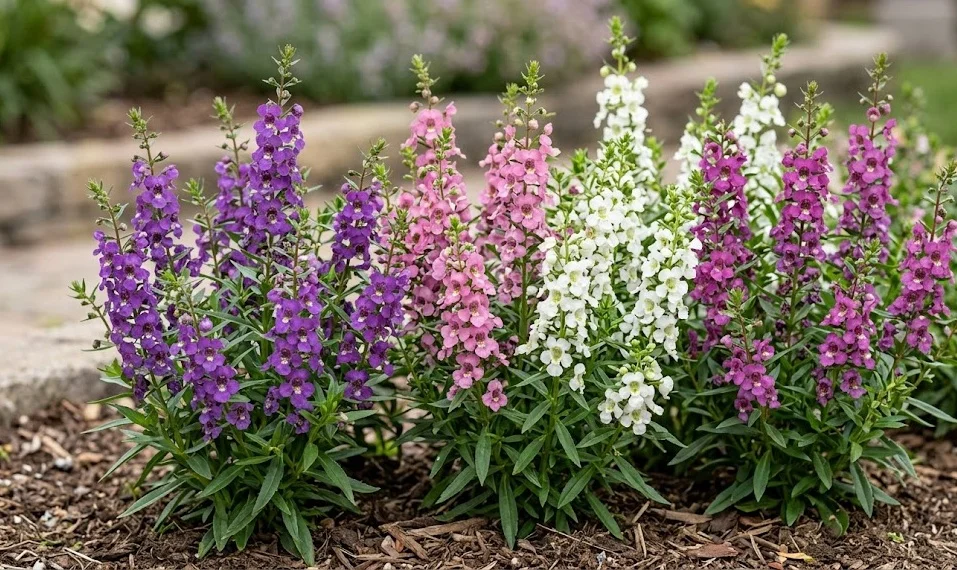

For gardeners in temperate climates, the approach of winter presents a significant challenge for maintaining the narrowleaf angelonia. Although it is technically a perennial in its native tropical habitat, it is most commonly treated as an annual because it cannot survive freezing temperatures. However, with the right professional techniques, it is possible to preserve your favorite specimens through the cold months and give them a head start for the following spring. This article explains the methods for overwintering these plants both as active indoor plants and through careful propagation.
The first step in a successful overwintering strategy is to understand the temperature thresholds that the plant can tolerate. Narrowleaf angelonia will begin to show signs of stress when the nighttime temperatures consistently drop below ten degrees Celsius. A hard frost will typically kill the foliage and the root system of any plant left outdoors without protection. Therefore, you must make a decision about your overwintering plan well before the first frost is predicted for your specific geographic region.
Choosing which plants to save is a strategic decision that can save you time and space in your indoor gardening area. It is usually best to select only the healthiest and most vigorous specimens that have shown exceptional flower production or a particularly desirable growth habit. Any plants that have struggled with pests or diseases during the summer should be discarded to avoid bringing those problems indoors. By focusing your efforts on the best performers, you ensure that your work during the winter will result in high-quality plants for the next season.
Preparation is key to ensuring that the transition from the outdoors to an indoor environment is as smooth as possible for the plants. This involves a thorough inspection for pests, a gradual acclimation to lower light levels, and perhaps a strategic pruning to make the plants more manageable. Moving a plant directly from the full sun of a garden bed to the dry, low-light conditions of a house can be a major shock. Following a professional transition protocol will significantly increase the survival rate of your overwintered angelonia.
Moving mature plants indoors
If you decide to bring entire plants indoors, you should start by lifting them carefully from the garden bed or preparing their containers for the move. For plants in the ground, dig a wide circle around the base to preserve as much of the root system as possible, then place them in a appropriately sized pot with fresh potting mix. It is essential to use sterile soil to avoid introducing garden pests or pathogens into your indoor environment. Once potted, water the plants thoroughly and place them in a shaded outdoor spot for a few days to begin their adjustment.
More articles on this topic
The indoor environment is vastly different from the outdoors, particularly in terms of light intensity and atmospheric humidity. You should place your overwintering angelonia in the brightest possible spot, such as a south-facing window or under professional-grade grow lights. Without sufficient light, the plant will become leggy and weak, making it more susceptible to indoor pests like spider mites. Keep the plants away from cold drafts or heating vents, which can cause rapid temperature fluctuations and excessive drying of the foliage.
Watering during the winter months requires a much more careful hand than during the active growing season of the summer. Because the plant’s metabolism slows down in lower light and cooler temperatures, it will need significantly less water than it did outdoors. Allow the top few centimeters of soil to dry out completely before providing a light watering, and never let the pot sit in standing water. Overwatering in the winter is the most common cause of death for indoor plants, as it quickly leads to root rot in the stagnant soil.
Fertilization should be stopped entirely during the darkest months of the winter to allow the plant to rest. Feeding a plant that is not actively growing can lead to a buildup of salts in the soil and can stimulate weak, spindly growth that is not desirable. You can resume a light feeding schedule in late February or early March as the days begin to lengthen and you see the first signs of new growth. This dormant period is a natural part of the plant’s lifecycle and helps it build up the energy needed for a vigorous spring revival.
Overwintering through vegetative cuttings
Many professional gardeners find that overwintering small cuttings is much more efficient and successful than trying to save large, mature plants. Cuttings take up very little space, are easier to keep healthy indoors, and result in brand-new plants that are often more vigorous than the originals. To do this, take several ten-centimeter cuttings from the healthy tips of your plants in late summer or early autumn. Follow the standard propagation techniques of using rooting hormone and a sterile, well-draining medium to establish the new roots.
More articles on this topic
Once the cuttings have rooted, they can be grown in small pots on a sunny windowsill or under a simple grow light setup. Because they are young and actively growing, they will need a bit more attention than a mature dormant plant, but their small size makes them very easy to manage. Keep the soil consistently moist but not soggy, and pinch back the tips occasionally to encourage a bushy, compact growth habit. This maintenance ensures that by the time spring arrives, you will have a collection of healthy, well-branched starts ready for the garden.
The main advantage of this method is the ability to produce a large number of plants from a single parent specimen without the need for a greenhouse. You can easily keep a dozen or more cuttings in the space that one large overwintered pot would occupy. This allows you to maintain a diverse collection of colors and varieties even if you have limited indoor space. Furthermore, the young plants produced from cuttings are generally more resilient and adapt more quickly to the outdoor environment once the weather warms up.
Monitoring for pests is especially important when keeping cuttings indoors, as the warm, still air of a house is a paradise for insects like whiteflies and aphids. Inspect your young plants weekly, paying close attention to the undersides of the leaves where many pests like to hide. If you spot any issues, treat them immediately with a gentle insecticidal soap or neem oil spray to prevent the problem from spreading to your other plants. Keeping your overwintering area clean and well-ventilated will also help to discourage pest outbreaks and fungal issues.
Managing the dormant and semi-dormant phase
During the core of the winter, your narrowleaf angelonia will enter a phase where it produces very little, if any, new growth. It is important to accept this lack of activity as a normal part of the overwintering process rather than a sign of poor health. Resist the urge to “help” the plant by adding more water or fertilizer, as this will likely do more harm than good during this sensitive time. Your primary role is to provide a stable, stress-free environment where the plant can simply exist until the return of the sun.
Air quality and humidity can be a challenge in many homes during the winter, as heating systems tend to dry out the air significantly. While angelonia is relatively tough, extreme dryness can lead to the loss of leaves and can encourage the development of spider mites. You can increase the local humidity by placing the pots on a tray of pebbles filled with water or by using a small room humidifier nearby. Misting the leaves occasionally can also help, though you should be careful not to over-do it and create a fungal problem.
If you notice the plant dropping some of its older leaves, do not panic, as this is a common response to the lower light levels of winter. As long as the stems remain green and firm, the plant is still alive and will likely recover once conditions improve in the spring. Remove any fallen leaves from the surface of the soil to maintain good sanitation and prevent the growth of mold. Keeping the area tidy is a simple but effective professional practice that helps ensure the health of your overwintering collection.
In late winter, as the days begin to noticeably lengthen, you may see the first tiny buds of new growth appearing along the stems. This is the signal that the plant is beginning to wake up and will soon be ready for more active care. At this point, you can gradually increase the frequency of watering and introduce a very dilute liquid fertilizer to support the new development. This transition period is the bridge between the dormant winter months and the exciting growth of the upcoming spring season.
Reintroducing plants to the garden in spring
The final stage of the overwintering process is the reintroduction of your plants to the outdoor environment, a process known as hardening off. This must be done slowly and carefully to avoid shocking the plants with sudden exposure to direct sun, wind, and fluctuating temperatures. Start by placing the pots in a sheltered, shady spot for just an hour or two on a mild day, then bring them back inside. Gradually increase the duration and the intensity of the exposure over the course of seven to ten days.
It is vital to wait until all danger of frost has passed and the soil has warmed up before permanently planting your overwintered angelonia in the ground. Even if the days are warm, a single cold night can undo all of your hard work from the previous months. Check your local weather records and wait for a consistent trend of warm nighttime temperatures before making the final move. Professionals often wait a week or two longer than the average last frost date just to be certain that the plants will be safe.
Once the plants are back in their garden beds, they may take a few weeks to fully adjust and begin their rapid summer growth. You can help them along by providing a balanced fertilizer and ensuring they stay well-hydrated during this second establishment phase. You might notice that the overwintered plants bloom much earlier than newly purchased nursery starts, giving your garden an early splash of color. This head start is one of the greatest rewards for the time and effort you invested in their winter care.
Reflecting on your overwintering experience will help you refine your techniques for the following year. Take note of which varieties survived the best and which methods yielded the strongest plants for your specific indoor conditions. Gardening is a lifelong journey of discovery, and mastering the art of overwintering is a significant milestone for any serious enthusiast. With these professional strategies, you can enjoy the beauty of the narrowleaf angelonia year after year, regardless of the winter cold.