
Sunlight is the primary source of energy for all plants, but the narrowleaf angelonia has a particularly high demand for intense, direct illumination to perform its best. As a species native to the sun-drenched regions of Central and South America, it has evolved to thrive in conditions that would cause many other plants to wither. Understanding the technical aspects of how light affects its growth and flowering is essential for anyone looking to cultivate a professional-grade display. This article explores the specific lighting needs of this remarkable species and how to manage them in various garden settings.
In the world of horticulture, the narrowleaf angelonia is classified as a “full sun” plant, which technically means it requires at least six to eight hours of direct sunlight every day. This light exposure is the driving force behind the production of the carbohydrates the plant needs to build strong stems and numerous flower spikes. If the plant receives less than the required amount of light, its physiological processes will slow down, resulting in a less impressive garden presence. Providing the maximum possible light is the most important factor in achieving a lush and vibrant carpet of color.
The quality and intensity of the light are just as important as the duration of the exposure when it comes to the health of this species. Morning sun is generally less intense and cooler than the harsh rays of the mid-afternoon, which can sometimes be a factor in very hot climates. However, the angelonia is exceptionally heat-tolerant and can usually handle even the strongest afternoon sun without significant issues. In fact, many professionals find that the most intense light results in the most saturated flower colors and the most compact growth habits.
Positioning your plants strategically within the landscape is the key to meeting their light requirements while balancing other aesthetic and practical considerations. You must account for the movement of the sun throughout the day and the shadows cast by buildings, trees, or other large structures. A spot that seems sunny in the early spring might be shaded by a leafy canopy later in the summer, so careful observation is necessary. By prioritizing light access in your garden plan, you set the stage for a successful and high-performing display of narrowleaf angelonia.
The impact of light on growth and flowering
Light levels have a direct and measurable impact on the physical structure and architecture of the narrowleaf angelonia. In high-light environments, the plant remains compact and sturdy, with short distances between the leaf nodes, known as internodes. This results in a dense, bushy appearance that is highly prized in ornamental gardening because it provides a more solid mass of color. When light is insufficient, the plant will “stretch” toward the nearest source, leading to long, weak stems that may flop over under the weight of their own flowers.
More articles on this topic
The production of flowers is also intimately linked to the amount of light the plant receives during its active growth phase. Light triggers the hormonal changes within the plant that signal it to shift energy from leaf production to flower development. In shady conditions, the angelonia may produce plenty of green foliage but very few, if any, of its characteristic summer blooms. To ensure a continuous and heavy flush of flowers from June through September, you must provide the plant with the high-energy environment it craves.
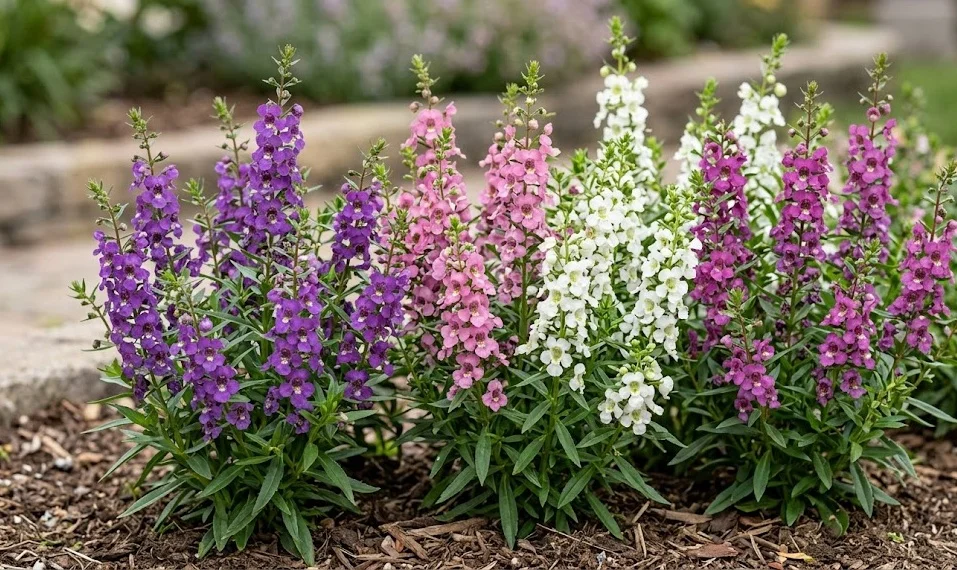
Color intensity in both the leaves and the blossoms is another professional metric that is influenced by the quality of light. Intense sunlight encourages the production of pigments that protect the plant’s tissues from UV damage while also making the flowers appear more vibrant to our eyes. In lower light, the colors may appear washed out or pale, reducing the overall visual impact of your garden design. If you want those deep purples and bright whites to truly pop, you need to ensure they are getting plenty of direct solar radiation.
Finally, light plays a crucial role in the plant’s ability to manage moisture and resist diseases like powdery mildew. Bright sun and the associated warmth help to dry the foliage quickly after rain or dew, which is a natural deterrent for many fungal pathogens. Shady areas tend to remain damp for much longer, creating a microclimate that is much more favorable to the spread of disease. By choosing a sunny location, you are not only promoting growth but also providing a fundamental layer of protection for the plant’s long-term health.
Managing shade and marginal lighting conditions
While full sun is the ideal, many gardens have areas of “partial shade” where the light is filtered or limited to only a few hours a day. In these marginal conditions, the narrowleaf angelonia can still survive, but its performance will be significantly reduced compared to its full-sun counterparts. You might notice that the plants grow more slowly and that the flower spikes are less dense and more spread out along the stem. If you must plant in a less-than-ideal spot, choosing the brightest possible variety and providing extra care can help to mitigate some of the negative effects.
More articles on this topic
Technically, “dappled shade” from a high-canopy tree is often more acceptable than “deep shade” cast by a solid wall or building. Dappled light allows for bursts of direct sun to reach the leaves throughout the day, providing at least some of the energy needed for photosynthesis. If you are planting under trees, try to prune the lower branches to allow as much light as possible to reach the ground. This “limbing up” technique is a common professional practice for improving the light environment in established landscapes without removing valuable trees.
In areas where light is limited, you may need to adjust your watering and fertilization routines to avoid overwhelming the plant’s slower metabolism. A plant in the shade does not process water or nutrients as quickly as one in the sun, so it is much easier to accidentally overwater or over-fertilize it. Be particularly careful to check the soil moisture before irrigation and use a lighter hand when applying nutrients to shaded specimens. Monitoring the plant’s response will help you find the right balance for these more challenging growing conditions.
If you find that your angelonia is struggling significantly due to lack of light, it may be better to move it to a sunnier location rather than trying to force it to grow in the shade. These plants are relatively easy to transplant even during the growing season if you take enough of the root ball and provide plenty of water during the transition. A move to a brighter spot can often lead to a dramatic improvement in health and flowering within just a few weeks. Knowing when to admit that a location is not working is a sign of a truly expert and adaptable gardener.
Light considerations for indoor and container growth
When growing narrowleaf angelonia in containers on porches or balconies, the surrounding structures can often create complex patterns of light and shadow. A balcony that faces north may never receive direct sun, making it an unsuitable location for this sun-loving species. Conversely, a south-facing spot might be so intense that the containers dry out in just a few hours, requiring a more intensive watering schedule. Understanding these dynamics is essential for successfully integrating these plants into your outdoor living spaces.
For those who wish to keep their plants indoors during the winter or start them from seeds early in the year, artificial lighting is almost always a necessity. Standard household light bulbs do not provide the full spectrum of light that plants need for photosynthesis and are generally too weak to be effective. Professional-grade LED or fluorescent grow lights are designed to mimic natural sunlight and provide the specific wavelengths required for healthy growth. Positioning the lights just a few centimeters above the plants ensures they receive the maximum possible intensity without the risk of heat damage.
The duration of the light cycle, or photoperiod, is also an important technical factor to consider when using artificial lights. To mimic the long days of summer, you should keep your grow lights on for fourteen to sixteen hours a day, followed by a period of darkness. This consistent cycle helps to regulate the plant’s internal clock and promotes steady growth and eventual flowering. Using an inexpensive plug-in timer can automate this process, ensuring that your plants receive the exact amount of light they need every single day.
Finally, remember that light can also be reflected from nearby surfaces, which can sometimes provide a small boost to plants in marginally lit areas. Light-colored walls, mirrors, or even specialized reflective mulches can bounce sunlight back onto the undersides of the leaves and into the center of the plant. While this is not a substitute for direct sun, it can be a useful professional trick for squeezing a little more performance out of a difficult spot. By considering all the ways that light enters and moves through your garden, you can optimize the environment for your narrowleaf angelonia and enjoy a truly spectacular display.