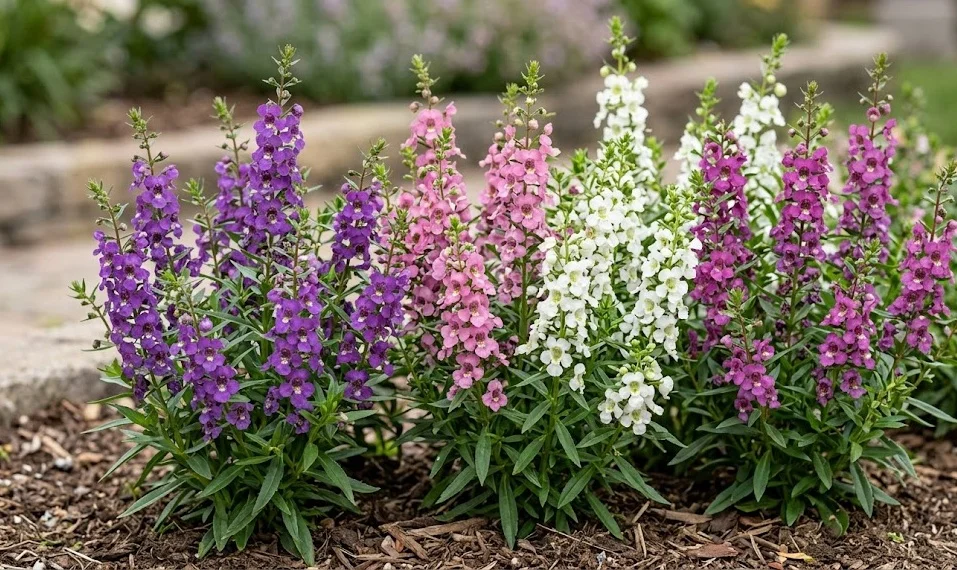

Mastering the art of pruning is what separates a casual gardener from a professional who maintains a pristine and productive landscape. For the narrowleaf angelonia, regular cutting back is not just about aesthetics; it is a vital practice that stimulates new growth and extends the blooming season. By understanding the plant’s growth habits and knowing exactly when and how to intervene, you can ensure a continuous display of vibrant flowers until the first frost. This article details the expert techniques for pruning this resilient species to keep it looking its best all summer long.
Pruning serves several technical functions that contribute to the overall health and vigor of the plant. It helps to maintain a manageable size and shape, preventing the plant from becoming too leggy or sprawling over its neighbors in the garden bed. Furthermore, by removing old or damaged tissue, you improve air circulation and light penetration into the center of the plant, which reduces the risk of disease. A well-pruned angelonia is not only more beautiful but also structurally stronger and more resilient to environmental stressors like wind and heavy rain.
Deadheading is the most common form of pruning and involves the removal of spent flower spikes before they can develop seeds. When a plant produces seeds, it directs a significant amount of its energy away from the production of new flowers and into the maturation of the offspring. By intercepting this process, you trick the plant into staying in its reproductive phase for much longer, resulting in many more blossoms over the course of the season. This simple task is the secret to the never-ending carpet of color that professional gardens are known for.
Timing and technique are the two most important factors to consider when you pick up your pruning shears. Pruning at the wrong time or using improper cuts can stress the plant and temporarily halt its flower production. However, when done correctly, the plant will respond with a flush of new, healthy growth within just a few days. This guide will walk you through the specific steps for different types of pruning, from light maintenance to a more significant mid-season rejuvenation.
The technical process of deadheading
To deadhead your narrowleaf angelonia effectively, you should wait until the individual flowers on a spike have mostly faded and the stem begins to look tired. Follow the flower spike down to where it meets the first set of healthy leaves or a new lateral bud. Use a sharp, clean pair of pruning snips to make a clean cut just above the node, being careful not to damage the surrounding tissue. This precise cut encourages the plant to activate the dormant buds just below the site, which will soon grow into new, blooming stems.
More articles on this topic
A professional tip for deadheading is to perform the task regularly, perhaps once a week, rather than waiting for the entire plant to look messy. This “little and often” approach is much less stressful for the plant and ensures that there is always a fresh supply of new buds ready to open. It also keeps the garden looking neat and well-maintained at all times, which is a hallmark of an expert’s care. If you have a large number of plants, you can even use hedge shears to lightly “haircut” the tops, though individual snips are better for the plant’s health.
When you are deadheading, take the opportunity to also remove any yellowing or damaged leaves from the lower parts of the plant. This improves the visual appearance of the specimen and removes potential hiding spots for pests like aphids or spider mites. Sanitation is a key part of pruning, so always collect the trimmings and dispose of them in a compost pile or yard waste bin. Leaving dead plant material on the soil surface can provide a breeding ground for fungi and other pathogens that you want to keep away from your healthy plants.
The response to deadheading is usually quite rapid, especially during the peak of summer when the plant’s metabolism is at its highest. Within a week, you should see new green shoots emerging from the nodes where you made your cuts, and shortly after that, new flower buds will begin to form. This cycle can be repeated many times throughout the season, allowing you to enjoy a much longer period of beauty than if the plant were left to its own devices. Consistent deadheading is truly the engine that drives a high-performing angelonia display.
Mid-season rejuvenation and structural pruning
By mid-August, even the best-cared-for narrowleaf angelonia can start to look a bit “tired” or overgrown, with long, woody stems and fewer flowers at the base. This is the perfect time for a more significant rejuvenation pruning, which involves cutting the entire plant back by about one-third of its total height. While it may seem drastic to remove so much of the plant when it is still blooming, this practice will stimulate a fresh flush of growth that will last well into the autumn. This technique is often used by professional landscapers to keep summer displays looking vibrant during the transition to the late-season garden.
More articles on this topic
When performing a rejuvenation prune, try to make your cuts at varying heights to maintain a natural, rounded shape rather than a flat top. This architectural approach ensures that the new growth will fill in evenly and the plant will not look “scalped” during its recovery phase. Use larger bypass pruners if the stems have become particularly thick and woody to ensure a clean, one-handed cut that doesn’t crush the delicate internal tissues. Providing a light application of balanced liquid fertilizer immediately after pruning will give the plant the nutrients it needs to quickly rebuild its canopy.
Structural pruning can also be used early in the season to encourage a more branched and compact growth habit from the very beginning. By pinching out the growing tips of the young plants when they are about fifteen centimeters tall, you force them to produce multiple lateral branches. This results in a much fuller plant that can support more flower spikes and is less likely to flop over in the wind. Many professionals repeat this pinching process two or three times during the spring to create exceptionally dense and high-quality specimens for their displays.
Managing the overall size of the plant is another goal of structural pruning, especially in mixed containers where space is at a premium. If the angelonia starts to shade out its smaller companions, you can selectively prune back the most aggressive stems to restore balance to the arrangement. This “editing” process is an essential skill for anyone who wants to create complex and long-lasting container gardens. By being proactive and decisive with your pruning shears, you can maintain the perfect harmony between all the different elements of your garden.
Tools and hygiene for professional pruning
The quality of your pruning tools has a direct impact on the health of your plants and the speed at which they can recover from the cuts. Dull blades can tear the stems, creating ragged wounds that take longer to heal and are more susceptible to infection by opportunistic pathogens. Investing in a high-quality pair of bypass pruners and a smaller pair of precision snips will make your gardening tasks much more enjoyable and effective. Keep your tools sharp by using a whetstone or a professional sharpening service at the beginning of every growing season.
Hygiene is another critical technical aspect of pruning that is often overlooked by casual gardeners but strictly followed by professionals. Disease-causing organisms can easily be transported from one plant to another on the surface of your pruning shears. To prevent the spread of issues like viruses or bacterial blights, you should disinfect your tools between plants, especially if you suspect any health problems. A simple solution of seventy percent isopropyl alcohol or a ten percent bleach solution is highly effective for killing most common garden pathogens.
Ergonomics also play a role in professional pruning, as the repetitive motions can be taxing on your hands and wrists over a long day in the garden. Look for tools with comfortable, non-slip grips and a spring-loaded mechanism that reduces the amount of effort required for each cut. Some advanced models even feature rotating handles that move with your hand, further reducing the strain on your joints. Choosing the right tool for your own physical needs will allow you to maintain your garden more consistently and with less discomfort.
Finally, remember to always clean and oil your pruning tools at the end of each day to prevent rust and ensure they remain in top working condition. A well-maintained tool is a sign of a professional gardener who respects their equipment and the plants they care for. By following these detailed guidelines for pruning and tool maintenance, you can ensure that your narrowleaf angelonia remains a stunning focal point in your landscape for many years to come. Your dedication to the “art of the cut” will be clearly visible in the health and beauty of your thriving summer garden.