
The narrowleaf angelonia has earned its place in modern gardens as a resilient and stunning ornamental plant that thrives in heat. Often referred to as the summer snapdragon, it offers a vertical interest that few other bedding plants can match during the peak of summer. Understanding the foundational needs of this species is the first step toward achieving a lush and vibrant display. This guide explores the essential aspects of maintaining its health from the moment it is placed in the soil.
To provide the best start for your plants, you must consider the environmental conditions of your specific garden microclimate. These plants are native to tropical and subtropical regions, which means they have an inherent preference for warmth and stability. They are remarkably forgiving of beginner mistakes, yet they respond beautifully to expert attention and consistent care. By establishing a routine early in the season, you can ensure that the plants remain vigorous and productive until the first frost of autumn.
Selecting the right location is perhaps the most critical decision an enthusiast can make for their garden beds. These plants require a spot that receives unobstructed airflow to prevent the buildup of humidity around the foliage. Good air circulation acts as a natural deterrent for many common pathogens that thrive in stagnant conditions. Additionally, the surrounding soil should be prepared with organic matter to provide a stable base for the root system to expand.
Observation is a key skill for any gardener looking to master the care of this particular species. You should regularly check the stems for strength and the leaves for any signs of discoloration or wilting. Early detection of stress allows for quick adjustments in your maintenance routine before the plant’s overall health is compromised. A healthy plant will always exhibit bright green leaves and a steady production of new flower spikes throughout the growing season.
Choosing the ideal soil composition
The quality of the soil serves as the literal foundation for the success of your narrowleaf angelonia plants. They prefer a medium that is rich in organic nutrients but also allows for excellent drainage to protect the delicate roots. Heavy clay soils can be problematic because they retain too much moisture, which often leads to root decay. Incorporating compost or well-rotted manure can significantly improve the texture and nutrient profile of the planting area.
More articles on this topic
Achieving the correct pH level is another technical aspect that professional gardeners prioritize for optimal growth. This species performs best in slightly acidic to neutral soil, typically within a range of 5.5 to 6.5 on the pH scale. If your soil is too alkaline, you may notice yellowing between the leaf veins, a condition known as interveinal chlorosis. Regular testing of the soil can help you determine if amendments like sulfur are necessary to balance the acidity.
In addition to nutrient content, the physical structure of the soil influences how well the plant can access water and oxygen. Loose, loamy soil allows roots to penetrate deeply, which increases the plant’s overall stability and drought tolerance. Compaction should be avoided at all costs, especially in high-traffic areas of the garden where the ground may become hardened. If you are planting in containers, always use a high-quality potting mix designed for flowering annuals rather than garden soil.
Mulching is a highly effective technique to maintain soil quality and protect the root zone from temperature fluctuations. A layer of organic mulch, such as shredded bark or leaf mold, helps to keep the roots cool during the intense heat of mid-July. It also serves the dual purpose of suppressing weed growth and gradually breaking down to add more organic matter to the earth. Be careful not to pile mulch directly against the stems of the plant to avoid moisture-related stem rot.
Managing seasonal growth cycles
As the spring transitions into summer, the narrowleaf angelonia enters its most active phase of development. During this time, the plant focuses its energy on expanding its root system and producing the first flush of flowers. You will notice a significant increase in the speed of growth as the nights become warmer and the days get longer. It is important to support this rapid expansion with consistent resources and careful monitoring of the plant’s physical structure.
More articles on this topic
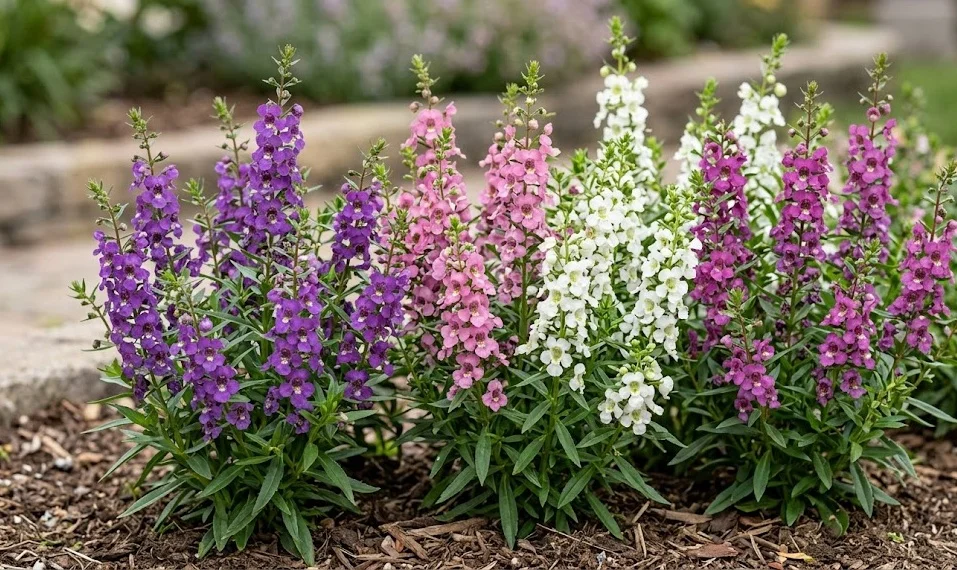
Mid-summer is the period when these plants truly shine, showcasing their ability to withstand high temperatures that would cause other flowers to wilt. This is the peak blooming period, and the plant will often be covered in spikes of purple, white, or pink blossoms. To maintain this intensity, you must ensure that the plant does not experience prolonged periods of extreme drought stress. Even though they are heat-tolerant, a lack of resources during this peak phase can lead to a reduction in flower quality.
When the cooler temperatures of late summer and early autumn arrive, the growth rate of the plant will naturally begin to slow down. The flowers may become slightly smaller, and the stems might take on a more woody appearance as the plant matures. This is a natural part of the lifecycle and does not necessarily indicate a problem with your care routine. You can still enjoy the visual appeal of the plants as they provide late-season color to the landscape.
Finally, as winter approaches, the plant will eventually succumb to freezing temperatures if it is left outdoors in temperate zones. In warmer climates, it may persist as a perennial, but in most regions, it is treated as a high-performing annual. Understanding these natural transitions allows you to plan your garden layout and maintenance schedule more effectively. Proper preparation for each season ensures that you maximize the aesthetic value of the plants throughout their entire stay in your garden.
Enhancing flower production and longevity
To keep your narrowleaf angelonia blooming profusely, you should pay attention to the development of the flower spikes. Each spike contains numerous small buds that open sequentially from the bottom to the top of the stem. Once a spike has finished blooming, the plant will naturally redirect its energy into producing seeds if it is not intervened. Removing spent flowers encourages the plant to put that energy back into creating new buds and maintaining a bushy shape.
The density of the blooms is also influenced by the overall architecture of the plant and how much light reaches the inner stems. If the plant becomes too leggy or sparse, it may produce fewer flowers at the base, leading to an unattractive appearance. Pinching back the tips of the stems early in the season can promote a more branched and compact growth habit. This increased branching creates more sites for flower spikes to develop, resulting in a much fuller and more colorful display.
Nutrition plays a vital role in the coloration and size of the flowers produced by this species. Phosphorus is an essential element that supports bloom development and root strength, so choosing a fertilizer with a balanced ratio is beneficial. If the plant receives too much nitrogen, it might produce excessive green foliage at the expense of its beautiful flowers. Striking the right balance ensures that the plant remains healthy while delivering the maximum visual impact for your garden.
Temperature stability is another factor that can influence how long the flowers remain vibrant on the stems. While these plants love heat, sudden and extreme fluctuations can sometimes cause the buds to drop prematurely. Providing a stable environment with adequate hydration helps the plant manage these external stressors more effectively. By following these professional tips, you can enjoy a continuous carpet of color that lasts from the beginning of summer until the first frost.
Container gardening and vertical displays
Narrowleaf angelonia is an exceptional candidate for container gardening, offering height and structure to mixed arrangements. When planting in pots, it is essential to use a container with multiple drainage holes to prevent water from pooling at the bottom. The confined space of a pot means that nutrients are depleted more quickly than in the ground, so more frequent feeding is required. Many professionals prefer to use slow-release fertilizers in containers to provide a steady supply of minerals over several months.
The choice of container material also affects the health of the plant, as some materials breathe better than others. Terracotta pots allow for more air exchange and moisture evaporation, which can be beneficial in humid climates but might require more frequent watering. Plastic or glazed ceramic pots retain moisture for longer periods, making them a good choice for gardeners who cannot water daily. Regardless of the material, ensure the size of the pot is large enough to accommodate the vigorous root system of the plant.
Design-wise, these plants are often used as the “thriller” component in the classic thriller-filler-spiller arrangement. Their upright growth habit provides a dramatic focal point that contrasts beautifully with mounding or trailing companion plants. You can create striking combinations by pairing them with silver-foliaged plants or trailing vines that cascade over the edge of the container. This verticality adds a sense of depth and professional design to even the smallest patio or balcony garden.
Maintenance for container-grown specimens involves regular checks of the moisture levels, as pots dry out much faster than garden beds. In the heat of summer, a container may need watering twice a day if it is exposed to direct afternoon sun. Rotating the pots occasionally ensures that all sides of the plant receive equal light, preventing it from leaning toward the sun. With the right care, container-grown angelonia can be just as impressive and long-lasting as those planted in the landscape.
Managing environmental stress factors
Every garden faces challenges, and being able to identify environmental stress in your plants is a hallmark of an expert gardener. High winds can be particularly damaging to the upright stems of the narrowleaf angelonia, potentially causing them to snap or lean. If you live in a windy area, consider planting them near a windbreak or using low-profile supports to keep the stems upright. Protecting the physical integrity of the plant is essential for maintaining its ornamental value and overall health.
Heat waves can also test the limits of even the most heat-tolerant species like the angelonia. During periods of extreme heat, the plant may temporarily slow its growth or show minor signs of wilting in the late afternoon. This is often a survival mechanism to conserve moisture, and the plant should recover overnight if the soil remains adequately moist. Providing some light afternoon shade during the most intense heatwaves can help the plant stay more comfortable and productive.
Water quality is an often-overlooked factor that can influence the health of your garden plants over time. Using water with high mineral content or excessive chlorine can lead to the buildup of salts in the soil, which can eventually damage the roots. If you notice a white crust on the surface of your soil or containers, it may be time to flush the soil with fresh, filtered water. Monitoring the health of the foliage can give you clues about whether the water supply is affecting the plant’s nutrient uptake.
Humidity levels can vary greatly depending on your geographic location, and this plant has a specific relationship with atmospheric moisture. While it originates from tropical areas, it is surprisingly adaptable to different humidity levels as long as there is adequate air movement. In very humid environments, the risk of fungal issues increases, so spacing the plants further apart is a wise preventive measure. Understanding these environmental nuances allows you to tailor your care strategies to your specific local conditions.
Achieving long-term garden success
The ultimate goal for any gardener is to create a sustainable and beautiful environment where plants can thrive for the entire season. By integrating narrowleaf angelonia into your garden plan, you are choosing a plant that is known for its reliability and high performance. Consistency in care is the most important factor in achieving professional-looking results that will impress your neighbors and guests. Small, regular efforts are much more effective than occasional, intensive sessions of maintenance or correction.
Record-keeping can be a valuable tool for improving your gardening skills from year to year. Note down the planting dates, the types of fertilizers used, and how the plants responded to different weather patterns in your journal. This information will help you refine your approach and make better decisions in future growing seasons. Professional horticulturists often rely on such data to optimize their displays and ensure consistent quality across different landscapes.
Sharing your experiences with other gardening enthusiasts can also provide new insights and tips for managing this species. Local gardening clubs and online communities are great places to discuss the performance of different cultivars and troubleshooting common issues. You might discover a new variety that is particularly well-suited to your soil type or climate. Collaboration and continuous learning are essential components of becoming a truly expert gardener in the field of ornamental horticulture.
As you conclude the growing season, take the time to appreciate the beauty and resilience that the narrowleaf angelonia brought to your space. Its ability to provide constant color with minimal fuss makes it a standout choice for both modern and traditional garden designs. By following the detailed advice provided in this guide, you have the knowledge necessary to cultivate these plants to their full potential. The rewards of a well-cared-for garden are well worth the effort and dedication required.