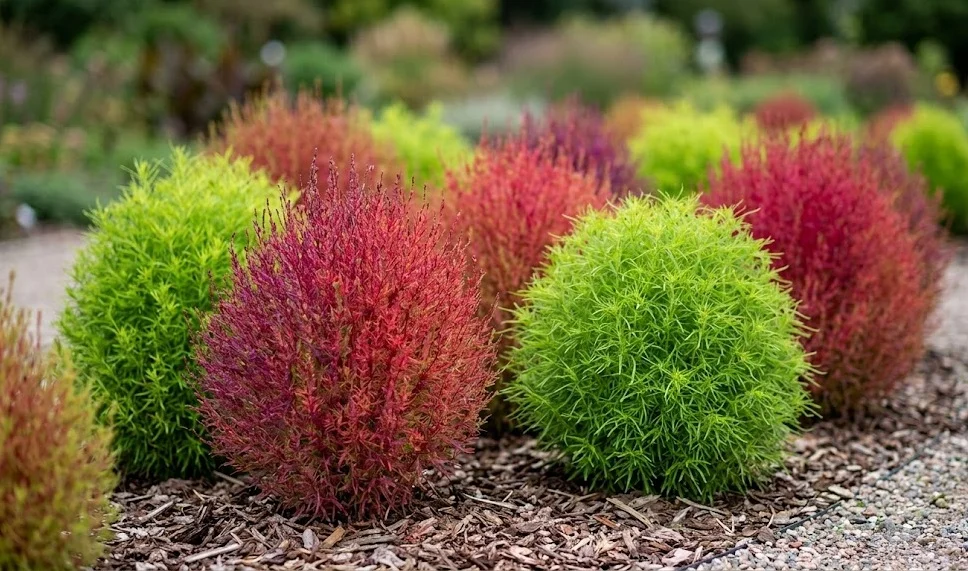

Understanding the specific water requirements of the garden burning bush is a key component of professional horticultural care. This plant is naturally adapted to arid and semi-arid regions, which gives it a significant degree of drought tolerance once it has reached maturity. However, the term “drought-tolerant” does not mean the plant can survive without water, especially during its critical early growth stages. Proper hydration ensures that the foliage remains soft and vibrant, preventing the premature woodiness that can occur under extreme water stress.
In the weeks following planting, the soil should be kept consistently moist to support the expansion of the root system. During this period, the plant is building the biological infrastructure it will need to survive the heat of mid-summer. If the soil is allowed to dry out completely during this phase, the plant may become stunted and never reach its full size. A gentle, deep watering once or twice a week is usually sufficient, depending on the local soil type and evaporation rates.
As the season progresses and the plant matures, its water needs will shift according to the ambient temperature and humidity. During periods of extreme heat, the garden burning bush may require more frequent irrigation to maintain its turgidity. You will notice that the feathery leaves may begin to look dull or slightly limp when the plant is thirsty. Responding to these visual cues quickly will prevent the plant from entering a state of permanent wilt, which can be difficult to recover from.
Overwatering is just as dangerous as underwatering, as it can lead to root rot and other fungal complications. The soil must be allowed to breathe between watering sessions, ensuring that oxygen can reach the roots. In gardens with heavy clay soil, special care must be taken to ensure that water does not sit in puddles around the base of the plant. A well-designed irrigation plan takes into account both the plant’s needs and the soil’s ability to process moisture.
Precision watering techniques
The method by which you deliver water to your plants can have a significant impact on their health and appearance. For the garden burning bush, it is highly recommended to apply water directly to the soil surface rather than using overhead sprinklers. Wetting the dense foliage can create a humid microclimate within the plant, which is an invitation for fungal pathogens to take hold. Using a soaker hose or a drip irrigation system is the most efficient way to keep the roots hydrated while keeping the leaves dry.
More articles on this topic
Timing your watering sessions can also maximize the efficiency of the hydration process. Watering in the early morning is ideal because it allows any moisture that does get on the leaves to evaporate quickly as the sun rises. It also ensures that the plant has a full reservoir of water to draw upon during the hottest part of the day. If morning watering is not possible, late afternoon is the next best option, provided there is enough time for the foliage to dry before nightfall.
Deep watering encourages the plant to grow a deep and resilient root system, which is essential for its long-term stability. Instead of providing frequent, shallow sprinkles, it is better to provide a thorough soaking that penetrates several inches into the ground. This forces the roots to grow downward in search of moisture, making the plant much more capable of surviving a dry spell. The goal is to create a robust plant that can stand on its own without constant intervention.
During the late summer transition, as the plant begins to change color, you can gradually reduce the frequency of watering. This slight reduction mimics the natural drying cycle of the season and can actually help intensify the autumn hues. However, do not cut off water entirely, as the plant still needs a basic level of hydration to complete its lifecycle. Finding the balance between “enough” and “too much” is an art that comes with observing the plant over several seasons.
Nutrient requirements
While the garden burning bush is not considered a high-maintenance feeder, it does benefit from a targeted nutritional strategy. The primary goal of fertilization for this species is to support the development of lush, dense foliage without causing excessive, weak growth. Nitrogen is the most important element during the early and mid-summer months, as it fuels the rapid expansion of the green stems and leaves. However, an over-reliance on nitrogen can lead to a plant that is structurally unstable and prone to flopping.
More articles on this topic
Phosphorus and potassium are also necessary for the overall health of the plant, contributing to root development and cellular strength. A balanced, slow-release fertilizer applied at the time of planting is often enough to sustain the plant through most of the season. This approach provides a steady stream of nutrients that matches the plant’s natural growth rate. If you prefer organic methods, a well-aged compost or a light application of fish emulsion can provide excellent results.
The timing of fertilizer application is just as important as the type of nutrients provided. Most experts recommend a single application in the late spring or early summer when the plant is entering its most active growth phase. If the soil is particularly poor, a second, lighter application can be made in mid-July. Avoid fertilizing after the end of July, as the plant needs to begin preparing for its autumn transition rather than producing new, tender green growth.
Observation is the best tool for determining if your plants need additional nutrients during the season. If the growth seems abnormally slow or the leaves appear pale and yellowish despite proper watering, a nutrient deficiency may be the cause. Conversely, if the plant is growing at an incredible rate but seems thin and unable to support its own weight, you may have over-fertilized. Adjusting your routine based on the plant’s feedback will ensure a healthy and attractive specimen.
Fertilizer types
Choosing the right type of fertilizer for your garden burning bush depends on your gardening philosophy and the specific needs of your soil. Granular fertilizers are popular because they are easy to apply and provide a long-lasting source of nutrition. These are typically worked into the top inch of soil around the plant and then watered in thoroughly. For the burning bush, a balanced ratio such as 10-10-10 or a slightly nitrogen-heavy formula like 15-10-10 is often recommended.
Liquid fertilizers offer a more immediate boost and can be useful if a plant is showing signs of acute nutrient stress. Because they are delivered in a water-soluble form, the roots can absorb them almost instantly. However, the effects are short-lived, and frequent applications may be required to maintain the same level of growth. If using liquid feeds, always follow the manufacturer’s instructions for dilution to avoid the risk of chemical burns to the sensitive root hairs.
Organic options, such as composted manure or alfalfa meal, are excellent for long-term soil health. These materials not only provide essential nutrients but also improve the soil structure and encourage beneficial microbial activity. While the nutrient release is slower than with synthetic fertilizers, the benefits to the overall garden ecosystem are significant. Many professional gardeners find that a combination of organic soil preparation and supplemental synthetic feeding produces the best results.
Specialized fertilizers designed for foliage plants can also be used to enhance the appearance of the garden burning bush. These often contain micronutrients like iron and magnesium, which help maintain the deep green color of the leaves. While not strictly necessary in most garden soils, these additions can be the difference between a good plant and a show-stopping specimen. Regardless of the type chosen, consistency and moderation are the keys to a successful feeding program.
Avoiding toxicity
One of the most common mistakes in caring for the garden burning bush is the over-application of fertilizers, leading to nutrient toxicity. This can manifest as “fertilizer burn,” where the edges of the leaves turn brown and crispy, or as distorted, stunted growth. Excess salts from synthetic fertilizers can build up in the soil over time, drawing moisture away from the roots and causing the plant to dehydrate. If you suspect toxicity, flushing the soil with large amounts of clean water can help wash away the excess minerals.
Nitrogen toxicity specifically can cause the plant to produce massive amounts of foliage at the expense of structural integrity. These “soft” plants are much more susceptible to damage from wind, rain, and insect attacks. Furthermore, excessive nitrogen late in the season can interfere with the chemical triggers that cause the plant to turn red in the fall. To ensure the best autumn display, it is vital to let the nutrient levels in the soil naturally decline as the season comes to an end.
The health of the surrounding environment should also be a consideration when applying fertilizers in the garden. Runoff from over-fertilized beds can enter local waterways, contributing to algae blooms and other ecological issues. By using slow-release formulas and applying only what the plant actually needs, you can minimize your environmental footprint. Precision in application is not only good for your plants but also for the wider landscape.
Finally, always ensure that the soil is moist before applying any type of concentrated fertilizer. Applying chemicals to a thirsty plant can cause immediate shock and damage to the root system. Watering the day before you plan to fertilize creates a buffer that allows the nutrients to be absorbed more gently. By following these professional safety protocols, you can enjoy all the benefits of fertilization without the risks of toxicity or environmental harm.