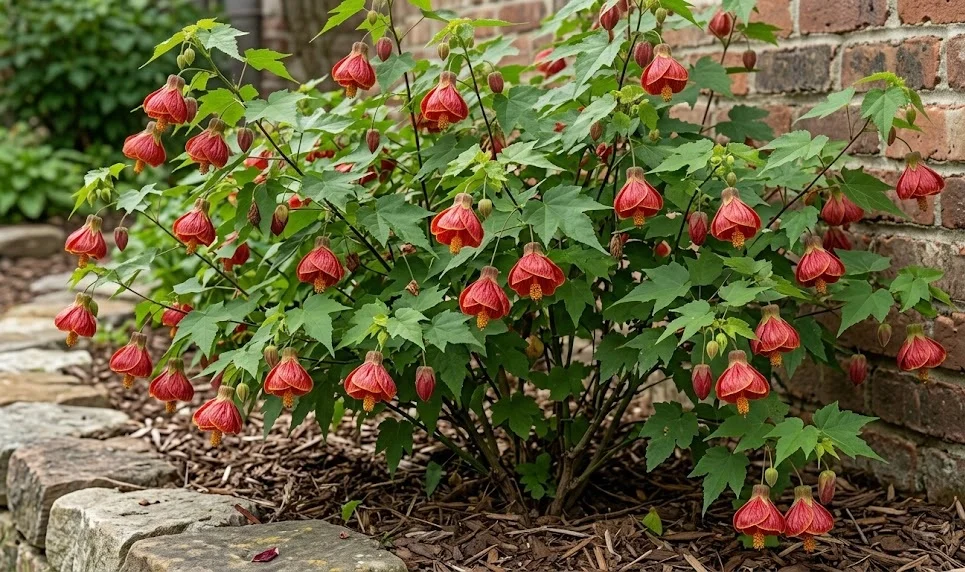

Strategic pruning is an essential skill for anyone wishing to maintain the structural integrity and ornamental beauty of the garden flowering maple. This practice serves multiple purposes, from controlling the size and shape of the shrub to encouraging a more prolific and long-lasting display of flowers. Because this species grows relatively quickly, regular intervention is necessary to prevent it from becoming unmanageable or aesthetically unpleasing. By understanding the timing and techniques of cutting back, you can ensure your plant remains a vibrant and healthy centerpiece in your garden.
Essential tools and timing
The success of any pruning task begins with the use of the correct tools, which must be sharp, clean, and well-maintained. For the relatively soft stems of the flowering maple, a pair of high-quality bypass pruners is usually the most effective and precise option. Using dull blades can crush the delicate tissues, creating jagged wounds that are much more susceptible to infection and take longer to heal. Always take a moment to sterilize your tools with alcohol or a weak bleach solution before you start, especially if you have been working on other plants recently.
Timing is the next critical factor to consider, as pruning at the wrong time can accidentally remove developing flower buds or expose the plant to cold damage. The most important pruning session typically takes place in the late winter or very early spring, just as the plant is beginning to wake from its dormancy. This allows the plant to put all its early-season energy into the new growth that you have strategically encouraged through your cuts. Pruning at this time also gives you a clear view of the plant’s structure before it is hidden by a full canopy of leaves.
Light maintenance pruning can also be performed throughout the growing season to keep the plant tidy and remove any stray or overly long branches. This “tipping” or “pinching” involves simply removing the very ends of the growing shoots to stimulate lateral branching and a bushier habit. During the summer, you can also remove any dead, damaged, or diseased wood as soon as you notice it to maintain the plant’s health. However, avoid heavy structural pruning late in the autumn, as this can stimulate new growth that won’t have time to harden off before the winter frosts.
Understanding how the plant responds to different types of cuts will help you achieve the specific results you are looking for. A “heading cut,” which removes part of a branch back to a leaf node, will stimulate several new shoots to grow from just below the cut. A “thinning cut,” which removes an entire branch back to its point of origin, is used to open up the center of the plant and improve air circulation. By combining these two techniques, you can manage both the overall size of the shrub and the density of its foliage.
More articles on this topic
Structural and maintenance techniques
When performing the main spring pruning, the first priority should be to remove the “three Ds”: dead, damaged, and diseased wood. These branches offer no benefit to the plant and can serve as entry points for pathogens if left in place. Cut these stems back to healthy, green wood, making the cut at a slight angle to allow water to run off the wound. This simple cleanup immediately improves the appearance of the shrub and allows you to focus on the more creative aspects of shaping.
Next, look for any branches that are crossing each other or growing toward the center of the plant, as these can cause rubbing and reduce air circulation. Removing these “congested” stems helps to create a more open, vase-like structure that allows light to reach the interior of the canopy. This improved light penetration ensures that the lower branches remain healthy and productive rather than becoming bare and leggy. A well-spaced framework of branches is much more resilient to wind and less likely to harbor pests.
To encourage a more floriferous display, you can cut back the previous year’s growth by about one-third to one-half of its length. Because the flowering maple produces its blooms on the current season’s wood, this practice stimulates the production of many new flowering shoots. Be sure to make your cuts just above an outward-facing leaf node, which will encourage the new growth to expand outward rather than inward. This technique keeps the plant compact and ensures that the bell-shaped flowers are well-distributed across the entire shrub.
If your plant has become particularly old and sparse, you might consider a more radical approach known as rejuvenation pruning. This involves cutting the entire plant back to within a few inches of the ground, which triggers a powerful surge of new growth from the base. While it can be a shock to see the plant so diminished, most healthy specimens will respond with vigorous, fresh stems that create a much more attractive plant within a single season. This is best done in early spring and should be followed by consistent watering and light fertilization to support the rapid regrowth.
More articles on this topic
Rejuvenation and seasonal finishing
The final phase of pruning is often about the small details that make a big difference in the plant’s overall presentation. Deadheading, or removing spent flowers before they can form seed pods, is a simple task that pays dividends in a longer blooming season. By preventing the plant from investing energy in seed production, you encourage it to keep producing new flower buds for your enjoyment. This also keeps the plant looking tidy and prevents the mess of fallen, decaying petals on the foliage below.
As the growing season progresses, you may find that the plant becomes slightly top-heavy or begins to lean in one direction. Lightly trimming the most vigorous shoots can help restore balance and prevent the stems from snapping under their own weight. This is also the time to remove any “suckers”—thin, weak shoots that grow directly from the base of the plant and sap energy from the main structure. Keeping the base of the plant clean and clear helps emphasize the elegant form of the primary stems.
In the late summer, a final light tidying up can help prepare the plant for the transition into the cooler months. Avoid any heavy cutting at this stage, as you want the plant to focus on maturing its current wood rather than producing new, soft growth. Simply remove any broken stems or unsightly yellowing leaves to keep the specimen looking its best as it enters the autumn. This minimal approach respects the natural cycle of the plant and ensures it is in the best possible condition for overwintering.
Ultimately, pruning is as much an art as it is a science, and every plant will respond slightly differently to your touch. Don’t be afraid to experiment with different shapes and levels of intensity as you get to know your specific flowering maple. With a bit of practice and observation, you will develop a sense of how to guide the plant’s growth to match your garden’s aesthetic. The reward for your attentive pruning is a healthy, well-structured shrub that produces a stunning display of color year after year.