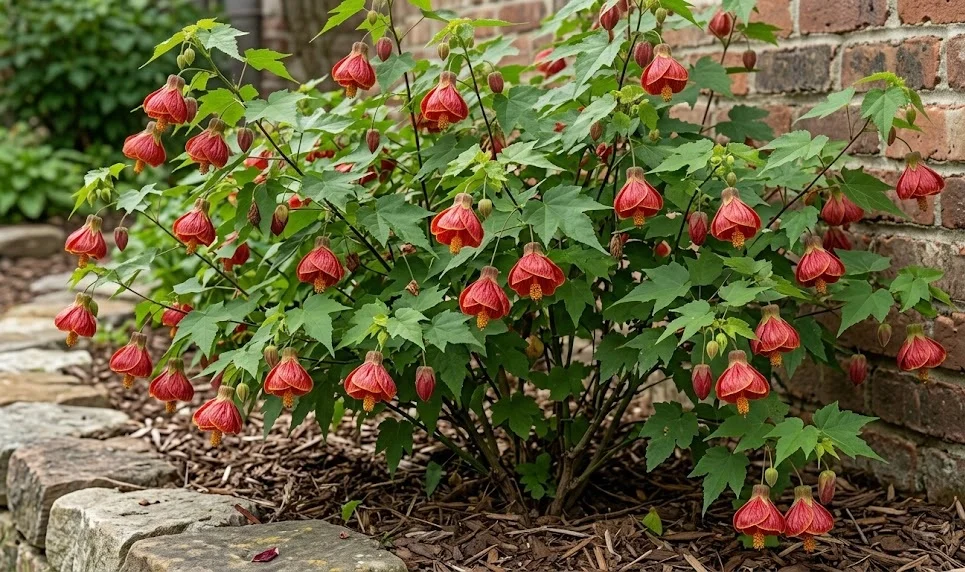

Understanding the specific light needs of the garden flowering maple is the foundation of a successful cultivation strategy. This plant occupies a unique niche, requiring high levels of brightness to fuel its prolific blooming while remaining sensitive to the intense heat of direct midday sun. Achieving the perfect balance of light ensures the foliage remains a deep, healthy green and the stems grow strong and compact. When the lighting conditions are optimized, the plant produces an abundance of its characteristic bell-shaped flowers, creating a truly stunning visual impact.
Ideal exposure and intensity
The most favorable environment for this species is one that provides bright, filtered light for the majority of the day. In many gardens, this translates to a spot that receives direct morning sun but is shielded from the harsh intensity of the afternoon rays. This “partial shade” or “dappled sunlight” mimics the natural woodland edge habitat where the ancestral species evolved. Such a location allows for high rates of photosynthesis without the risk of overheating the delicate leaf tissues or drying out the soil too rapidly.
If the plant is grown in a location that is too shaded, you will notice a distinct change in its growth habit and overall performance. The stems will often become “leggy” as they stretch toward the nearest light source, and the internodes between the leaves will become much longer. This results in a sparse, unattractive appearance and a significant reduction in the number of flower buds the plant can produce. In extreme cases of light deficiency, the plant may stop flowering altogether and become much more susceptible to pests and diseases.
Conversely, exposing the plant to full, unshielded sun all day can be equally detrimental, especially in hotter climates or during heatwaves. The large, soft leaves are prone to sunscald, which appears as pale, bleached patches that eventually turn brown and crispy. Intense light also increases the rate of transpiration, making it very difficult to keep the plant adequately hydrated even with frequent watering. Finding a spot that offers protection during the hottest part of the day is the best way to maintain the plant’s health and aesthetic appeal.
For those growing these shrubs indoors or in a conservatory, placing them near a large window is essential to provide enough light. A south or west-facing window is usually the best choice, provided there is a light curtain or some other form of shading during the peak of the day. Periodically rotating the pot ensures that all sides of the plant receive an equal amount of light, preventing it from leaning toward the glass. Monitoring the plant’s reaction to its indoor lighting will tell you if you need to move it closer to the window or provide supplemental grow lights.
More articles on this topic
Symptoms of light-related stress
The garden flowering maple is very expressive when its light requirements are not being met, using its leaves and growth patterns to signal its needs. As mentioned, a plant that is not getting enough light will grow tall and thin, a condition known as etiolation. You might also see that the leaves are larger and thinner than usual as the plant tries to maximize its surface area for light capture. If you notice these signs, it is a clear indication that the specimen should be moved to a brighter location.
On the other hand, the first sign of excessive light is often a subtle change in the color of the foliage. Leaves may start to look slightly yellow or “washed out” rather than the deep, vibrant green that is characteristic of a healthy plant. If the intensity is not reduced, this can quickly progress to genuine sunscald and physical damage to the leaf cells. Moving the plant just a few feet into a more sheltered spot can often halt this process and allow the new growth to emerge healthy and strong.
Light also plays a critical role in the timing and abundance of the flowering cycle, as many plants use day length to trigger their reproductive phase. If your flowering maple is growing vigorously but refuses to produce any buds, the quality or duration of light may be the culprit. Ensuring the plant receives a consistent and adequate amount of brightness throughout the day is the most effective way to stimulate the production of those beautiful bell-shaped flowers. Sometimes, simply thinning out nearby vegetation that is casting too much shade can make a world of difference.
Sudden changes in light intensity can also cause a shock response, where the plant drops a significant portion of its leaves or buds. This often happens when a plant is moved directly from a dark indoor spot to a bright outdoor garden without a period of acclimation. To avoid this, always transition your plants gradually, increasing their light exposure over the course of a week or two. This “hardening off” process allows the internal structures of the leaves to adjust safely to the higher energy levels of the outdoor sun.
More articles on this topic
Managing seasonal light variations
The intensity and duration of natural light change significantly as the seasons progress, requiring the gardener to adjust their care accordingly. In the spring, as the sun becomes stronger and the days grow longer, the plant will naturally increase its growth rate. This is the time to ensure that any winter coverings or shading are gradually removed to allow the plant to take full advantage of the increasing energy. Providing maximum light during this early phase helps build a strong foundation for the coming flowering season.
During the height of summer, the primary challenge is managing the excessive heat and intensity that often accompany the brightest months. This may involve providing temporary shading during the hottest part of the day or moving container plants to a more sheltered location. Keeping the soil consistently moist during this period helps the plant manage the heat, as the evaporation of water from the leaves provides a natural cooling effect. It is a delicate balance of providing enough light for blooms while preventing the plant from becoming heat-stressed.
As autumn approaches and the sun’s path becomes lower in the sky, you may find that spots that were perfectly shaded in summer are now receiving more direct light. Conversely, some areas may become too shaded as nearby deciduous trees hold onto their leaves while the sun fades. Being aware of these shifting light patterns allows you to make small adjustments to the plant’s position to keep it in its “sweet spot.” This proactive management ensures that the plant remains productive for as long as possible before the winter dormancy sets in.
In the winter, when light levels are at their lowest, the goal is to provide as much brightness as possible to help the plant survive its rest period. If the plant is indoors, it should be in the sunniest spot available, even if that means direct winter sun, which is much less intense than summer light. Using artificial grow lights can be a very effective way to supplement the short, often cloudy days of winter and keep the plant healthy. This extra light helps maintain the plant’s internal clocks and makes for a much stronger recovery once spring returns.