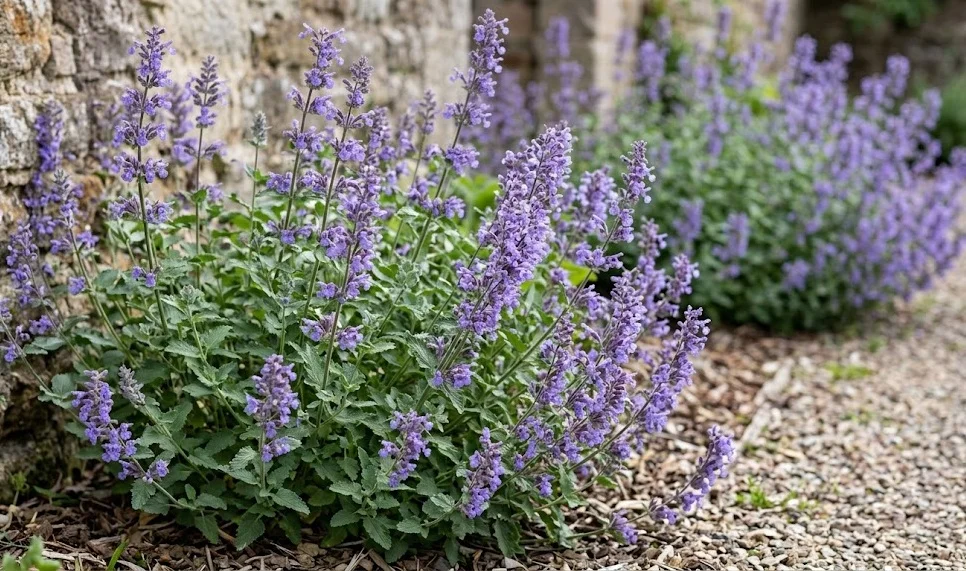

Strategic pruning is one of the most effective tools for maintaining the health, shape, and flowering potential of garden catmint. Far from being a chore, cutting back these plants at the right time is a professional technique that yields immediate visual results. Whether you are looking for a tidy mound of foliage or a continuous display of purple flowers, the way you use your pruners matters. This article provides a comprehensive look at the timing and methods for pruning catmint throughout the growing season.
Spring cleanup and early shaping
The pruning year begins in early spring as soon as the first signs of new growth appear at the base of the plant. This is the time to remove all the dead, brown stems from the previous year that you may have left for winter interest. Use sharp, clean bypass pruners to cut these old stems back to about two or three inches above the ground. This clearing process allows the new shoots to receive maximum light and air, which is essential for a strong start.
As the new growth reaches about six inches in height, you can perform a technique known as “pinching back” to encourage a bushier habit. By nipping off the growing tips of the stems, you force the plant to branch out from the lower nodes. This results in a denser, more compact plant that is less likely to flop over later in the season. It is a simple professional secret that makes a huge difference in the overall structure of the perennial border.
During this early phase, you should also look for any stems that are growing in an undesirable direction or seem particularly weak. Removing these early on allows the plant to focus its energy on the strongest and most well-placed growth. You can also thin out some of the center stems if the clump is becoming too dense, which improves internal air circulation. This preventative pruning helps to keep the plant healthy and reduces the risk of fungal diseases during the summer.
Spring is also the best time to check the overall size of the plant and decide if it needs more significant intervention. If the catmint has grown too large for its space, you can prune the edges more aggressively to keep it within bounds. However, be careful not to remove too much of the new growth at once, as the plant needs its leaves to produce energy. A light and steady approach to shaping in the spring sets the stage for a spectacular summer display.
More articles on this topic
Mid-summer rejuvenation and deadheading
The most important pruning task occurs in mid-summer, typically after the first major flush of flowers has started to fade. At this point, the plant can often look a bit tired, with spent flower spikes and stems that may be starting to sprawl. A professional “haircut” involves cutting the entire plant back by about one-third or even one-half of its height. While this might seem drastic, the plant will respond with a surge of fresh, green foliage within just a week or two.
This mid-season pruning not only keeps the plant tidy but also encourages a second wave of blooms in late summer. By removing the developing seed heads, you tell the plant to put its energy back into flower production rather than seed development. This is the key to extending the color in your garden well beyond the initial early-summer peak. Many gardeners find that this second bloom, while perhaps a bit lighter, is just as beautiful as the first.
When you perform this summer cutback, try to maintain the natural rounded shape of the plant as you work. Use your shears to follow the contours of the mound, resulting in a clean and intentional look. If the weather is particularly hot and dry, be sure to water the plant thoroughly after pruning to help it recover and push out new growth. This little bit of extra care ensures that the transition from old to new foliage is as quick as possible.
You can also use this time to harvest some of the fragrant stems for drying or for use in floral arrangements. The aromatic oils are often at their peak during the flowering period, making it the perfect time to gather some for indoor use. Simply bundle the stems together and hang them in a cool, dry place until they are completely crisp. This way, your mid-summer pruning task provides a double benefit for both the garden and the home.
More articles on this topic
Late season and winter considerations
As autumn approaches, the growth of your catmint will naturally slow down, and the second flush of flowers will eventually fade. You can choose to deadhead these late flowers to keep the plant looking neat, but a heavy pruning is usually not recommended at this stage. You want to allow the plant to begin hardening off its tissues in preparation for the coming winter. Leaving the foliage intact during the late autumn can also provide some extra protection for the crown against early frosts.
Many professional gardeners choose to leave the dried stems and seed heads standing throughout the winter months. These provide a beautiful architectural element in the winter garden, especially when covered in a light dusting of frost or snow. The seeds can also provide a valuable food source for small birds during the leanest months of the year. It is a more naturalistic approach that benefits the local ecosystem while requiring less work from the gardener.
If you live in a very tidy neighborhood or simply prefer a clean look, you can certainly cut the plants back in the late autumn. If you choose this route, leave a few inches of stem above the ground to help identify the plant’s location in the spring. This also provides a small amount of protection for the dormant buds at the base of the plant. Avoid cutting the plant completely flush with the ground, as this can expose the crown to too much moisture and cold.
Ultimately, the way you prune your garden catmint is a reflection of your personal gardening style and the needs of your landscape. Whether you are a “neat and tidy” gardener or prefer a more wild and natural look, catmint is forgiving enough to handle various approaches. By following these professional guidelines, you can ensure that your plants remain healthy, productive, and beautiful for many years to come. Consistency is the key to becoming a master of perennial maintenance in your own backyard.