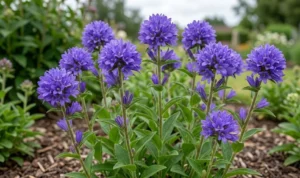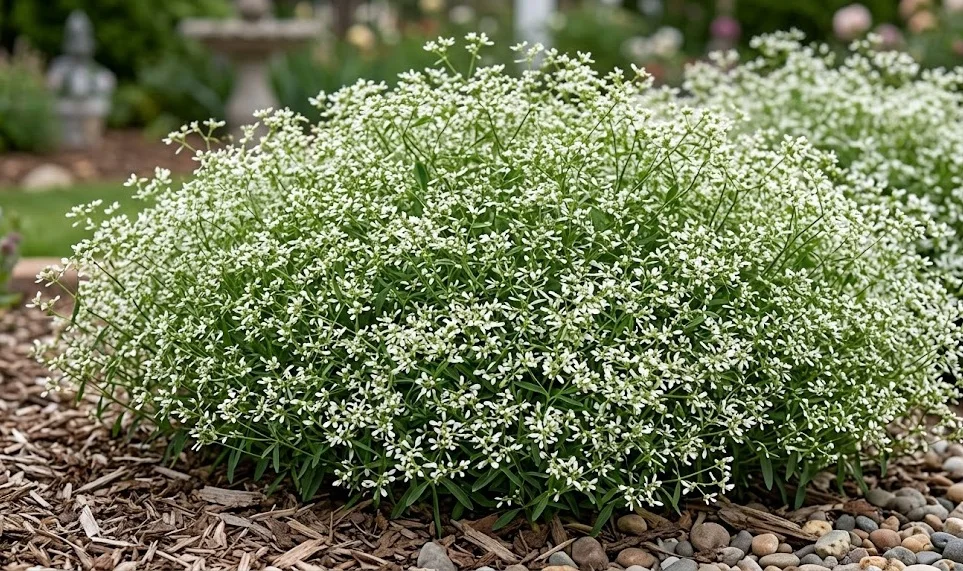

Understanding the light requirements of garden spurge is fundamental to achieving its full ornamental potential and ensuring its structural integrity. While this species is known for its adaptability, the amount and quality of light it receives will directly influence its color, shape, and overall vigor. A plant in the wrong lighting conditions may become weak, leggy, or lose the vibrant hues that make it such a desirable garden feature. By carefully matching the plant to the available light in your garden, you create the ideal environment for it to truly shine.
Optimizing sun exposure for vibrant growth
Garden spurge generally thrives in full sun, which means it should receive at least six to eight hours of direct sunlight every day. You will find that high light levels encourage the plant to maintain a compact, mounded shape that is aesthetically pleasing. Sunlight also plays a critical role in the development of the bracts and the intensity of the foliage coloration. Plants grown in bright conditions are typically much more resilient and less prone to flopping over during the season.
In regions with extremely hot summers, the plant might benefit from a bit of light shade during the most intense part of the afternoon. You should observe the foliage for any signs of scorching or bleaching, which indicates that the light may be too intense for that specific variety. Providing a location with morning sun and filtered afternoon light is often the perfect compromise in warmer climates. This balance prevents stress while still providing enough energy for the plant to produce its characteristic growth.
The orientation of your garden beds will significantly affect the amount of light your garden spurge receives throughout the year. You should consider how shadows from nearby buildings, fences, or larger trees change as the seasons progress and the sun’s path shifts. A spot that is in full sun in mid-summer might be in deep shade by late autumn, which can impact the plant’s winter preparation. Planning for these shifts ensures that your plant remains in a suitable microclimate regardless of the date on the calendar.
Reflected light from light-colored walls or paved surfaces can also increase the total amount of energy reaching the plant. You might find that these “hot spots” allow you to grow sun-loving varieties even in areas that might otherwise be slightly too shaded. However, be mindful that reflected light also brings extra heat, which can dry out the soil much more quickly than usual. Being aware of these subtle environmental factors allows you to fine-tune the placement of your garden spurge for the best results.
More articles on this topic
Identifying signs of light stress
When garden spurge is not receiving enough light, it will often begin to “stretch” toward the nearest source of illumination. You will notice that the distance between the leaves on the stems increases, leading to a leggy and sparse appearance. This lack of structural density makes the plant more vulnerable to damage from wind or heavy rain throughout the growing season. If your plant looks pale and weak, it is a very clear signal that it needs to be moved to a brighter location.
On the other hand, too much intense light can cause the leaves to turn yellow or develop brown, crispy edges. You might see the plant attempting to protect itself by folding its leaves or drooping during the hottest part of the day. This type of light stress often goes hand-in-hand with heat stress and can significantly weaken the plant over time. Providing temporary shade during a record-breaking heatwave can help the plant recover and prevent permanent tissue damage.
Color changes in the foliage can also be a subtle indicator of the light levels your garden spurge is experiencing. For variegated varieties, a lack of light can cause the leaves to revert to a solid green as the plant tries to maximize its photosynthetic capacity. Conversely, very bright light can sometimes cause the colors to fade or look washed out compared to their ideal state. Finding the “sweet spot” where the colors are most vivid is part of the art of gardening with this species.
If you notice that your garden spurge is only blooming or growing on one side, it is likely receiving uneven light throughout the day. You should try to ensure that the light reaches the entire plant as much as possible to promote balanced and symmetrical development. Rotating container-grown plants every few days is an easy way to prevent them from becoming lopsided and unsightly. Consistent light leads to a consistent and healthy plant that looks beautiful from every angle in the garden.
More articles on this topic
Adapting to shade and low-light areas
While garden spurge prefers the sun, some varieties are surprisingly tolerant of partial shade and can be used to brighten up darker corners. You should choose these specific cultivars if your garden has areas that only receive three to four hours of direct light. In shaded spots, the soil will naturally stay moist for longer, so you must be even more careful about drainage to prevent root issues. A plant in the shade will grow more slowly, but it can still be a valuable and healthy addition to your landscape.
The quality of the shade matters just as much as the quantity of light when you are planting in less-than-ideal spots. Dappled shade, such as that found under the canopy of a large tree, is often much better than the deep, heavy shade of a building. You might find that the plant still produces some flowers or bracts in light shade, though they may not be as numerous as in full sun. Be prepared for a more relaxed and open growth habit when you are working with lower light levels.
To help a plant in the shade maximize the light it does receive, you should keep its foliage clean and free of dust or debris. You can also use light-colored mulch or nearby reflective surfaces to bounce a bit more ambient light into the shaded area. These small tricks can make a significant difference in the vigor and appearance of a plant that is struggling on the edge of its light tolerance. Every little bit of extra energy helps the plant maintain its health in a challenging environment.
Finally, you should be realistic about the limitations of planting sun-loving perennials in very dark or heavily shaded locations. If the plant continues to struggle despite your best efforts, it may simply be in the wrong place for its biological needs. You might consider moving it to a sunnier spot and replacing it with a truly shade-loving species that will thrive in those conditions. A successful garden is one where every plant is placed in an environment that allows it to reach its full potential.