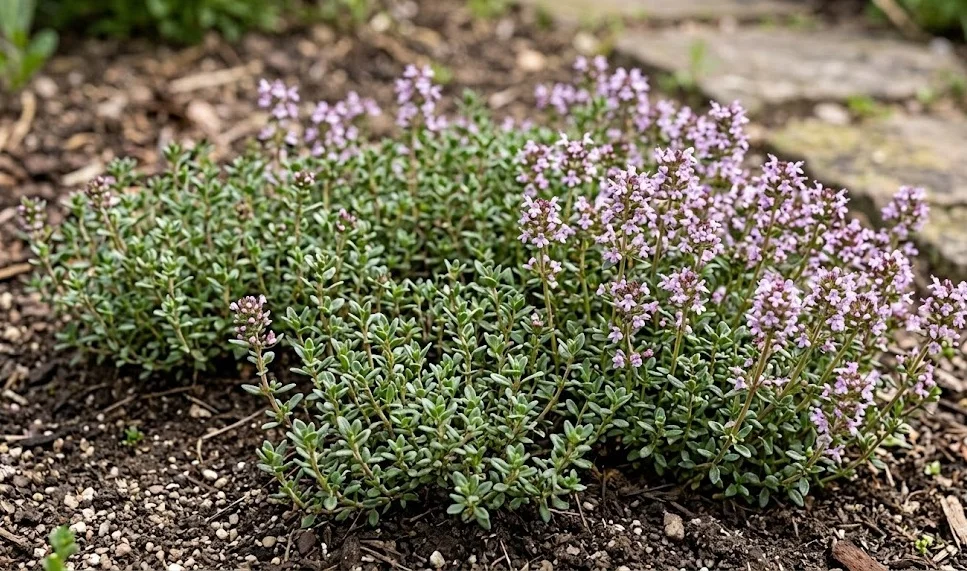

Managing the hydration and nutritional needs of garden thyme is a balancing act that requires a nuanced understanding of Mediterranean ecology. You must resist the common gardening urge to provide too much of a good thing, as this herb thrives on a degree of scarcity. Over-watering and over-fertilizing are the two most frequent mistakes that can lead to a decline in the plant’s health and aromatic quality. By adopting a “less is more” philosophy, you can ensure that your herbs remain hardy, flavorful, and resistant to environmental stressors.
The goal of your watering and feeding program should be to support steady, resilient growth rather than rapid, lush expansion. You will find that plants grown in slightly stressed conditions often have a much higher concentration of essential oils in their leaves. Professional herb growers know that the intensity of the flavor is directly linked to the environment in which the plant is raised. Therefore, your interventions should be targeted and purposeful, rather than following a rigid and excessive schedule.
Observation is your most valuable tool when it comes to deciding when to intervene with water or nutrients in the garden. You should learn to read the subtle signs that the plant gives off when it is truly in need of assistance from the gardener. For example, a slight dulling of the leaf color or a very minor drooping of the stems can indicate a need for a drink. However, you must be careful not to confuse these signs with the symptoms of over-watering, which can look remarkably similar to the untrained eye.
Developing a seasonal rhythm for watering and fertilizing will help you stay consistent while also adapting to the changing needs of the plants. You should recognize that the requirements for a young, newly planted herb are vastly different from those of a well-established, woody shrub. As the seasons shift, so too must your approach to maintaining the soil environment around your thyme. This professional level of care ensures that your herb garden remains a productive and beautiful part of your agricultural landscape for many years.
Establishing a hydration schedule
The first rule of watering thyme is to allow the soil to dry out almost completely between each application of water. You should check the moisture level by inserting your finger deep into the soil to ensure it is dry at the root zone, not just on the surface. During the cooler months of spring and autumn, the natural rainfall in many regions may be more than enough to satisfy the plant’s needs. Only during the peak heat of summer should you consider a more regular, albeit still conservative, watering routine for your herbs.
More articles on this topic
When you do water, it is important to apply it deeply and slowly to encourage the roots to grow further down into the earth. You should avoid light, frequent sprinklings that only wet the top layer of soil and lead to a shallow, weak root system. Deep watering helps the plant become more drought-tolerant by tapping into moisture reserves that are protected from the drying effects of the sun. Using a soaker hose or a drip irrigation system is a professional way to deliver water exactly where it is needed without wasting a drop.
The time of day you choose to water can have a significant impact on the health of the plant and the efficiency of your efforts. You should aim to water in the early morning hours so that any moisture on the foliage can dry off quickly as the sun rises. Watering late in the evening can leave the plant damp overnight, which creates the perfect environment for fungal diseases to take hold. If you must water during the day, try to apply it directly to the soil to minimize evaporation and avoid getting the leaves wet.
Environmental factors like wind, humidity, and soil type will all influence how often your specific garden needs to be hydrated. You should be prepared to adjust your schedule based on the weather forecast and the actual conditions you observe in your garden beds. In very sandy soils, water moves through quickly, so you might need to water slightly more often than in a heavier loam. Conversely, if you are experiencing a particularly humid summer, you should cut back on watering to prevent the buildup of excessive moisture.
Managing drainage and moisture
Effective moisture management starts long before you turn on the tap, beginning with the physical structure of your garden beds. You must ensure that the site has excellent internal drainage so that excess water can move away from the roots as quickly as possible. If you find that your soil stays wet for days after a rain, you should consider planting in raised beds or adding drainage pipes underground. Proper drainage is the single most important factor in preventing the root rot that often kills Mediterranean herbs in wetter climates.
More articles on this topic
The choice of mulch can play a vital role in managing the moisture levels around the base of your thyme plants. You should avoid organic mulches like wood chips or straw which can trap moisture against the stems and encourage decay. Instead, use inorganic materials such as gravel, crushed stone, or coarse sand to create a dry barrier on the soil surface. This type of mulch allows water to penetrate easily but then helps the surface dry out rapidly, protecting the plant’s crown from moisture-related issues.
Pot-grown thyme requires even more careful moisture management because containers can dry out very quickly in the sun. You should choose pots made of porous materials like terracotta, which allow the soil to breathe and help excess moisture evaporate through the walls. Ensure that every container has large drainage holes at the bottom and that these are not blocked by debris or sitting in a saucer of water. Checking your potted herbs daily during the summer is a professional habit that prevents the soil from becoming bone-dry or dangerously saturated.
During periods of heavy or prolonged rainfall, you might need to take active steps to protect your herbs from becoming waterlogged. You can improve surface drainage by gently hoeing the soil to break up any crust that might be preventing water from soaking in correctly. If the weather is exceptionally wet, providing a temporary rain cover can help keep the root zone from becoming completely overwhelmed. Remember that while thyme is tough, its one true weakness is sitting in cold, wet earth for extended periods of time.
Essential nutrients for growth
Thyme is naturally adapted to lean soils and does not require a high level of supplemental nutrition to thrive and produce well. You should focus on providing a balanced environment where the plant can access a wide variety of micronutrients in small quantities. Nitrogen is needed for foliage growth, but too much will lead to soft stems and a significant reduction in the concentration of aromatic oils. Phosphorus and potassium are important for root development and overall plant resilience, especially as the herb prepares for the winter months.
If your soil is extremely poor, a light application of a balanced, slow-release organic fertilizer in early spring is usually all that is needed. You should scatter the fertilizer around the base of the plant, being careful not to let the granules touch the stems or the foliage directly. Avoid using high-potency synthetic fertilizers that can provide a “shock” of growth and disrupt the natural balance of the soil biology. A gentle, natural approach to feeding ensures that the plant grows at a steady pace and maintains its characteristic hardiness and flavor.
Soil pH also plays a critical role in how the plant is able to absorb the nutrients that are already present in the ground. You should aim for a pH between 6.0 and 8.0, with a slight preference for alkaline conditions that mimic its native limestone habitats. If your soil is too acidic, the plant may struggle to take up calcium and magnesium, which are vital for its metabolic functions. Regularly testing your soil and adding a small amount of garden lime if necessary is a professional way to keep the nutritional environment in check.
Monitoring the growth of your plants will tell you more about their nutritional status than any generic feeding schedule ever could. You should look for healthy, green leaves and a compact, bushy habit as signs that the plant is getting exactly what it needs. If the new growth appears stunted or the older leaves start to turn unusual colors, it might be time to investigate the soil chemistry more closely. However, always remember that most problems with thyme are caused by too many nutrients rather than too few, so proceed with caution.
Organic fertilization methods
Using organic matter to improve the soil is the most sustainable and professional way to feed your herb garden over the long term. You should incorporate a small amount of well-rotted compost into the soil around your plants once a year in the early spring. Compost provides a wide range of nutrients in a form that is released slowly as the soil microorganisms break it down. This process also improves the soil structure and its ability to hold onto just the right amount of moisture for the roots.
Seaweed extracts and fish emulsions are excellent organic liquid fertilizers that can be used to give the plants a gentle boost during the growing season. You should dilute these products significantly and apply them to the soil around the base of the herbs once every month or two. These liquid feeds are rich in trace minerals that are often missing from standard fertilizers but are essential for the production of complex essential oils. Because they are organic, they support the health of the entire soil ecosystem rather than just feeding the plant in isolation.
Bone meal and rock phosphate can be used to provide a slow-release source of phosphorus for plants that are struggling to establish a strong root system. You should work a small amount into the soil at the time of planting or as a top-dressing for established herbs in the autumn. Phosphorus is particularly important for the plant’s ability to withstand environmental stress and to recover from heavy pruning. Using these natural mineral sources is a professional technique that builds long-term soil fertility without the risk of nutrient runoff.
Green manures and cover crops grown in the vicinity of your herb garden can also contribute to the overall nutritional health of the site. You should consider using nitrogen-fixing plants in your rotation or as neighbors to help naturally enrich the surrounding earth. When these plants are eventually cut down and left to decompose, they release their stored nutrients back into the soil for the thyme to use. This holistic approach to fertilization creates a self-sustaining system that requires fewer external inputs and results in healthier, more resilient herbs.
Signs of nutritional imbalances
Recognizing the visual cues of nutrient deficiency or excess is an essential skill for any serious gardener or agricultural professional. You should be concerned if you see yellowing between the veins of the leaves, which often indicates a deficiency in magnesium or iron. This usually happens in soils that are too alkaline or where the roots are damaged by excessive moisture, preventing nutrient uptake. Correcting the soil pH or improving drainage is often more effective than simply adding more fertilizer in these specific cases.
Stunted growth and a general lack of vigor can sometimes be a sign that the plant is not getting enough phosphorus, especially in the spring. You might also notice a slight purple or reddish tint to the leaves, which is the plant’s way of signaling that it is under nutritional stress. Before you add more nutrients, check to make sure the soil temperature is warm enough, as cold earth can often lock up phosphorus even if it is present. Once the soil warms up, the plant will usually recover its green color and start growing vigorously again on its own.
On the other hand, an excess of nitrogen is characterized by very dark green leaves and long, weak stems that fall over easily. You will also notice a distinct lack of the strong, spicy aroma that thyme is famous for, as the plant focuses all its energy on watery foliage. If you see these signs, you should immediately stop any fertilization and consider adding some woody mulch to help tie up the excess nitrogen in the soil. Pruning back the soft growth can also help the plant regain its sturdy habit and encourage the development of more aromatic leaves.
Finally, keep an eye out for signs of salt buildup in the soil, which can occur if you use synthetic fertilizers or if your irrigation water is high in minerals. This often manifests as brown, crispy edges on the leaves and a general decline in the health of the lower part of the plant. You can flush the soil with fresh, clean water to wash away the excess salts and restore the natural balance of the root environment. A professional approach to watering and fertilizing prevents these imbalances from occurring and keeps your thyme in peak condition.