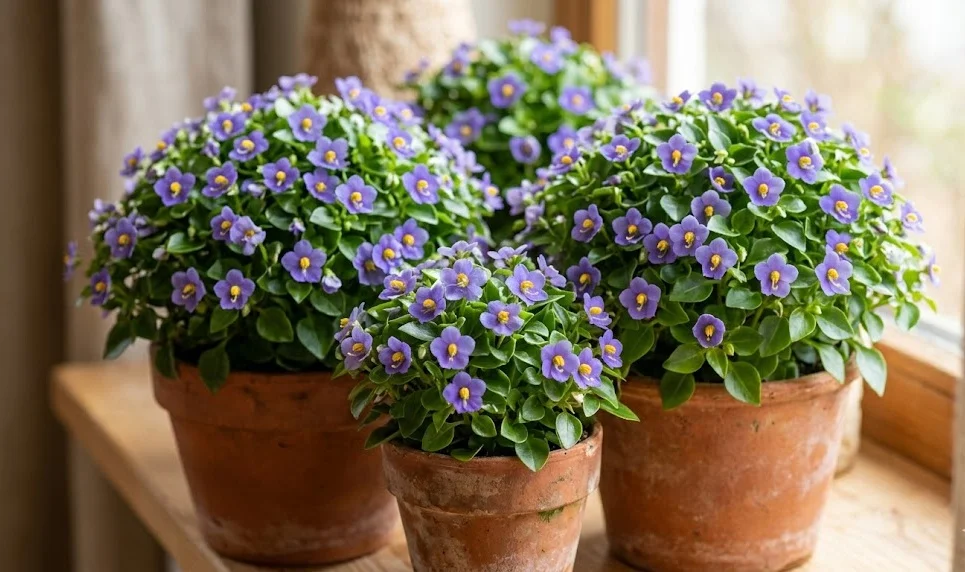

Protecting the persian violet from biological threats is a constant priority for any professional indoor gardener. This species is relatively hardy, but its compact growth and humidity requirements can create an environment where certain issues thrive. Early identification of symptoms is the most effective way to prevent a minor problem from becoming a total loss. By maintaining a clean growing environment and monitoring your plants daily, you can ensure a healthy and vibrant collection.
Fungal infections are among the most common diseases that affect indoor tropical plants in modern home environments. High humidity combined with poor air circulation creates the perfect conditions for mold and mildew to establish themselves on the foliage. You might first notice a grey or white powdery substance appearing on the surface of the leaves or the flower stems. Professional management involves improving airflow and being extremely careful with your watering techniques to keep the leaves dry.
Insect pests can also take advantage of a stressed or weakened plant, often multiplying rapidly before they are even noticed. Tiny creatures like thrips, aphids, and spider mites are the usual suspects that feed on the sap of the persian violet. They cause damage by piercing the plant tissues, leading to distorted growth, speckled leaves, and a general loss of vigor. A proactive approach to pest control is always better than waiting for a full-blown infestation to occur.
Stress from improper environmental conditions can often be mistaken for disease or pest damage by inexperienced growers. Before applying any treatments, it is essential to rule out factors like underwatering, light stress, or temperature fluctuations. A plant that is physically healthy and well-nourished is much more capable of resisting biological attacks from its environment. This holistic approach to plant health is the foundation of professional horticulture in any setting.
Identifying common fungal infections
Botrytis cinerea, also known as grey mold, is a frequent visitor to plants that are kept in humid conditions with low light. It typically starts on old or dying plant material, such as spent flowers that have not been removed promptly. The fungus appears as a fuzzy grey growth that can quickly spread to healthy leaves and stems if left unchecked. You should immediately prune away any affected parts and improve the ventilation around the remaining healthy foliage.
More articles on this topic
Powdery mildew is another common fungal issue that manifests as white, flour-like spots on the upper surface of the leaves. This disease is often triggered by large fluctuations in humidity between the daytime and nighttime hours. While it is rarely fatal, it can significantly weaken the plant and ruin its aesthetic appeal for the entire season. Applying a gentle fungicide or a homemade solution of water and baking sugar can help manage mild cases.
Root rot is perhaps the most serious fungal condition, as it directly attacks the plant’s ability to absorb water and nutrients. It is almost always caused by overwatering or poor drainage, which allows soil-borne pathogens to thrive in an anaerobic environment. Symptoms include a sudden wilting of the plant that does not improve after watering, accompanied by a foul smell from the soil. If caught early, you can try to save the plant by repotting it into fresh soil and cutting away any mushy, black roots.
Leaf spot diseases can also occur, appearing as brown or black circles with yellow halos on the foliage. These are often caused by water sitting on the leaves for too long after misting or top-watering in the late evening. To prevent this, always water at the base of the plant and ensure the leaves have time to dry before nightfall. Maintaining a clean growing area by removing fallen debris is a simple professional habit that reduces the spores in the environment.
Managing insect infestations effectively
Thrips are tiny, slender insects that are particularly attracted to the flowers of the persian violet and other indoor species. They feed by scraping the surface of the petals and leaves, leaving behind silvery streaks and small black specks of waste. Because they hide inside the flower buds, they can be very difficult to detect until the damage is already quite extensive. Regularly checking the center of the blossoms will help you catch these persistent pests before they ruin the entire display.
More articles on this topic
Aphids are small, soft-bodied insects that cluster on the tender new growth and the undersides of the leaves. They suck the nutrient-rich sap from the plant, which can lead to stunted growth and curled or misshapen foliage. Aphids also produce a sticky substance called honeydew, which can attract ants and provide a medium for sooty mold growth. A strong stream of water can often dislodge these pests, but more persistent cases may require the use of insecticidal soap.
Spider mites are nearly invisible to the naked eye but can cause significant damage in a very short amount of time. They thrive in hot, dry conditions and are often identified by the fine webbing they spin between the stems and leaves. Infested plants will show a characteristic stippling or bronzing of the leaves as the mites drain the individual plant cells. Increasing the humidity around your plants is one of the best ways to discourage spider mites from establishing a colony.
Mealybugs appear as small, white, cottony masses tucked into the leaf axils or along the veins of the stems. These pests are related to scale insects and are protected by a waxy coating that makes them resistant to many common sprays. They can be individually removed using a cotton swab dipped in rubbing alcohol for a very targeted and effective treatment. Consistent monitoring is necessary because their eggs are often hidden in the soil or in tiny crevices of the pot.
Preventative strategies for health
Maintaining a high standard of cleanliness in your indoor garden is the first line of defense against all biological threats. Always use sterilized pots and fresh, high-quality potting medium when you are starting new plants or repotting existing ones. Remove dead leaves and spent flowers immediately so they do not become a breeding ground for fungi and pests. This “sanitary” approach is a professional standard that significantly reduces the overall risk of disease outbreaks.
Quarantining new additions to your plant collection is a vital habit that prevents the accidental introduction of unwanted visitors. Keep any new plant in a separate room for at least two weeks and inspect it daily for any signs of trouble. This waiting period allows any hidden pest eggs or dormant fungal spores to manifest before they can spread to your healthy plants. It is much easier to treat one small plant in isolation than an entire room full of established specimens.
Providing the optimal growing conditions is the most effective natural way to keep your plants healthy and resilient. A plant that receives the correct amount of light, water, and nutrients will have a much stronger immune system. Strong cell walls and a robust metabolism act as physical and chemical barriers to many common pathogens and insect pests. Professional gardeners focus on “growing health” rather than just “treating sickness” to achieve the best results over time.
Regularly cleaning the leaves with a damp cloth not only makes the plant look better but also physically removes potential threats. This practice allows you to get up close and personal with your plants, making it much more likely that you will notice early symptoms. It also removes dust that can provide cover for tiny insects like spider mites or thrips to hide and multiply. A clean plant is a healthy plant, and this simple task should be part of your weekly maintenance routine.
Biological and organic solutions
Neem oil is a versatile and popular organic treatment that works as both an insecticide and a fungicide for indoor gardeners. It is derived from the seeds of the neem tree and interferes with the life cycle of many common pests. When applied as a spray, it coats the leaves and prevents insects from feeding and reproducing without harming the environment. It also has antifungal properties that can help manage minor issues like powdery mildew or leaf spot.
Insecticidal soaps are another effective organic option that works by breaking down the outer shell of soft-bodied insects like aphids and mites. These soaps are specifically formulated for use on plants and are much safer than using common household detergents which can be phytotoxic. You must ensure that the spray comes into direct contact with the pests for it to be effective in controlling the population. Always test the soap on a small, inconspicuous leaf first to ensure the plant does not have a negative reaction.
Beneficial insects, such as ladybugs or predatory mites, can be used in some indoor settings to provide biological control of pests. While this is more common in commercial greenhouses, it can be a highly effective way to manage persistent infestations without chemicals. These “good bugs” hunt and consume the pests that damage your plants, creating a natural balance in your indoor ecosystem. This method requires a deeper understanding of entomology but is a hallmark of an advanced professional approach.
Horticultural oils can also be used to smother eggs and adult insects that are difficult to reach with other organic sprays. These oils are highly refined and form a thin film over the plant surfaces, cutting off the air supply to the pests. They are particularly useful for treating scale insects or mealybugs that have a protective waxy or hard outer coating. Applying these treatments in the evening ensures that the plant is not burned by the sun while the oil is present.
Implementing chemical control measures
Chemical pesticides should always be considered a last resort for professional gardeners when organic methods have failed to control a serious outbreak. If you decide to use a synthetic product, it is vital to choose one that is specifically labeled for use on indoor flowering plants. Read the entire instruction manual carefully and follow the dosage recommendations to the letter to avoid damaging your plants or your health. Professional safety equipment, such as gloves and a mask, should always be used during the application process.
Systemic insecticides are products that are absorbed by the plant and move through its tissues, providing protection from the inside out. These are especially effective against pests that are difficult to reach with contact sprays, such as thrips or mealybugs. Once the plant has absorbed the chemical, any insect that feeds on its sap will be affected and eventually eliminated. However, these products can remain in the plant for a long time, so they must be used with caution and professional judgment.
Contact sprays are designed to kill pests immediately upon touch and are useful for knocking down large populations of visible insects. These products often have a shorter residual effect than systemic options and may require multiple applications to be fully effective. You must ensure thorough coverage of all plant surfaces, including the undersides of the leaves and the tightest corners of the stems. Consistency in the timing of these applications is the key to breaking the reproductive cycle of the pests.
After any chemical treatment, it is important to monitor the plant closely for signs of recovery or any adverse reactions to the pesticide. Some plants may show temporary yellowing or leaf drop as they process the chemicals and recover from the initial pest damage. Once the issue is under control, return to your high-standard preventative care to ensure the problem does not return. Professional gardening is an ongoing process of observation, adjustment, and careful management of the delicate balance between life and threat.