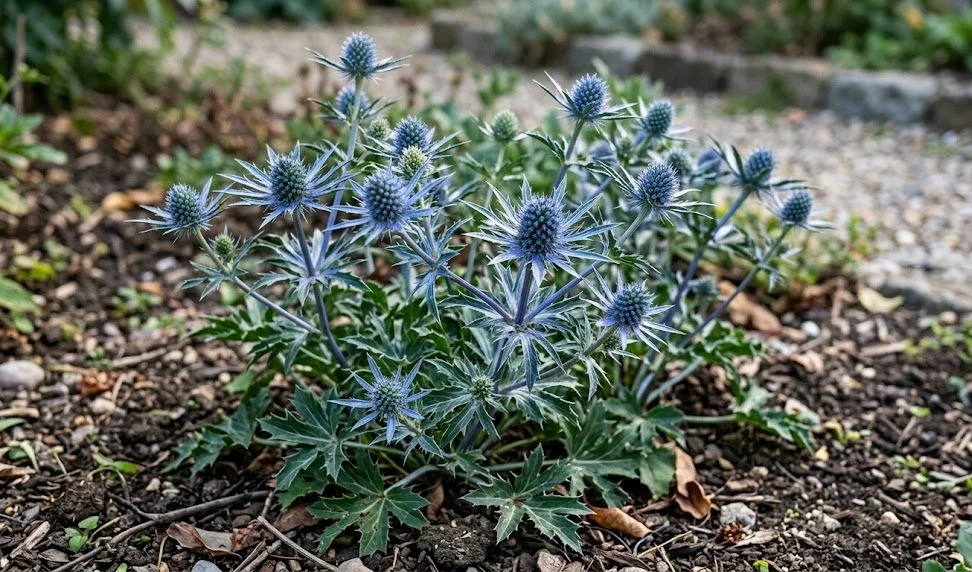

Pruning the blue eryngo is a straightforward but essential task that helps maintain its shape, encourages better flowering, and ensures the plant’s long-term vitality. Unlike some perennials that require constant shearing, this species benefits from a more targeted and minimal approach. Understanding when and how to cut back the stems allows the gardener to control self-seeding and manage the plant’s appearance throughout the year. Professional pruning techniques ensure that the plant remains an asset to the garden’s structure without compromising its health.
The primary pruning event for the blue eryngo typically occurs at the end of the winter or in very early spring. While many gardeners prefer to leave the dried flower heads for winter interest, they must eventually be removed to make way for new growth. Using sharp, clean bypass pruners, the old flowering stems should be cut back as close to the basal rosette of leaves as possible. This “cleaning up” process allows light and air to reach the center of the crown, which is vital for the emergence of healthy new foliage.
Deadheading is the practice of removing spent flowers during the growing season to prevent seed production and potentially encourage a second, smaller flush of growth. For the blue eryngo, deadheading is often a choice based on aesthetic preference and the desire to prevent unwanted seedlings. If the flower heads are removed as soon as they begin to turn brown, the plant will redirect its energy into the root system rather than into seed development. However, many professionals choose to keep the heads because they remain attractive even as they age.
When performing any pruning, it is extremely important to wear sturdy gardening gloves because of the plant’s sharp, spiny leaves and bracts. The spines can easily penetrate light clothing and cause skin irritation or minor injuries if you are not careful. A professional approach involves working methodically and being aware of the plant’s physical defenses at all times. Using the right tools and protection makes the task much easier and safer for the gardener.
Seasonal structural pruning techniques
In the early summer, a technique known as “the Chelsea Chop” can sometimes be applied to the blue eryngo, although it must be done with caution. This involves cutting back some or all of the stems by about one-third to create a more compact, bushier plant. This can be useful if the plant is growing in a spot where it might become too tall or if you want to delay the flowering period. However, because this can also reduce the size of the flower heads, it is a technique used sparingly by professional horticulturists.
More articles on this topic
Maintaining the basal rosette is another part of structural pruning that happens throughout the growing season. Occasionally, the older, lower leaves may become yellow, damaged by pests, or simply look untidy as the plant grows. Carefully removing these leaves at the base helps keep the plant looking fresh and improves air circulation around the crown. This minor maintenance prevents the buildup of moisture and debris that could lead to fungal issues during humid weather.
If the plant becomes damaged by wind or heavy rain, immediate corrective pruning is necessary to prevent further issues. Any snapped or bent stems should be cut back to a healthy node or all the way to the base to encourage clean regrowth. Leaving damaged tissue on the plant can invite disease and pests, so a “clean cut” is always the best professional remedy. Proactive pruning after a storm helps the plant recover its aesthetic form more quickly.
For those who want to use the blue eryngo for dried floral arrangements, pruning takes on an additional purpose. The stems should be cut when the blue color is at its most intense and before the flowers have fully opened or begun to fade. Hang the stems upside down in a cool, dark, and well-ventilated place to preserve their color and form for many months. This dual-purpose pruning allows the gardener to enjoy the plant’s beauty both inside and outside the home.
Controlling self seeding and long term maintenance
One of the most important reasons for cutting back the blue eryngo is to manage its tendency to self-seed throughout the garden. While a few extra seedlings can be a welcome addition, a single plant can produce hundreds of seeds that may overwhelm a carefully planned border. To prevent this, the flower heads must be removed before the seeds have a chance to mature and drop to the ground. This “preventative pruning” is a key part of maintaining order in a professional landscape.
More articles on this topic
If you do want some naturalized growth, you can leave just one or two flower heads to mature and distribute their seeds. Once the seeds have dropped, the remaining stems can be cut back as part of the autumn or winter cleanup. This balanced approach allows for some natural expansion while keeping the majority of the garden under control. A professional gardener always considers the future impact of today’s pruning decisions.
Long-term maintenance involves observing the plant’s vigor over several years and adjusting the pruning routine accordingly. As the plant ages, the central crown may become very large and produce more stems than it can comfortably support. In these cases, thinning out some of the stems in the early spring can help the plant focus its energy on the strongest and healthiest growth. This proactive management keeps the specimen looking its best even as it reaches maturity.
The final step in any pruning task is the proper disposal of the removed plant material. Because the stems and leaves are spiny and can take a long time to break down, they are often better suited for a professional green waste collection rather than a small home compost bin. If the plant material shows any signs of disease, it should never be composted but rather destroyed or removed from the site. Cleanliness and systematic removal are the finishing touches on a professional pruning job.