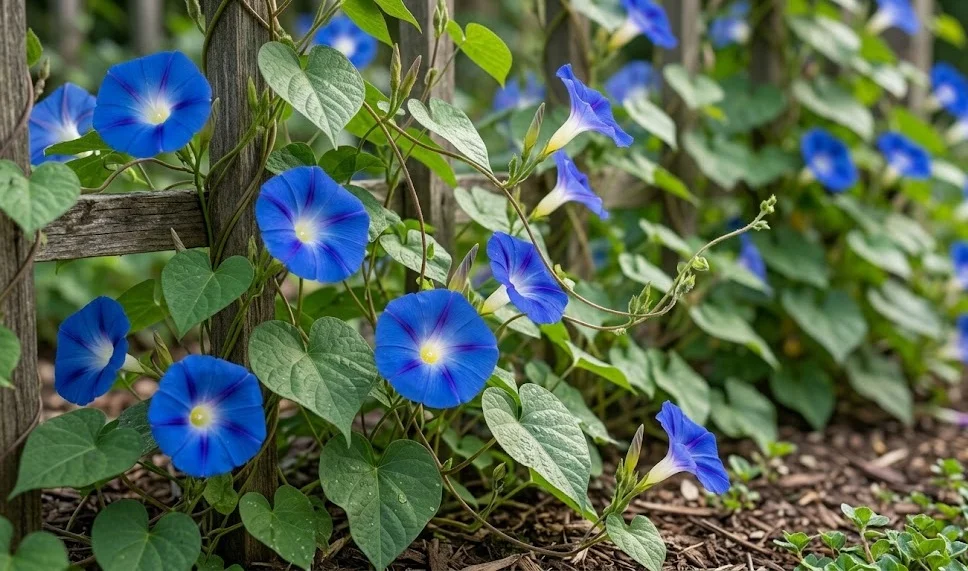

The successful establishment of the blue morning glory begins with a careful approach to the initial stages of its life cycle. Whether starting from seeds or exploring other methods of reproduction, the goal is to create a robust foundation that can support rapid vertical growth. These vines are known for their vigorous nature, but they require specific conditions during their early development to truly thrive in a garden setting. Understanding the biological requirements for germination and early root development is the first step toward a stunning floral display.
Patience is a virtue when it comes to the timing of planting this warm-weather favorite in temperate climates. Rushing the process and putting young plants into cold soil often results in stunted growth or complete failure of the crop. It is far better to wait until the ground has warmed significantly and the danger of frost has entirely passed before moving forward. This strategic delay ensures that the seedlings encounter an environment that is conducive to rapid expansion rather than one that forces them into survival mode.
The selection of high-quality seeds is equally important for ensuring a high germination rate and healthy offspring. Look for seeds that are plump, dark, and free from any signs of mold or physical damage that might impede their ability to sprout. Freshness matters, as the viability of the blue morning glory seeds can decrease over time if they are not stored in a cool, dry place. Starting with the best possible genetic material gives the gardener a significant advantage from the very first day of the project.
Preparation of the planting site involves more than just digging a hole; it requires the creation of an inviting home for the new vine. The soil should be loosened to a depth of at least twenty centimeters to allow the primary taproot to penetrate easily into the earth. Incorporating a small amount of starter fertilizer or aged compost into the planting zone provides an immediate source of energy for the emerging seedling. A well-prepared site reduces the stress on the plant during the critical transition from seed to independent organism.
Seed preparation techniques
The outer coating of the blue morning glory seed is notoriously tough and water-resistant, which is a natural defense mechanism for survival. In a garden setting, however, this dormancy needs to be broken to encourage uniform and rapid germination among all the planted seeds. One of the most common methods for achieving this is scarification, which involves lightly nicking or sanding the seed coat. This small physical adjustment allows moisture to penetrate the embryo and signal that it is time to begin the growing process.
More articles on this topic
After scarifying the seeds, soaking them in lukewarm water for several hours or even overnight is highly recommended for the best results. During this time, the seeds will often swell to nearly twice their original size as they absorb the hydration needed for cellular expansion. If a seed fails to swell after twenty-four hours, it may require a bit more scarification or it might simply be non-viable. This soaking step significantly reduces the time it takes for the first green shoots to appear above the surface of the soil.
Temperature also plays a vital role in the preparation phase, as the seeds respond best to warmth during the initial hydration period. Using filtered or distilled water can prevent the introduction of any harmful chemicals or pathogens that might be present in some tap water sources. Some gardeners find success by adding a tiny drop of liquid seaweed to the soaking water to provide an extra boost of micronutrients. These small details in the preparation phase can lead to a much higher success rate and more uniform growth in the nursery trays.
Once the seeds have been prepared, they should be planted immediately while they are still moist and active. Allowing them to dry out again after the soaking process can damage the emerging embryo and lead to poor germination or weak seedlings. Handling the swollen seeds with care is important to avoid crushing the delicate internal structures that are just beginning to develop. By following these professional preparation techniques, the gardener ensures that each seed has the maximum potential to become a healthy, flowering vine.
Sowing strategies for success
When it comes to sowing the seeds, the depth at which they are placed in the soil is a critical factor for their successful emergence. For the blue morning glory, a depth of about one to two centimeters is generally considered optimal for providing both protection and access to light. Planting them too deeply can exhaust the energy reserves of the seed before it reaches the surface, while shallow planting can lead to drying out. Consistent depth across the entire planting area ensures that all the seedlings will appear at roughly the same time.
More articles on this topic
Spacing between the seeds should be planned according to the desired density of the final vine cover. If the goal is a thick, solid wall of green and blue, seeds can be placed as close as ten to fifteen centimeters apart. However, giving each plant a bit more room, perhaps twenty to thirty centimeters, allows for better air circulation and reduces competition for nutrients. It is often a good idea to sow a few extra seeds in each spot and then thin out the weakest ones once they have established their first true leaves.
The choice between direct sowing in the garden and starting seeds in containers depends largely on the local climate and growing season length. Direct sowing is often simpler and avoids the risk of transplant shock, as the vine develops its roots exactly where it will grow. On the other hand, starting in peat pots or biodegradable containers indoors allows for an earlier start in colder regions. If using containers, it is essential to choose types that can be planted directly into the ground to minimize root disturbance during the move.
Maintaining consistent moisture in the sowing area is the final key to a successful start in the life of the vine. The soil should be kept damp but never saturated, as too much water can lead to the seeds rotting before they have a chance to sprout. Using a fine mist or a gentle spray prevents the seeds from being washed away or buried deeper by heavy water droplets. Once the first sprouts appear, the watering can be gradually reduced as the plants begin to develop their own root systems and search for deeper moisture.
Transplanting young seedlings
Moving a young blue morning glory from its nursery container to its permanent home is a delicate operation that requires precise timing. The best time to transplant is when the seedling has developed at least two sets of true leaves and its root system is starting to fill the pot. Waiting too long can lead to the plant becoming root-bound, which can permanently stunt its growth potential in the garden. Conversely, moving a seedling that is too young and fragile can result in high mortality rates due to environmental stress.
The evening or a cloudy day is the ideal time to perform the transplanting to minimize the impact of the sun’s heat on the exposed roots. Before moving the plant, ensure that the garden soil is well-prepared and that the planting holes are ready to receive their new occupants. Gently removing the seedling from its container is crucial; never pull by the stem, but rather tip the pot and let the plant slide out with its soil intact. If using biodegradable pots, make sure to tear off any parts that might stay above the soil line and act as a wick for moisture.
Once the seedling is in the ground, it should be planted at the same depth it was growing in its original container. Burying the stem too deeply can lead to rot, while leaving part of the root ball exposed can cause rapid dehydration of the plant. Firm the soil gently around the base of the plant to eliminate any large air pockets that might dry out the roots. An immediate but gentle watering helps to settle the soil and provides the hydration needed for the plant to begin establishing itself in its new location.
After transplanting, keep a close eye on the young vines for the first week to ensure they are adapting well to their new environment. Some minor wilting is normal during the first day or two, but the plants should bounce back quickly if the moisture levels are adequate. Providing temporary shade if the weather is exceptionally hot can help the seedlings get through the most difficult part of the transition. Successful transplanting sets the stage for the rapid, vigorous growth that the blue morning glory is famous for among gardeners.
Alternative propagation methods
While seeds are the most common way to grow blue morning glories, they are not the only method available to the enterprising gardener. Stem cuttings can sometimes be used to create new plants, especially if you have a particularly beautiful specimen you want to replicate. This involves taking a healthy, non-flowering shoot and placing it in a sterile rooting medium or even a glass of water. While not always as reliable as starting from seed, it can be a rewarding experiment for those looking to expand their garden collection.
Layering is another propagation technique that takes advantage of the vine’s natural tendency to grow roots wherever it touches the ground. By pinning a low-growing stem to the soil and covering a small section with earth, you can encourage the formation of a new root system. Once the roots are well-established, the new plant can be severed from the parent and moved to a different location in the garden. This method is often more successful than cuttings because the new plant remains connected to its nutrient source during the rooting process.
In some climates, the blue morning glory is such a prolific producer of seeds that it effectively propagates itself through self-seeding. Each autumn, the mature pods burst open and scatter hundreds of seeds onto the ground, where they remain dormant through the winter. In the spring, dozens of “volunteer” seedlings will often appear in the same area where the previous year’s vine grew. While this is the easiest method of propagation, it can lead to overcrowding and may require the gardener to thin out the new plants to maintain order.
Finally, some advanced gardeners explore the possibility of tissue culture or more technical methods, though these are rarely necessary for the home garden. The simplicity of growing this plant from its large, easy-to-handle seeds remains the most popular and effective strategy for most people. Regardless of the method chosen, the joy of watching a tiny sprout transform into a massive, flowering climber is one of the great rewards of gardening. Experimenting with different propagation techniques can deepen your understanding of the plant’s biology and enhance your skills as a horticulturist.