
Mastering the art of pruning and cutting back these spring-flowering bulbs is essential for maintaining their health and aesthetic appeal over many years. Unlike woody shrubs, the “pruning” of bulbs involves the strategic management of spent flowers and declining foliage to maximize energy storage. Professional techniques focus on timing and cleanliness to prevent the spread of disease and ensure the bulbs remain vigorous. Knowing when to step in and when to let nature take its course is the hallmark of a skilled and observant gardener.
Managing spent flowers
The process of removing faded flowers, often referred to as deadheading, is a common practice in professional garden maintenance. For these bulbs, deadheading is primarily done for aesthetic reasons to keep the patch looking tidy once the peak bloom has passed. By removing the wilted blossoms, you prevent the plant from putting its energy into seed production. This energy is then redirected back into the bulb, which can lead to a slightly larger and more robust flower the following year.
To deadhead correctly, you should snip the flower stem as close to the base as possible without damaging the surrounding leaves. Use a sharp pair of scissors or small garden snips to ensure a clean cut that heals quickly and cleanly. Avoid pulling the stems out by hand, as this can accidentally dislodge the bulb or tear the delicate tissues. This small amount of effort can significantly improve the appearance of the garden as it transitions into the late spring.
If your goal is to have the plants naturalize and spread throughout the garden, you should actually avoid deadheading altogether. Allowing the seed pods to mature and burst naturally is the only way for the plants to self-seed and create new colonies. The seeds of these bulbs are often moved by ants and other small insects, leading to surprising and delightful new patches in distant corners of the yard. You must decide between a perfectly tidy border and the natural charm of a self-spreading population.
Regardless of your choice, it is important to monitor the flower heads for any signs of fungal infection as they fade. During very wet springs, spent flowers can become a breeding ground for molds that can then spread to the healthy foliage. If you notice fuzzy grey growth on the old blossoms, remove them immediately and dispose of them in the trash. Maintaining a professional standard of hygiene during the post-bloom period is a key part of disease prevention.
More articles on this topic
Handling yellowing foliage
One of the most difficult lessons for new gardeners is the necessity of leaving yellowing bulb foliage alone until it is completely dead. This period, while not visually appealing, is the most critical time in the entire life cycle of the plant. The leaves are busy performing photosynthesis and transporting vital carbohydrates down into the bulb for storage. Cutting the leaves back while they are still green is essentially starving the plant and will lead to a rapid decline in vigor.
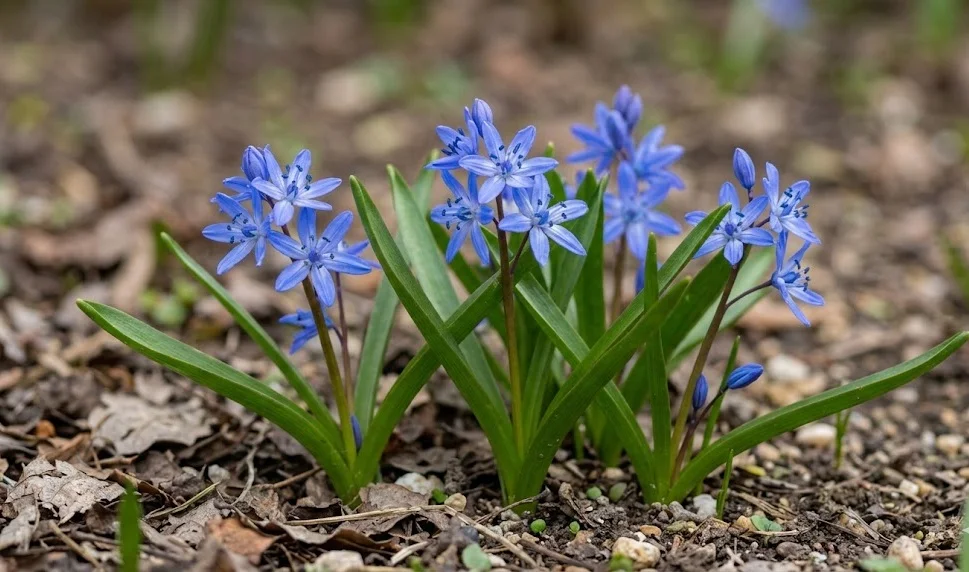
Professional gardeners use various design techniques to mask the declining foliage rather than removing it prematurely. Planting late-emerging perennials like hostas, daylilies, or ferns nearby is an excellent way to hide the yellowing squill leaves. As the bulbs fade, the larger leaves of these “companion plants” grow over them, keeping the garden looking fresh and intentional. This layering approach allows the biological needs of the bulbs to be met without sacrificing the beauty of the landscape.
You will know the foliage is ready to be removed when it has turned completely brown and brittle and pulls away from the bulb with no resistance. This usually happens in the early to mid-summer, depending on the local weather and the health of the plant. If you have to tug or cut the leaves, they are not yet ready to be removed. A patient approach ensures that the bulb has gathered every possible bit of energy for the long dormant period ahead.
Once the foliage is removed, the area can be lightly raked to clear away the debris and prepare for summer maintenance. Be careful not to disturb the soil too deeply, as the bulbs are now in their sensitive dormant phase just below the surface. Marking the spot with a small stone or garden ornament can help you remember where the bulbs are during the rest of the year. Following this disciplined routine ensures that your bulbs will return with full strength the following spring.
More articles on this topic
Strategic cutting for bulb strength
In some professional horticultural settings, the flowers are intentionally cut early to focus all the plant’s resources on bulb production. This is often done in commercial nurseries or when trying to rapidly increase the size of a rare or valuable specimen. By removing the flower before it even opens, the plant bypasses the energy-intensive process of blooming and seeding. While this means you miss the floral display for one year, it can result in a much larger and more productive bulb for the future.
This technique should be used sparingly in a home garden, as the primary joy of growing these plants is, of course, their beautiful blue flowers. However, if you have a patch that seems particularly weak or stunted, skipping the bloom for a year might give them the boost they need. It is a tool in the professional gardener’s toolkit for managing plant vigor and long-term health. Always ensure that the foliage remains intact even if the flowers are removed to maximize this rejuvenation effect.
Cutting the flowers for indoor arrangements is another form of pruning that can be enjoyed by the gardener. These blue stars make lovely additions to small spring bouquets and bring a touch of the garden into the home. When cutting for vases, try to take only a few stems from each clump to avoid over-stressing any single plant. Use clean, sharp tools and place the stems in water immediately to ensure they last as long as possible.
The key to any strategic cutting is to always prioritize the health of the leaves over the beauty of the flowers. The leaves are the “engine” of the bulb, and their protection is the most important rule in professional bulb care. Whether you are deadheading, thinning, or cutting for the house, always keep the long-term future of the colony in mind. A balanced approach will reward you with both beautiful spring displays and a healthy, expanding collection of bulbs.
Cleanliness and tool hygiene
Maintaining clean tools is a fundamental part of professional gardening that is often overlooked but critical for success. Pathogens like bacteria, viruses, and fungi can easily be transported from one plant to another on the blades of your snips or scissors. This is especially dangerous when working with bulbs, as an infection can quickly move down into the storage tissues and kill the entire plant. A quick wipe with a disinfectant between different patches of plants is a simple and effective safety measure.
You should also keep your cutting tools sharp to ensure that every cut is clean and the tissue is not crushed. Crushed or jagged wounds take longer to heal and provide more opportunities for diseases to enter the plant. A professional gardener takes pride in the condition of their tools, knowing that they are essential for the health of their collection. Regular sharpening and oiling will also make your work easier and more enjoyable throughout the season.
After you have finished cutting back the foliage or deadheading, it is important to properly dispose of the plant material. If the plants were healthy, the debris can be added to a well-managed compost pile where it will break down into valuable organic matter. However, if there was any sign of disease, the material should be bagged and removed from the garden entirely. Never leave diseased foliage lying on the ground, as it can harbor spores that will re-infect the soil.
Final cleanliness involves tidying the planting area to prevent the buildup of debris that could harbor pests over the summer. A clean garden floor is less attractive to slugs, snails, and rodents that might otherwise damage the dormant bulbs. By maintaining a professional standard of hygiene and organization, you create a safe and healthy environment for your garden to thrive. This commitment to detail is what separates a casual gardener from a true professional horticulturalist.