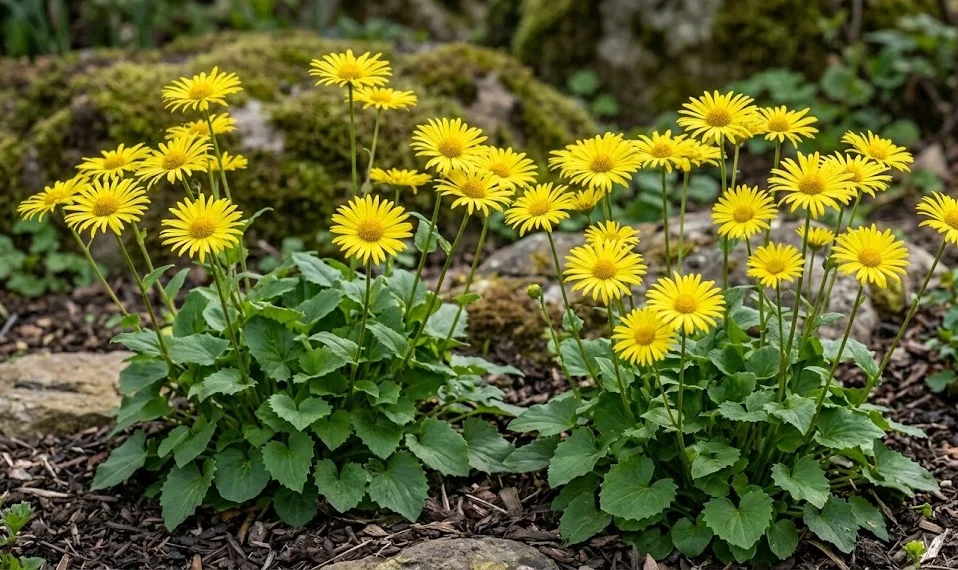

Pruning is a vital task that keeps the Caucasian leopard’s bane looking its best and encourages healthy growth throughout the year. You should approach this task with a set of sharp, clean bypass pruners to ensure that you make clean cuts that heal quickly. The primary goal of pruning this specific perennial is to remove old material and make room for new, vibrant growth to emerge. By following a professional schedule, you can maintain the plant’s shape and prevent it from becoming messy or overcrowded.
The first pruning task of the year usually happens in the early spring as you clear away any dead foliage that was left over from the winter months. You should carefully snip the brown, withered leaves at the base of the plant, being careful not to damage the new green shoots that are starting to peek out. This cleanup not only improves the appearance of the garden but also increases the amount of light and air that reaches the crown of the plant. A fresh start in the spring is essential for a successful flowering season and long-term health.
During the peak growing season, you may find that some leaves become damaged by wind, pests, or physical contact with garden tools. You should remove these damaged leaves as soon as you notice them to prevent the entry of pathogens and to keep the plant looking tidy. Cutting back individual leaves at the base of the stem is the most professional way to maintain the overall look without shocking the plant. Regular maintenance pruning is much easier than trying to fix a neglected plant that has become overgrown and unhealthy.
In the late summer or early autumn, the plant will naturally start to decline as it prepares for its winter dormancy phase. You can gradually remove the yellowing leaves to keep the garden bed looking neat and to reduce the risk of pests seeking shelter in the dying foliage. Some gardeners prefer to leave a bit of foliage to protect the crown, while others cut it all back once it has turned completely brown. Whichever method you choose, consistency and care are the most important factors for a successful outcome in your garden.
Deadheading for continued vigor and appearance
Deadheading is the process of removing spent flowers before they have a chance to develop seeds and drain the plant’s energy. For the Caucasian leopard’s bane, this is a particularly important task because the plant produces so many large, heavy blooms in a short period. You should use your pruners to cut the flower stem all the way back to the point where it emerges from the foliage. This prevents the sight of ugly, brown flower heads and keeps the focus on the beautiful green leaves that remain.
More articles on this topic
By removing the old flowers, you are signaling to the plant that it should invest its resources into root development and leaf health instead of seed production. While this species does not usually produce a second flush of flowers, deadheading will keep the foliage looking much fresher and more vibrant for a longer period. It also stops the plant from self-seeding in areas where you might not want new growth to appear in the coming years. A professional gardener always stays on top of deadheading to ensure the highest quality aesthetic for their landscape.
You should check your plants every few days during the peak bloom season to catch the flowers as they begin to fade and lose their petals. Waiting too long can lead to the formation of seed heads, which are much harder for the plant to recover from energetically. The bright yellow color of the leopard’s bane is its main attraction, so keeping the display fresh and clean is always a priority. This simple task takes only a few minutes but makes a huge difference in the overall impact of your spring garden beds.
If you are interested in collecting seeds for propagation, you can leave a few of the best-looking flower heads to mature naturally on the plant. You should mark these specific stems so you don’t accidentally prune them off during your regular maintenance rounds. Once the seed heads are brown and dry, you can harvest them and then prune the remaining stem back to the base of the plant. This balanced approach allows you to enjoy a tidy garden while still planning for the future growth of your collection.
Pruning tools and hygiene practices
The quality and cleanliness of your pruning tools are just as important as the techniques you use when working in your garden. You should invest in a high-quality pair of pruners that feel comfortable in your hand and hold a sharp edge for a long time. Dull blades can crush the delicate stems of the Caucasian leopard’s bane, leading to jagged wounds that take much longer to heal and are more susceptible to disease. Keeping your tools in top condition is a basic but essential part of professional agricultural and horticultural work.
More articles on this topic
You should also make a habit of disinfecting your tools between working on different plants to prevent the accidental spread of fungal and bacterial infections. A simple wipe with a solution of 70% isopropyl alcohol or a weak bleach mixture is enough to kill most common garden pathogens. This practice is especially important if you are pruning a plant that shows any signs of illness or stress, such as leaf spots or wilting. Professional hygiene standards protect your entire garden investment and ensure that your plants stay healthy for many years.
After each gardening session, you should clean any soil or plant sap off your tools and dry them thoroughly to prevent rust from forming. A light coating of oil on the blades and moving parts will keep the mechanism smooth and extend the life of your equipment. Storing your tools in a dry, protected place ensures that they are always ready for use when you need to perform a quick pruning task. Taking care of your gear is just as important as taking care of the plants themselves in a well-managed garden.
Finally, always be mindful of where you dispose of the plant material you have pruned away from your Caucasian leopard’s bane. Healthy leaves and stems can be added to your compost pile, where they will eventually break down into valuable organic matter for your soil. However, any material that is diseased or heavily infested with pests should be thrown in the trash or burned to prevent the problem from spreading. Professional waste management is the final step in a successful and sustainable pruning and maintenance routine for any perennial species.