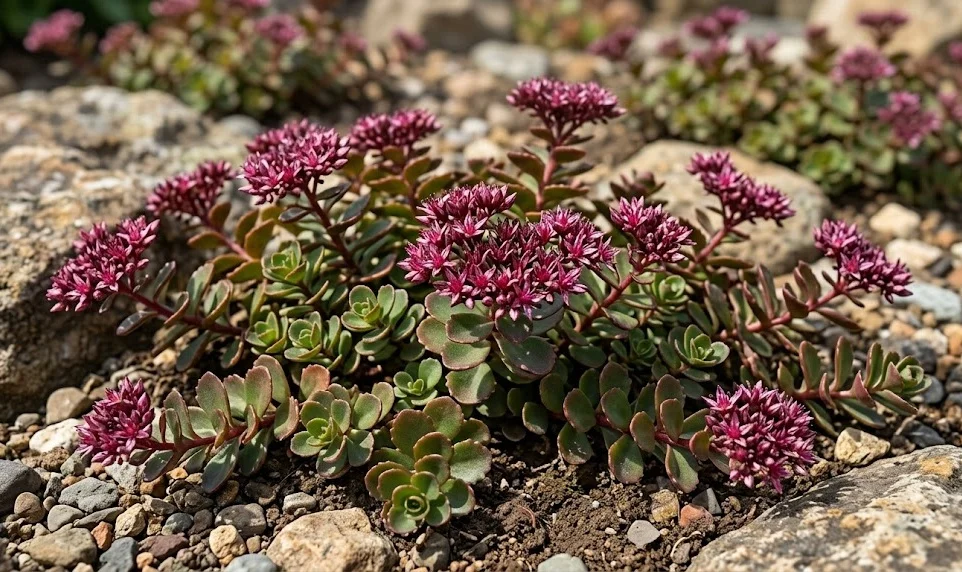

Managing the water and nutrient needs of Caucasian stonecrop requires a shift in perspective compared to traditional garden perennials. As a succulent species, this plant has evolved to store moisture in its fleshy leaves and stems, allowing it to survive in environments where water is scarce. Over-watering is a far more common mistake than under-watering, often leading to health problems that are difficult to reverse. By understanding the specific physiological adaptations of this plant, you can provide the minimal care it needs to remain vibrant and healthy through all seasons.
The general rule for watering an established stonecrop is to let the soil dry out completely between applications. During the active growing seasons of spring and summer, the plant appreciates occasional deep watering if natural rainfall is insufficient. However, you must always check the soil moisture levels by feeling the earth several inches down before reaching for the hose. If the soil still feels damp to the touch, it is best to wait a few more days before adding more water to the area.
During periods of high humidity or frequent rain, you may not need to water the plant at all for several weeks at a time. The plant is perfectly happy to rely on its internal reserves, and the high moisture levels in the air further reduce its need for external hydration. It is during these times that the importance of well-drained soil becomes most apparent, as it allows the excess rain to pass through quickly. A mindful gardener learns to read the plant’s appearance, as slightly puckered leaves can indicate a need for a drink.
Fertilization is another area where a “less is more” approach yields the best results for this hardy groundcover. In its native habitat, the Caucasian stonecrop grows in nutrient-poor, rocky soils that would be unsuitable for many other garden favorites. Providing too much fertilizer can stimulate excessive, soft growth that is more susceptible to pests and winter damage. By maintaining a lean feeding schedule, you encourage the plant to stay compact, strong, and true to its natural, attractive form.
Hydration strategies for young plants
When you first introduce Caucasian stonecrop to your garden, the watering requirements are slightly different than those for an established colony. Newly planted specimens have not yet developed the deep, extensive root systems necessary to find moisture during dry spells. For the first few weeks after planting, it is important to provide regular, light watering to help the roots settle into their new environment. The goal is to keep the soil consistently but lightly moist without ever letting it become saturated or waterlogged.
More articles on this topic
As you see new growth emerging from the tips of the stems, you can begin to gradually reduce the frequency of your watering. This transition encourages the roots to grow deeper into the soil in search of moisture, which ultimately makes the plant more drought-tolerant. Pay close attention to the weather during this establishment phase, as hot, windy days can dry out the surface soil very quickly. A light layer of fine gravel can help keep the roots cool while the plant is still gaining its strength in the new site.
It is also beneficial to water the plants early in the morning rather than in the late evening or during the heat of the day. Morning watering allows any moisture that gets onto the foliage to evaporate quickly as the sun rises, which reduces the risk of fungal issues. Watering during the midday sun is often inefficient, as much of the water evaporates before it can reach the root zone where it is needed. A calm, early-morning routine ensures that the plant has the hydration it needs to face the stresses of the day.
Once the plants have doubled in size or have successfully filled their allocated space, they can be treated as fully established. At this point, they should only require supplemental watering during extreme heatwaves or prolonged periods of drought lasting more than three weeks. By being attentive during the first season, you build a resilient foundation that will serve the plant well for many years to come. This initial investment of time pays off in the form of a truly low-maintenance landscape feature.
Adapting watering to seasonal changes
The water needs of the Caucasian stonecrop fluctuate significantly as it moves through its annual growth cycle and responds to changing weather patterns. In the spring, as the plant wakes up and begins producing new foliage, its demand for moisture increases slightly compared to its dormant winter state. If the spring is particularly dry, a few deep waterings can help kickstart the growth and ensure a lush appearance for the coming months. However, the cool temperatures of spring mean that the soil stays moist longer, so caution is still required.
More articles on this topic
Summer brings the most intense heat and the blooming period, which is when the plant’s drought tolerance is truly put to the test. While the stonecrop can survive without any extra water, a little supplemental hydration during the hottest weeks can prolong the flowering period and keep the leaves looking plump. Avoid the temptation to water every day, as this will lead to a shallow root system and potential rot. Instead, one thorough soaking every ten to fourteen days is usually more than enough to keep the plant in peak condition.
As autumn approaches and the days grow shorter, the plant’s metabolic rate begins to slow down in preparation for the winter months. During this time, you should significantly reduce your watering efforts, as the plant no longer needs as much moisture to sustain its functions. The natural rainfall that often comes with the changing season is typically all the plant needs to transition into its dormant phase. Keeping the soil on the drier side during the fall helps the plant harden off, making it more resistant to the coming frosts.
In the winter, the Caucasian stonecrop requires almost no attention regarding water, as it is in a state of rest. In many climates, the ambient moisture from snow or rain is more than sufficient to keep the roots alive without any intervention from the gardener. In fact, providing extra water during the winter can be very dangerous, as cold, wet soil is the primary enemy of succulent plants. By respecting these seasonal rhythms, you ensure that your stonecrop remains healthy and ready to burst back into life when spring returns.
Nutrient management and soil enrichment
While the Caucasian stonecrop is not a hungry plant, providing the right kind of nutrients in small amounts can enhance its overall vitality. Most of the time, the natural minerals found in standard garden soil are perfectly sufficient for its basic needs. If you feel your soil is particularly depleted, the best time to add any nutrients is in the early spring just as the first green buds appear. A light application of a balanced, slow-release fertilizer can provide a steady supply of nutrients throughout the entire growing season.
It is critical to avoid fertilizers that are very high in nitrogen, as this specific nutrient encourages rapid, watery growth at the expense of structural integrity. Plants that receive too much nitrogen often become “floppy” and lose the tight, carpet-like habit that makes them so desirable as groundcovers. A balanced formula with equal parts nitrogen, phosphorus, and potassium is much better for promoting overall health and strong flowering. Alternatively, a specialized succulent fertilizer that is lower in nitrogen is an even safer choice for these specific plants.
Many experienced gardeners prefer to use organic methods for enriching the soil around their stonecrops rather than synthetic products. A very thin layer of well-rotted compost spread around the base of the plants once a year can provide all the nutrients they need in a very gentle way. This approach also helps to improve the soil structure over time without the risk of nutrient runoff or chemical buildup. The key is to keep the application light, as you never want to bury the fleshy stems under heavy organic material.
Watch the color and size of the leaves to determine if your fertilization strategy is working as intended. Deeply colored, firm leaves and a compact growth habit are the hallmarks of a well-nourished stonecrop. If the plant seems unusually pale or is failing to produce its typical summer flowers, it might benefit from a very light feeding. However, always remember that in the world of succulents, nutritional deficiency is rarely the cause of problems, whereas over-feeding is a common pitfall.
Risks of over-watering and improper feeding
The most significant threat to the Caucasian stonecrop is not the lack of care, but rather an excess of it in the form of over-watering. When the roots sit in waterlogged soil for too long, they lose their ability to take up oxygen and quickly begin to decay. This condition, known as root rot, often manifests as yellowing foliage, soft stems, and a general collapse of the plant. By the time these symptoms are visible above ground, the damage to the root system is often extensive and difficult to treat.
Improper feeding can also lead to long-term health issues that weaken the plant’s natural defenses against the environment. As mentioned previously, excessive fertilizer creates soft tissue that is easily punctured by pests like aphids or snails. This weak growth is also much more sensitive to extreme temperatures, meaning the plant may suffer more during a cold snap or a heatwave. Maintaining a “tough love” approach to nutrition ensures that the plant develops the hardy, resilient characteristics it is known for.
Another risk of over-care is the accumulation of salts in the soil, which can happen when synthetic fertilizers are used too frequently. These salts can burn the sensitive roots of the stonecrop and prevent them from absorbing the water they need, even if the soil is moist. Flushing the area with plain water can sometimes help, but it is much better to avoid the problem entirely by feeding sparingly. Always follow the manufacturer’s instructions on any product you use, and consider using half the recommended strength for succulents.
Ultimately, the key to successful watering and fertilization is to observe the environment and the plant’s response to it. Every garden has its own unique microclimate, and what works in one spot might need adjustment in another. By being a mindful observer rather than a rigid follower of schedules, you can provide the perfect balance of care. The Caucasian stonecrop is a plant that thrives on neglect, and respecting its need for a lean, dry existence is the best way to ensure its longevity.