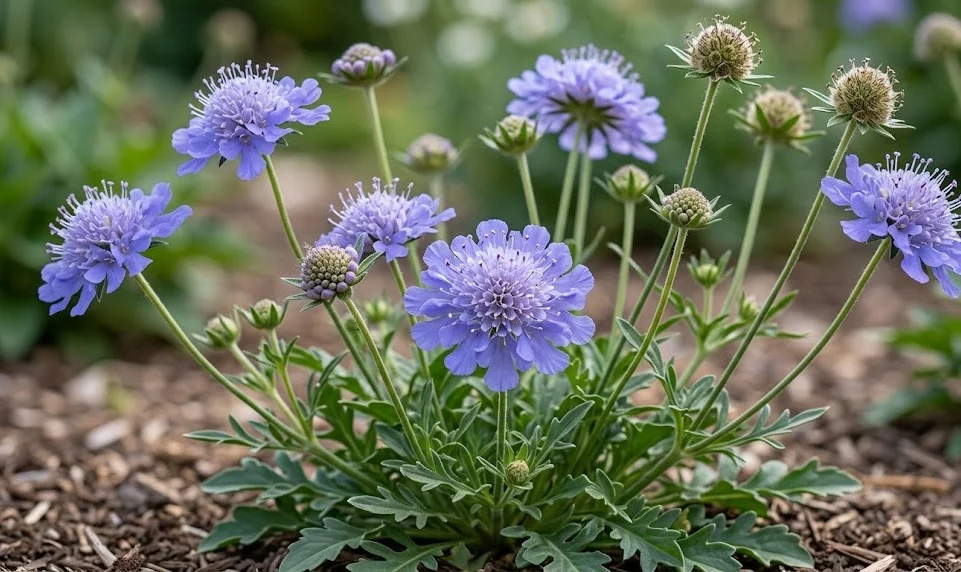

Providing the right environment for the Caucasian pincushion flower is the first step toward a successful garden display. This hardy perennial is cherished for its delicate, ruffled blooms and its ability to attract pollinators like butterflies and bees. You should focus on finding a spot that offers excellent drainage and plenty of sunlight throughout the growing season. A well-placed plant will reward you with a long flowering period that stretches from mid-summer into early autumn.
Regular observation is key to maintaining the health and vigor of this particular species. You need to keep an eye on the foliage to ensure it remains vibrant and free from signs of stress or nutrient deficiency. While the plant is relatively low-maintenance, it does require a bit of attention during extreme weather conditions. By understanding its natural habitat in the Caucasus Mountains, you can better replicate the conditions it needs to thrive in your own landscape.
Establishing a routine for checking soil moisture and plant stability will help prevent most common issues. These flowers prefer a stable environment where they are not constantly moved or disturbed once established. If you notice the stems beginning to flop, it might be an indication that the plant is not receiving enough light or that the soil is too rich. Consistent care during the first year of planting is especially important for developing a deep and resilient root system.
Finally, remember that the beauty of this plant lies in its simplicity and natural elegance. You don’t need to overcomplicate the care process, but rather focus on the core requirements of light, air, and soil quality. As the seasons change, your care strategy should shift to match the plant’s natural growth cycle. This proactive approach ensures that your garden remains a healthy sanctuary for these stunning blue or white flowers.
Creating the ideal soil environment
The soil is the foundation of health for any Caucasian pincushion flower in your garden beds. These plants are somewhat picky about their substrate, preferring a neutral to slightly alkaline pH level for optimal growth. If your soil is naturally acidic, you might consider adding a bit of garden lime to balance the conditions before planting. Ensuring the right chemical balance allows the plant to efficiently absorb the nutrients it needs for its characteristic blooms.
More articles on this topic
Drainage is perhaps the most critical factor when preparing the ground for these beautiful perennials. They absolutely despise having “wet feet,” which can quickly lead to root rot and the eventual death of the plant. If you have heavy clay soil, you should incorporate plenty of organic matter or grit to improve the internal drainage. Raised beds are often an excellent solution for gardeners struggling with heavy, water-retaining earth in their landscape.
Organic matter plays a dual role by improving structure and providing a slow-release source of nutrition. You can mix in well-rotted compost or leaf mold during the initial preparation phase to give the plants a head start. This organic material helps maintain a crumbly texture that allows roots to breathe and expand easily. Avoid using fresh manure, as it can be too high in nitrogen and may burn the delicate root tissues of young plants.
Regularly refreshing the top layer of soil with a light mulch can help maintain a consistent environment for the roots. This mulch should not be piled against the crown of the plant, as this can trap moisture and encourage fungal issues. A thin layer of gravel or shredded bark is often sufficient to keep the soil temperature stable. Over time, the breakdown of organic mulch will continue to feed the soil microbiome, benefiting the entire garden ecosystem.
Maintenance strategies for long-lasting blooms
To keep your Caucasian pincushion flower looking its best, you must implement a consistent deadheading strategy. Removing faded flowers prevents the plant from putting all its energy into seed production, which encourages more buds to form. You should cut the spent flower stalks back to the next set of leaves or all the way to the base of the plant. This simple task can significantly extend the flowering season, providing color well into the cooler months of the year.
More articles on this topic
As the plant grows, the tall and slender flower stalks may require some form of physical support. In windy areas or after heavy rain, the heavy blooms can cause the stems to bend or even snap. You can use discreet bamboo stakes or circular plant supports to keep the stems upright and organized. Providing this structural help early in the season ensures that the plant maintains its graceful silhouette without looking messy.
Foliage maintenance is just as important as caring for the flowers themselves throughout the summer. You should remove any yellowing or damaged leaves to maintain a clean appearance and prevent the spread of disease. This practice also improves air circulation around the base of the plant, which is vital for preventing mildew. A tidy plant is generally a healthier plant, as it allows for better light penetration to the inner parts of the mound.
In mid-summer, you might notice a slight dip in flower production if the weather becomes exceptionally hot and dry. During these periods, providing a bit of extra care and ensuring the plant isn’t stressed can help it recover quickly. Once the temperatures cool down slightly, the plant often experiences a second flush of beautiful blooms. Keeping up with these minor maintenance tasks ensures that your garden remains a showstopper throughout the entire growing period.
The importance of air circulation and spacing
Proper spacing is a fundamental aspect of caring for the Caucasian pincushion flower that many beginners overlook. When planting, you should leave enough room between each specimen to allow for their mature spread and adequate airflow. Crowded plants are much more susceptible to fungal infections because moisture gets trapped between the leaves. Aiming for a distance of about twelve to eighteen inches will usually provide enough space for healthy development.
Good air circulation helps the foliage dry quickly after rain or morning dew, reducing the risk of powdery mildew. You should avoid planting these perennials in low-lying areas where air tends to stagnate or become humid. A slightly breezy spot in the garden is often ideal, as it keeps the leaves dry and discourages pests. If your garden is very densely planted, you might need to thin out neighboring plants to give your pincushion flowers room to breathe.
The structure of the plant itself, with its basal rosette of leaves, is designed to catch light but can also trap debris. You should periodically check the center of the plant and clear away any fallen leaves or garden litter. This prevents the crown from rotting and ensures that new growth can emerge without any physical obstructions. Maintaining this cleanliness is a professional approach that separates successful gardeners from those who struggle with plant loss.
As the plants mature over several years, they may become overly dense and require division to maintain health. Dividing the clumps every three to four years helps rejuvenate the plants and restores proper airflow within the colony. This process also gives you the opportunity to check the health of the root system and move the plants to better locations. By managing the physical space your plants occupy, you are directly influencing their long-term survival and beauty.
Monitoring and reacting to environmental stress
Even with the best care, environmental factors like heatwaves or unseasonable cold can stress your Caucasian pincushion flowers. You should learn to recognize the early signs of stress, such as drooping foliage or a change in leaf color. During intense heat, the plant may temporarily wilt during the day but should recover once the sun goes down. If it remains wilted in the morning, it is a clear sign that you need to intervene with water or shade.
Extreme rain events can also be a source of stress, especially if the soil does not drain as quickly as expected. If the ground remains saturated for too long, you might notice the leaves turning yellow or the stems becoming mushy. In such cases, you might need to carefully loosen the soil around the plant to help it dry out faster. Providing temporary cover during prolonged monsoon-like conditions can sometimes save a prized specimen from drowning.
High winds can be particularly damaging to the tall, elegant flower spikes that this species is known for. If you live in a coastal or exposed area, consider planting them behind a low hedge or a garden wall for protection. While the plant is hardy, physical damage to the stems can open up pathways for pathogens to enter the plant tissue. Being proactive about placement based on your local climate will reduce the amount of emergency care required later.
Finally, keep an eye on the transition between seasons, as this is when the plant is most vulnerable to sudden changes. Late spring frosts can nip new growth, so having some horticultural fleece on hand is always a good idea. Similarly, a sudden heat spike in early summer can scorch young leaves that haven’t yet hardened off. Your role as a gardener is to act as a buffer between the plant and the harshest elements of nature.
Professional tips for aesthetic integration
Integrating the Caucasian pincushion flower into your garden design requires an understanding of its visual impact and growth habit. Its soft, pastel colors pair beautifully with silvery foliage plants like lamb’s ear or lavender. You should place them in the middle of a border where their height can be appreciated without blocking smaller plants. The movement of the flower heads in a light breeze adds a dynamic and airy feel to any landscape design.
Using these flowers in mass plantings creates a stunning “sea” of color that is much more impactful than a single specimen. When planted in groups of three or five, they form a cohesive mound of foliage topped with a cloud of blossoms. This technique also makes it easier for pollinators to find the nectar source, increasing the ecological value of your garden. The repetitive shapes of the flowers provide a sense of rhythm and balance in a professionally designed border.
The Caucasian pincushion flower is also an excellent candidate for a cutting garden due to its long, sturdy stems. You can harvest the flowers when they are about half-open for the longest vase life in indoor arrangements. Cutting the flowers for bouquets actually acts as a form of deadheading, encouraging the plant to produce even more blooms. This dual-purpose nature makes it a favorite among those who enjoy bringing the beauty of the garden inside their homes.
Consider the backdrop against which you are planting these perennials to make their colors truly pop. Dark green evergreens or a dark-stained wooden fence can provide the perfect contrast for the light blue or white petals. You should also think about the texture of neighboring plants, pairing the fine-textured flowers with broader-leaved species for visual interest. A well-thought-out placement ensures that the plant is not just healthy, but also a highlight of your garden’s aesthetic.
Long-term health and rejuvenation strategies
Maintaining the vigor of a Caucasian pincushion flower over many years requires a long-term perspective on plant health. As the plant ages, the center of the clump may begin to die out or become less productive in terms of flowering. This is a natural signal that the plant needs to be lifted and divided to restore its youthful energy. Spring is generally the best time for this rejuvenation, just as the new growth begins to appear.
When you divide the plant, always select the healthiest, most vigorous sections from the outer edges of the clump. You should discard the old, woody center and replant the fresh divisions into well-prepared soil with a bit of compost. This practice essentially resets the biological clock of the plant, allowing it to grow with renewed strength. Professional gardeners often use this method to expand their collection without having to purchase new nursery stock.
Soil exhaustion can become an issue if the plants remain in the same spot for a decade or more. You should periodically test your soil to see if it is lacking in any major or minor nutrients that the plant depends on. Adding a thin layer of compost each spring helps replenish the organic matter and keeps the soil structure healthy. A healthy soil ecosystem supports a strong root system, which is the best defense against pests and diseases.
Always stay curious and continue to learn about the specific needs of the varieties you are growing in your garden. Different cultivars of the Caucasian pincushion flower may have slightly different requirements for sun or moisture. By paying close attention to how your specific plants respond to your care, you can refine your techniques over time. This ongoing relationship between the gardener and the plant is what leads to a truly thriving and beautiful agricultural space.