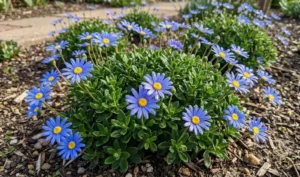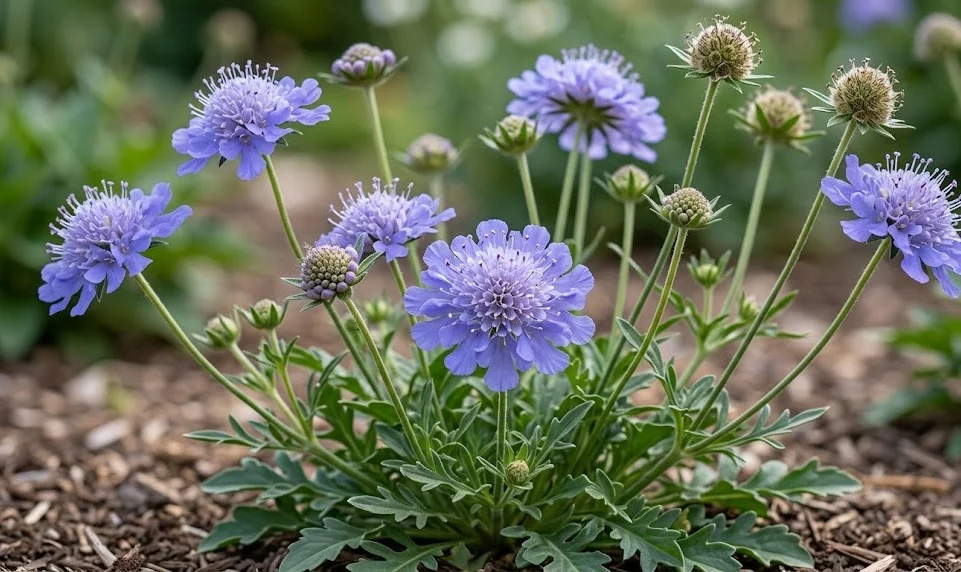

Fungal diseases are the most frequent challenge you will face when cultivating the Caucasian pincushion flower in a residential or commercial garden. Powdery mildew is particularly common, appearing as a white, dusty coating on the leaves and stems during humid weather. You can often prevent this by ensuring your plants have adequate spacing and are located in a spot with excellent air circulation. If the infection becomes severe, it can weaken the plant and significantly reduce the quality of the blossoms.
Botrytis, or gray mold, is another fungal issue that can affect the flowers and buds, especially during prolonged rainy spells in the summer. It usually manifests as fuzzy gray patches that cause the affected tissues to rot and eventually collapse. To manage this, you must promptly remove and destroy any infected plant parts to prevent the spores from spreading to healthy tissue. Avoiding overhead watering is one of the most effective professional strategies for keeping the foliage dry and fungus-free.
Root rot is perhaps the most devastating fungal condition, as it often goes unnoticed until the plant is beyond the point of saving. It is almost always caused by poor drainage or overwatering, which creates an anaerobic environment where harmful fungi thrive. Symptoms include a sudden wilting of the entire plant and a foul smell coming from the soil around the root zone. Ensuring your soil is well-amended with grit or organic matter is the best preventative measure against this silent killer.
If you decide to use fungicides, it is best to opt for organic options like neem oil or potassium bicarbonate-based sprays. These treatments are less harmful to the beneficial insects that visit your flowers while still being effective against many common pathogens. Always apply these sprays in the late evening to avoid burning the leaves in the sun or affecting active pollinators during the day. Consistent monitoring and early intervention are the cornerstones of a professional disease management program.
Identifying and controlling insect pests
While the Caucasian pincushion flower is generally resistant to many bugs, certain insect pests can still cause significant damage if left unchecked. Aphids are small, sap-sucking insects that often cluster on the tender new growth and the undersides of the leaves. They can cause the foliage to curl and become stunted, and they also excrete a sticky substance called honeydew that encourages mold. A strong stream of water from a garden hose is often enough to dislodge these pests without the need for chemicals.
More articles on this topic
Slugs and snails can be a major problem for young plants and new shoots in the early spring when the weather is damp. They can quickly strip a small plant of its leaves, leaving behind characteristic slime trails as evidence of their nightly visits. You can manage these pests using beer traps, copper tape, or by manually removing them during their peak activity hours at night. Maintaining a clean garden area free of debris where these mollusks can hide is a vital part of pest control.
Spider mites may become an issue during hot, dry periods when the plant is already under a certain amount of environmental stress. These tiny pests are hard to see with the naked eye, but you might notice fine webbing and a mottled appearance on the leaves. Increasing the humidity around the plant and ensuring it is well-hydrated can help discourage these mites from taking up residence. In extreme cases, an insecticidal soap can be used to bring the population back under a manageable level.
Leaf miners occasionally create winding, silver-colored tunnels inside the leaves as they feed on the internal tissue of the plant. While the damage is usually cosmetic, a heavy infestation can reduce the plant’s ability to photosynthesize and grow. You should remove any leaves that show signs of mining and dispose of them in the trash rather than the compost pile. This prevents the larvae from completing their life cycle and returning to haunt your garden in the next season.
Integrated Pest Management strategies
Adopting an Integrated Pest Management (IPM) approach is the most professional and sustainable way to handle problems in your garden beds. This philosophy focuses on long-term prevention through healthy plant care rather than relying solely on chemical interventions. By ensuring your Caucasian pincushion flowers are well-fed, properly watered, and correctly spaced, you are naturally boosting their immune systems. A healthy plant is much less attractive to pests and far better at recovering from minor disease issues.
More articles on this topic
Encouraging natural predators is a key component of a successful IPM strategy for any agricultural or decorative landscape. Ladybugs, lacewings, and hoverflies are all excellent allies that feed on aphids and other small, soft-bodied pests. You can attract these beneficial insects by planting a variety of flowers that provide them with nectar and pollen throughout the year. Avoiding broad-spectrum pesticides is essential to keep these “garden helpers” safe and active in your local ecosystem.
Regular scouting is a simple but effective habit that allows you to catch problems while they are still in the early stages. You should take a walk through your garden several times a week, looking closely at the stems and under the leaves of your plants. Identifying a few aphids early is much easier to manage than dealing with a massive infestation that has spread to your entire collection. This proactive observation is what characterizes a professional approach to plant health and garden maintenance.
If an intervention is necessary, always start with the least toxic method available, such as manual removal or cultural adjustments. For example, if you see a fungal issue developing, you might first try thinning out neighboring plants to improve the airflow. Only move to chemical treatments if these softer methods fail and the health of the plant is genuinely at risk. This tiered approach protects the environment and ensures that your garden remains a healthy place for all living things.
Addressing soil-borne pathogens and hygiene
Soil hygiene is an often-overlooked aspect of preventing diseases in perennials like the Caucasian pincushion flower. Pathogens can survive in the soil or on fallen plant debris for many years, waiting for the right conditions to strike again. You should make it a habit to clean your garden tools with a mild bleach solution after working on a plant that appears to be sick. This prevents you from accidentally moving diseases from one part of your garden to another as you work.
When a plant dies from a suspected disease, it is critical to remove the entire root ball and the surrounding soil to prevent future infections. You should never add diseased plant material to your home compost pile, as it may not reach a high enough temperature to kill the spores. Disposing of this material in the household trash or through a professional green waste service is the safest choice. Keeping your garden beds clean and free of dead material reduces the hiding spots for both pests and pathogens.
Crop rotation, or at least moving plants to a new location every few years, can also help break the cycle of soil-borne diseases. If you have had recurring problems with root rot in a specific spot, avoid planting the same species there for at least three seasons. This gives the soil time to rebalance and allows the specific pathogens that target that plant to die off naturally. A dynamic and changing garden layout is often a healthier one because it prevents the buildup of specialized pests.
Using clean, high-quality mulch and compost is another professional step toward maintaining a healthy soil environment for your flowers. Avoid using materials of unknown origin that might contain weed seeds or disease-causing organisms that could infect your soil. If you produce your own compost, ensure it is well-turned and reaches the appropriate temperatures for sterilization. A healthy soil foundation is the best insurance policy you can have against the many threats that plants face.
Long-term resilience and plant health
Building long-term resilience in your Caucasian pincushion flowers requires a holistic understanding of how they interact with their environment. Each variety might have slightly different levels of resistance to specific diseases, so it pays to do your research when buying. Selecting cultivars that are known for their vigor and health in your specific region can save you a lot of trouble later. A well-chosen plant is already halfway to being a successful and healthy part of your garden’s ecosystem.
Don’t be afraid to experiment with different planting densities and locations to see what works best in your specific microclimate. What works in a sunny, breezy garden might not be appropriate for a more sheltered, humid backyard setting. Your goal is to find the “sweet spot” where the plant can grow without being constantly stressed by its surroundings. Observation and adaptation are the tools of the trade for any successful gardener or agricultural professional.
Sometimes, despite your best efforts, a plant may simply fail to thrive in a particular spot due to invisible factors like soil chemistry or hidden pests. In these cases, it is often better to remove the struggling plant and try something else rather than pouring resources into a lost cause. A professional gardener knows when to persist and when it is more efficient to start fresh with a new strategy. This decisiveness keeps the overall garden looking healthy and vibrant throughout the entire growing season.
Finally, remember that a few pests or a bit of mildew is a natural part of any outdoor environment and not a sign of failure. The goal is management and balance, not total eradication, which is often impossible and environmentally damaging. By fostering a diverse and healthy garden, you are creating a resilient system that can handle minor setbacks with ease. Your Caucasian pincushion flowers will reward this balanced approach with years of beautiful, healthy, and abundant blooms.