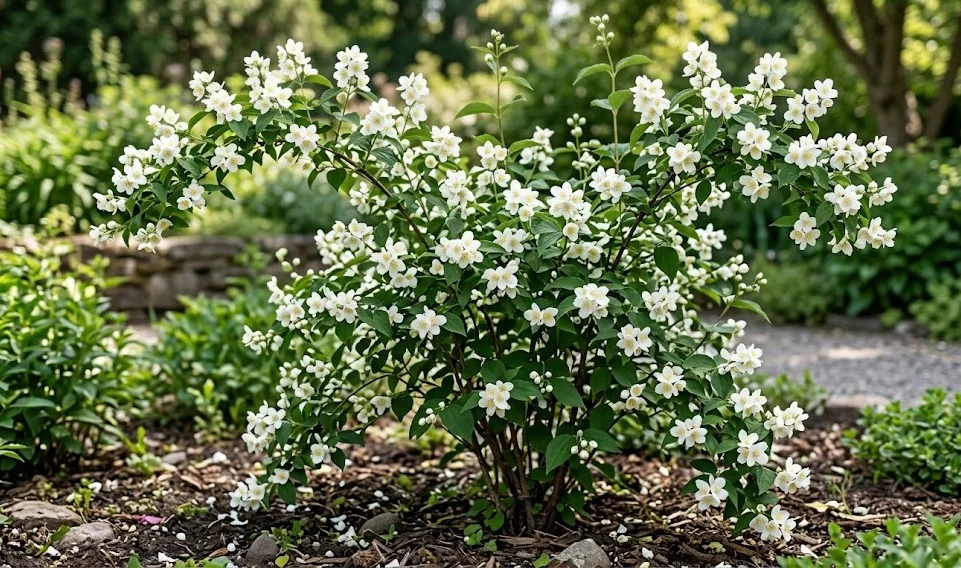

Mastering the hydration and nutritional needs of the mock orange is the key to unlocking its full ornamental potential. While these shrubs are relatively tough, their flowering performance and overall vitality are directly linked to the quality of care they receive. Proper watering ensures that the plant remains turgid and healthy, while strategic fertilizing provides the building blocks for growth. Balancing these two elements requires an understanding of the shrub’s seasonal demands and the specific conditions of your garden.
Hydration needs by season
The water requirements of the mock orange vary significantly as it moves through its annual growth cycle. In the early spring, as the leaves emerge, the plant needs consistent moisture to support rapid cell expansion. If the spring is dry, you should begin your watering routine earlier than usual to prevent growth stalls. This initial hydration is the foundation for the upcoming flowering period and the overall health of the shrub.
During the peak of the summer, the demand for water reaches its maximum level due to high temperatures and evaporation. You may find that the plant needs a deep soaking once or twice a week depending on your local climate. It is better to water deeply and less frequently than to provide light daily sprinkles that only wet the surface. Deep watering encourages the roots to grow downward into the cooler, moister layers of the soil.
As autumn approaches and temperatures begin to drop, you should gradually reduce the frequency of your watering. The plant’s metabolic rate slows down, and it no longer requires the same volume of moisture to sustain itself. However, do not allow the soil to become bone-dry before the first hard freeze of the winter. Maintaining a moderate level of soil moisture helps the plant transition into dormancy without unnecessary stress.
Winter watering is often overlooked but can be vital during prolonged dry spells in regions with mild winters. Even though the shrub is dormant, the roots still need a baseline level of moisture to remain viable. If the ground is not frozen and there has been no rain or snow for several weeks, a light watering is beneficial. This prevents the root system from desiccating, ensuring a stronger “wake-up” when spring finally arrives.
More articles on this topic
Water quality and delivery methods
The type of water you use and how you deliver it can impact the efficiency of your gardening efforts. Rainwater is the ideal choice for most plants, including the mock orange, as it is naturally soft and free of chemicals. If you have the capacity to collect rainwater in barrels, your shrubs will appreciate the natural pH and mineral content. Most municipal tap water is perfectly acceptable, though some plants may react to high chlorine levels if used exclusively.
Drip irrigation is one of the most efficient ways to deliver water directly to the root zone of your shrubs. This method minimizes evaporation and keeps the foliage dry, which helps prevent the development of fungal diseases. You can set these systems on timers to ensure consistent delivery even when you are away from home. For many gardeners, a simple soaker hose snaked around the base of the plants is a cost-effective alternative.
When watering by hand, always aim the stream at the base of the plant rather than over the leaves. Wetting the foliage frequently, especially in the evening, creates an environment where powdery mildew and other pathogens can thrive. Using a watering wand with a gentle shower setting allows you to saturate the ground without disturbing the soil or mulch. This method also gives you a chance to inspect the plant closely for any emerging issues.
Monitoring the moisture level of the soil is best done by feeling the earth a few inches below the surface. Surface soil can often look dry while the area around the roots remains perfectly moist. If the soil feels damp at a depth of three inches, you can probably wait another day before watering again. This hands-on approach prevents the common mistake of overwatering, which can be just as damaging as a drought.
More articles on this topic
Nutrient requirements and mineral balance
A mock orange needs a variety of macronutrients and micronutrients to maintain its dark green leaves and produce its signature flowers. Nitrogen is essential for the vegetative growth of stems and foliage, but it must be used with caution. Too much nitrogen can lead to excessive green growth at the expense of the fragrant white blossoms we value. A balanced approach ensures the plant has enough energy for both structural integrity and reproductive success.
Phosphorus and potassium are the other two primary components of most fertilizers and play vital roles in the plant’s health. Phosphorus is particularly important for root development and the initiation of flower buds throughout the spring. Potassium acts as a general tonic, improving the plant’s overall resistance to diseases and environmental stresses. Ensuring a steady supply of these minerals helps the shrub withstand the challenges of a long growing season.
Micronutrients like iron, magnesium, and manganese are needed in much smaller quantities but are no less important. A deficiency in these elements often shows up as chlorosis, where the leaves turn yellow while the veins remain green. Using a high-quality compost or a fertilizer that includes trace minerals can prevent these unsightly and stressful conditions. Healthy soil biology also helps make these minerals more available to the plant’s root system.
The timing of fertilizer applications should coincide with the plant’s natural growth spurts for maximum effectiveness. A primary feeding in early spring, just as the buds begin to break, provides the fuel for the initial flush of growth. A secondary, lighter feeding after the flowers have faded can help the plant recover and prepare for next year. Avoid fertilizing late in the summer, as this can encourage soft growth that won’t harden off before winter.
Organic versus synthetic fertilizers
Many professional gardeners prefer organic fertilizers because they improve the soil structure while feeding the plant. Materials like compost, well-rotted manure, and bone meal release their nutrients slowly over a long period. This slow-release mechanism mimics natural processes and reduces the risk of “burning” the plant’s sensitive roots. Organic matter also supports the beneficial fungi and bacteria that live in a healthy garden ecosystem.
Synthetic fertilizers offer the advantage of precise nutrient ratios and immediate availability to the plant. These are often used when a quick correction is needed for a specific nutrient deficiency identified in the garden. They come in various forms, including granules, spikes, and water-soluble powders that can be applied to the soil or foliage. While effective, they do nothing to improve the long-term health of the soil and can sometimes lead to salt buildup.
Mulching with organic materials is a form of passive fertilizing that every gardener should practice. As the mulch breaks down, it continuously adds small amounts of nutrients and humus to the soil surface. Wood chips, shredded leaves, or straw are all excellent choices that also help with moisture retention and weed suppression. This layer of protection creates a stable environment for the root system and the various organisms that support it.
Choosing between organic and synthetic often comes down to your personal gardening philosophy and the specific needs of your plants. Many people find success using a combination of both, relying on organic matter for base health and synthetics for targeted boosts. Whichever you choose, always follow the application instructions carefully to avoid over-applying. The mock orange is a moderate feeder and will reward you more for consistency than for excessive quantity.
Monitoring soil health
Regularly assessing the condition of the soil around your mock orange allows you to make informed decisions about care. Healthy soil should have a crumbly texture and a dark, rich color that indicates high organic content. If the soil becomes hard and compacted, the roots will struggle to breathe and absorb nutrients effectively. You can improve compaction by gently aerating the soil around the drip line with a garden fork.
Earthworms are a fantastic natural indicator of soil health and provide free labor in your garden. If you see plenty of worms when you move the mulch aside, it’s a sign that your soil biology is thriving. These creatures tunnel through the earth, creating channels for air and water while recycling organic matter into fertilizer. Encouraging a healthy worm population is one of the best things you can do for the long-term success of your shrubs.
Ph testing is a simple task that can solve many mysterious growth problems before they become serious. You can purchase inexpensive testing kits at most garden centers or send a sample to a professional lab for analysis. If the pH is too far outside the neutral range, the plant may be unable to access certain nutrients even if they are present. Adjusting the pH with lime or sulfur is a slow process but yields significant results over time.
Observing how the soil behaves during a heavy rain can also give you clues about its current state. If the water runs off the surface instead of soaking in, your soil may have become hydrophobic or overly compacted. Conversely, if the water sits in puddles for hours, you have a drainage issue that needs to be addressed. Understanding these physical properties allows you to tailor your watering and fertilizing routines to the actual needs of your specific garden plot.