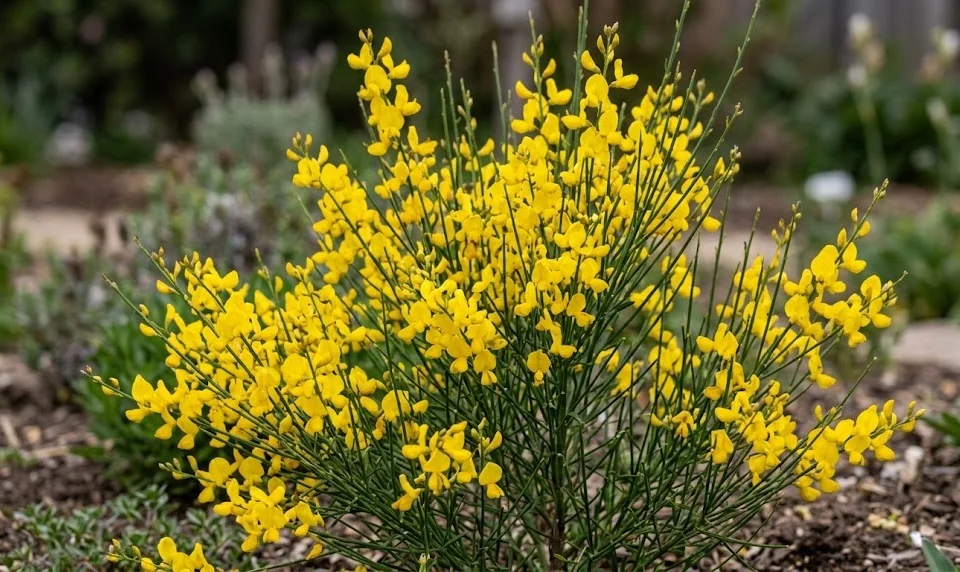

Proper pruning is the most effective way to manage the growth, health, and aesthetic appeal of the Spanish broom over many years. This shrub has a natural tendency to become leggy and woody at the base if left to its own devices in the garden. Strategic cutting back encourages the development of fresh, green stems that are more productive and visually striking. A professional pruning routine starts with a clear understanding of the plant’s growth cycle and its ability to regenerate from old wood.
Timing is the most critical element when planning your pruning tasks to ensure you don’t accidentally remove the coming season’s flowers. Because this species blooms on the current year’s growth, the best time to prune is in the early spring, just before the new shoots begin to emerge. This allows the plant to direct all its spring energy into the buds that will form the year’s spectacular golden display. Pruning too late in the season can significantly reduce the number of flowers and may stress the plant as it enters the hot summer months.
Human judgment plays a vital role in deciding how much wood to remove and which branches to prioritize for the health of the shrub. Each cut should be made with a specific purpose, whether it is to improve air circulation, remove dead wood, or shape the overall specimen. Using sharp, clean tools is a non-negotiable professional standard that prevents the tearing of bark and the introduction of disease. A well-pruned broom should look balanced and natural, even immediately after a significant cutting session.
Consistency is the final pillar of a successful pruning strategy, as small annual interventions are much better than occasional, drastic removals. By taking a little bit off each year, you can maintain the plant’s youthful vigor and prevent it from becoming a tangled mess of unproductive wood. This proactive approach ensures that the Spanish broom remains a tidy and attractive feature in the landscape. Regular pruning is a rewarding part of garden maintenance that pays dividends in the form of a healthier and more prolific plant.
Tools and techniques for clean cuts
The choice of tools for pruning a Spanish broom depends on the thickness of the wood you are intending to remove. For the slender green stems of a young plant, a sharp pair of bypass secateurs is the ideal tool for making clean, precise cuts. As the plant ages and develops thicker woody branches, you may need to transition to long-handled loppers or even a small pruning saw. Using the right tool for the job ensures that you don’t crush the delicate internal tissues of the plant while you work.
More articles on this topic
Cleanliness is just as important as sharpness when it comes to the maintenance of your pruning equipment. Pathogens can easily be transferred from a diseased plant to a healthy one through contaminated blades. It is a professional practice to wipe your tools with a disinfectant or rubbing alcohol before moving between different specimens in the garden. This simple step is one of the most effective ways to prevent the spread of fungal and bacterial infections throughout your landscape.
The mechanics of the cut itself should follow the standard rules of professional horticulture to ensure rapid healing. Each cut should be made at a slight angle, approximately half a centimeter above a healthy, outward-facing bud. This encourages the new growth to move away from the center of the plant, maintaining an open and airy structure. Avoiding leaving long “stubs” or cutting too close to the bud prevents the wood from drying out or the bud from being damaged during the healing process.
When removing larger woody branches, it is often best to use a three-cut method to prevent the weight of the branch from tearing the bark down the main stem. First, make an undercut a few inches from the final destination, then a top cut further out to remove the bulk of the branch. Finally, make the clean, finishing cut just outside the branch collar where the plant’s natural healing chemicals are most concentrated. This professional technique ensures a clean wound that the plant can seal over quickly and effectively.
Shaping and thinning for health
Thinning out the center of the shrub is a vital part of maintaining a healthy Spanish broom, especially in areas with high humidity. Removing a few of the oldest or most crowded stems from the base allows air to circulate more freely through the entire plant. This reduced humidity within the canopy is the best natural defense against fungal diseases like powdery mildew and rust. A plant with an open, airy structure is also more resilient against the physical pressure of strong winds and heavy snow.
More articles on this topic
Shaping the plant involves more than just controlling its height; it’s about creating a balanced and aesthetically pleasing form that fits your garden design. You can encourage a more compact and bushy habit by lightly tipping the new growth in the early summer after the first flush of flowers. This stimulates the plant to produce more lateral branches, increasing the density of the green stems and the potential for future blooms. However, be careful not to over-do this, as the natural verticality of the broom is one of its most attractive features.
Removing “crossing” or rubbing branches is a priority for any pruning session to prevent physical wounds that can become entry points for pests. Where two stems are competing for the same space, the weaker or more poorly positioned one should be removed entirely. This reduces the internal competition for light and nutrients, allowing the remaining branches to become stronger and more productive. A professional gardener is always looking for ways to simplify the plant’s structure for the benefit of its long-term health.
The base of the plant should also be monitored for any unwanted suckers or self-seeded saplings that may emerge around the main trunk. These can quickly become a nuisance and detract from the clean, structural lines of the mature specimen. Removing these extra growths as soon as they appear keeps the energy focused on the main framework of the shrub. A well-maintained broom should have a clear and defined presence in the garden, which is achieved through regular thinning and shaping.
Rejuvenation of old or neglected shrubs
If you have inherited an old Spanish broom that has become a tangled mass of unproductive wood, a more drastic rejuvenation pruning may be necessary. This species is remarkably resilient and can often be brought back to life by cutting the entire plant back to within thirty centimeters of the ground. This “stooling” technique should be done in early spring to give the plant the entire growing season to recover and produce new shoots. While the plant won’t bloom in the first year after such treatment, it will return with much greater vigor in the second season.
Rejuvenation should always be supported by a bit of extra care to help the plant recover from the shock of losing its entire canopy. Ensuring the soil is properly hydrated and applying a light layer of mulch can provide the stable environment needed for new growth. You should also keep a close eye on the emerging shoots and thin them out if they become too crowded around the base. This professional intervention allows you to rebuild the plant’s structure from the ground up, ensuring it remains a productive part of the garden for many more years.
In some cases, it may be better to rejuvenate the plant over two or three years by removing only a third of the old wood each season. This “staged” approach is less stressful for the plant and allows you to maintain some height and floral display during the transition. Focus on removing the oldest, most brittle wood first, leaving the younger and more flexible stems to carry the plant through the year. This gradual renewal is a professional secret for maintaining a consistent appearance in a mature garden bed.
After any significant pruning, it is important to monitor the plant for any signs of pest activity or secondary disease. The fresh, succulent growth that emerges after a hard prune is especially attractive to aphids and other sucking insects. Being ready to intervene with a gentle organic treatment ensures that your rejuvenation efforts are not wasted. A successfully rejuvenated Spanish broom is a testament to the plant’s incredible resilience and the gardener’s professional skill in managing its life cycle.