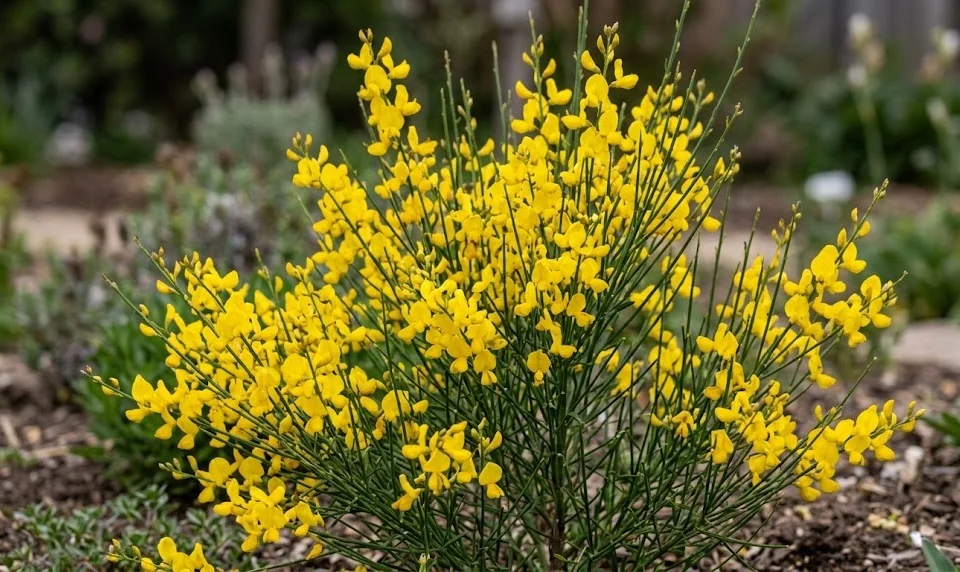

The water and nutrient requirements of Spanish broom are unique, reflecting its evolutionary history in the rocky, arid landscapes of the Mediterranean. While many ornamental shrubs demand constant attention and regular feeding, this species thrives on a philosophy of minimal intervention. Over-watering and over-fertilizing are the most common mistakes made by enthusiastic gardeners who are used to more demanding plants. Understanding the natural rhythm of the plant allows for a more sustainable and successful approach to its long-term care.
During the initial establishment phase, the young plant requires a more consistent supply of moisture to develop its deep root system. Once the roots have reached into the lower levels of the soil, the shrub becomes remarkably independent and drought-resistant. It is designed to survive long, hot summers with little to no supplemental irrigation once it has matured. This inherent efficiency is one of the primary reasons it is favored for low-maintenance and ecological garden designs.
Fertilization is rarely necessary for this nitrogen-fixing species, which can actually suffer from too much artificial nutrition. The goal of any supplemental feeding should be to support the natural health of the plant rather than to force rapid, unnatural growth. Professional growers focus on maintaining a healthy soil structure that allows the plant to access minerals naturally. A light touch is always better than a heavy hand when it comes to the chemical needs of this particular shrub.
Observation is the best tool for determining when a Spanish broom might actually need a helping hand with water or nutrients. Changes in the color or texture of the green stems can provide early warnings of environmental stress or mineral imbalances. By paying close attention to these subtle signals, a gardener can provide exactly what is needed at the right time. This professional approach ensures that the plant remains healthy, productive, and aesthetically pleasing for many years to come.
Irrigation strategies for young plants
When a new Spanish broom is first introduced to the garden, its root system is limited to the volume of the container it grew in. During the first growing season, it is crucial to provide deep, thorough watering whenever the top few centimeters of soil feel dry. This encourages the roots to grow downward in search of moisture, rather than staying near the surface where they are vulnerable to heat. A weekly deep soak is generally much more effective than light daily sprinkling which only wets the surface.
More articles on this topic
As the plant begins to show signs of new growth, the frequency of watering can be gradually reduced to encourage self-sufficiency. It is important to monitor the weather conditions closely, as a sudden heatwave can quickly dehydrate a young, unestablished specimen. The time of day also matters, with early morning being the ideal window for irrigation to minimize evaporation and fungal risks. Avoiding getting water directly on the foliage helps keep the plant clean and reduces the chance of sun-scald.
During the first winter, the watering needs of the plant will drop significantly as it enters its dormant phase. However, if the winter is exceptionally dry and the ground is not frozen, a monthly watering may still be beneficial for young plants. The goal is to keep the root zone from completely drying out without creating a soggy, cold environment. This balanced approach protects the delicate tissues while they are resting and preparing for the next spring surge.
By the second year, the shrub should be well on its path to becoming a drought-tolerant fixture in the landscape. You can begin to treat it more like a mature specimen, only providing extra water during periods of extreme and prolonged drought. The transition from a dependent sapling to a resilient adult is a gradual process that rewards the patient gardener. Once the plant has achieved this milestone, it will require very little thought regarding irrigation under normal weather patterns.
Managing mature plants in dry conditions
Mature specimens of Spanish broom have an incredible capacity to survive even the most punishing droughts without significant damage. Their root systems are designed to tap into deep soil moisture that is unavailable to many other garden plants. This makes them an ideal choice for areas of the garden that are difficult to reach with a hose or irrigation system. In most climates, natural rainfall is more than sufficient to sustain a healthy, established shrub throughout the entire year.
More articles on this topic
If a period of extreme drought lasts for several months, the plant may enter a semi-dormant state to conserve its internal resources. You might notice the green stems becoming slightly less vibrant or a minor shedding of any small leaves that might be present. This is a natural survival mechanism and should not be a cause for immediate alarm or excessive watering. If the stress appears severe, a single deep irrigation event can provide the necessary relief without disrupting the plant’s natural rhythm.
Over-watering a mature broom is far more dangerous than under-watering, as it can quickly lead to lethal root rot. Stagnant water in the root zone prevents oxygen from reaching the plant tissues and encourages the growth of harmful anaerobic bacteria. If you notice the stems turning yellow and becoming soft at the base, it is a clear sign that the soil is holding too much moisture. The best course of action is usually to stop all supplemental watering immediately and allow the soil to dry out completely.
In regions with high summer humidity, the plant’s water needs are even lower as it can absorb some moisture through its green stems. Good air circulation is vital in these conditions to prevent moisture from lingering on the plant’s surface for too long. Strategic placement in an open, breezy part of the garden will help the plant manage its internal water balance naturally. Professional landscaping often utilizes these traits to create beautiful, water-wise displays that require zero summer irrigation.
The science of nitrogen fixation and feeding
The most fascinating aspect of the Spanish broom’s nutrition is its ability to create its own fertilizer through nitrogen fixation. This process occurs in small nodules on the roots where the plant hosts specialized bacteria known as Rhizobia. These bacteria take nitrogen from the air in the soil and convert it into ammonium, which the plant can use for growth. This biological partnership is so efficient that the plant rarely experiences nitrogen deficiency even in the poorest of soils.
Because the plant is providing its own nitrogen, adding high-nitrogen fertilizers to the soil can be highly counterproductive. It disrupts the natural symbiosis and can actually weaken the plant by forcing it to grow too fast. The resulting wood is often soft and lacks the structural integrity needed to support a heavy floral display. Gardeners should view the plant as a self-sustaining system that thrives on its ability to improve its own environment over time.
If the soil is known to be severely deficient in other essential minerals like phosphorus or potassium, a very light application of a balanced mineral fertilizer may be helpful. These elements are important for strong root development and the production of the vibrant yellow flowers that make the shrub so popular. Any such application should be done in early spring as the plant is just beginning its active growth phase. Always follow the principle of “less is more” to avoid upsetting the delicate chemical balance of the root zone.
The addition of organic matter to the soil surface should also be handled with caution to avoid creating a nutrient-heavy environment. A thin layer of well-rotted leaf mold can be beneficial, but heavy manures or rich composts should be avoided near the base of the plant. The natural leaf litter and spent flowers that fall to the ground provide a gentle, slow-release source of nutrients as they decompose. This mimics the natural forest floor and supports a healthy, long-term mineral cycle for the shrub.
Application methods and timing for amendments
When applying any form of soil amendment, it is important to distribute it evenly across the entire root zone of the plant. The root system typically extends well beyond the drip line of the branches, so the application area should be generous. Scratching the minerals lightly into the surface of the soil helps them reach the roots more quickly after the next rain or watering. Avoiding direct contact between concentrated fertilizers and the main woody stem prevents chemical burns to the sensitive bark.
The timing of any supplemental feeding is critical to ensure the plant can actually utilize the nutrients provided. Early spring, just as the first green buds begin to swell, is the most effective window for supporting the coming season’s growth. Feeding too late in the summer can encourage new growth that won’t have time to harden off before the arrival of winter frost. This late-season tissue is easily damaged and can provide an entry point for various pests and diseases.
In very sandy or rocky soils where minerals are easily washed away by rain, a second very light application in early summer might be considered. This can help sustain the plant’s energy if it is producing an exceptionally heavy crop of flowers and seeds. However, this should only be done if the plant shows visible signs of slowing down or a lack of vigor. Most professional gardeners find that a single annual check of the soil condition is more than enough for this resilient species.
Using liquid seaweed extracts can be a gentle way to provide trace elements without the risk of over-fertilization. These products often act as a tonic that improves the plant’s overall stress resistance and health. They can be applied as a soil drench around the base of the plant during a regular watering session. This method ensures that the micronutrients are immediately available to the roots in a form that is easy for the plant to process.
Maintaining the balance of soil health
The ultimate goal of watering and fertilization is to create a stable environment where the Spanish broom can take care of itself. A healthy soil is not just a collection of chemicals, but a living ecosystem of fungi, bacteria, and insects. Over-use of synthetic fertilizers can harm these beneficial organisms and lead to a decline in the natural fertility of the site. Encouraging a diverse soil life is the most effective long-term strategy for maintaining a beautiful and productive shrub.
Monitoring the pH of the soil is a professional practice that can prevent many nutritional problems before they start. If the soil becomes too acidic, the plant’s ability to fix nitrogen and absorb other minerals can be severely impaired. A simple soil test every few years is an inexpensive way to stay informed about the chemical state of your garden beds. If necessary, a light application of lime can help maintain the neutral to alkaline conditions that this species prefers.
Inorganic mulches like gravel or slate are excellent for this plant because they do not change the soil chemistry as they age. They also help to suppress weeds that would otherwise compete with the broom for the limited water and nutrients available in the soil. These materials stay cool in the summer and provide a clean, professional appearance to the landscape. They perfectly complement the structural beauty of the shrub while serving a vital practical purpose in moisture management.
Respecting the plant’s natural adaptations is the key to a successful partnership between the gardener and the Spanish broom. By providing just enough support to overcome extreme conditions, you allow the plant’s inherent strength to take center stage. A well-managed broom is a testament to the idea that sometimes the best care involves knowing when to step back and let nature take its course. This approach results in a more resilient garden and a more rewarding experience for the grower.