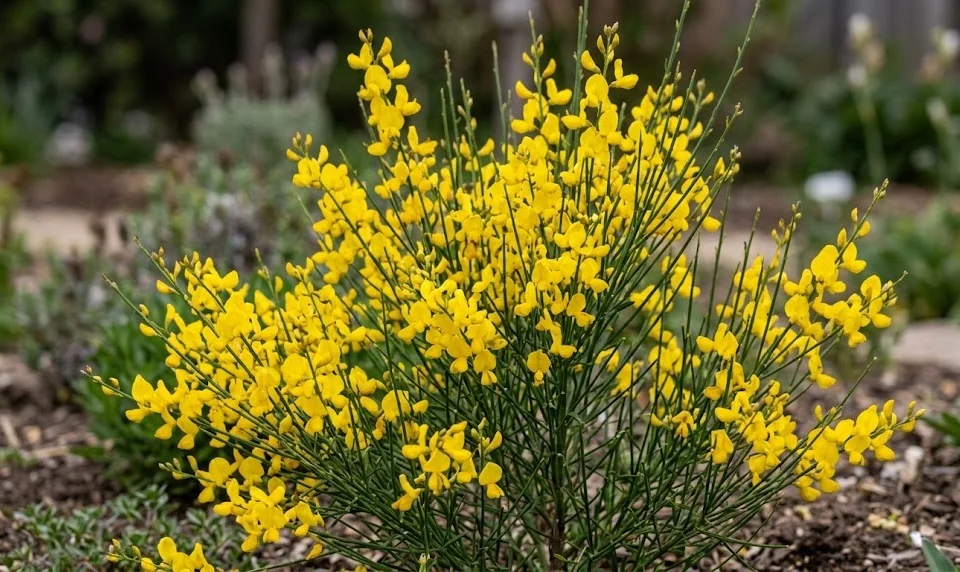

Establishing a new Spanish broom in the landscape is a rewarding process that begins with careful planning and site preparation. This resilient shrub offers a unique vertical element to gardens, provided it is given the correct start in its permanent location. The transition from a nursery container to the open ground is a critical period that determines the future health of the specimen. Proper planting techniques minimize transplant shock and encourage the rapid development of a deep, stabilizing root system.
The best time for planting is typically in the early spring or autumn when temperatures are mild and natural rainfall is more frequent. Spring planting allows the shrub to establish itself before the intense heat of summer arrives, while autumn planting utilizes the residual warmth in the soil. Avoiding periods of extreme frost or drought during the initial weeks is essential for a successful outcome. A well-timed start provides the plant with the energy it needs to thrive throughout its first full growing season.
Before digging the planting hole, it is vital to ensure the chosen location meets the strict requirements for light and drainage. This shrub will not tolerate standing water or heavy shade, both of which lead to rapid decline and eventual death. The site should be cleared of competitive weeds and grass to give the young plant unobstructed access to soil nutrients. Taking the time to prepare the site properly is far more effective than trying to correct poor conditions later.
Human touch in the planting process involves handling the root ball with extreme care to avoid damaging the delicate fine roots. Unlike some more vigorous shrubs, this species can be sensitive to root disturbance once it has begun to grow. Positioning the plant at the same depth it was growing in its container is a simple but vital rule to follow. Ensuring the soil is firmed down gently but firmly around the base eliminates air pockets and provides immediate stability.
Seed propagation and germination techniques
Growing Spanish broom from seed is an economical way to produce a large number of plants for hedging or mass planting. The seeds have a very hard outer coat that must be breached or softened before germination can occur. This natural dormancy ensures that the seeds only sprout when environmental conditions are ideal for survival in the wild. Gardeners can mimic this process through several proven methods of scarification or soaking.
More articles on this topic
One common technique involves soaking the seeds in hot water for twenty-four hours before sowing them into a well-draining seed mix. The water should be hot to the touch but not boiling, as extreme temperatures can damage the internal embryo. After the soak, the seeds that have swollen significantly are ready to be planted immediately into individual pots. Those that remain small and hard can be treated again or lightly rubbed with sandpaper to encourage water absorption.
Sowing should take place in a controlled environment like a greenhouse or a sunny windowsill where temperatures remain consistent. A high-quality, grit-based compost is the best medium for young seedlings, as it prevents the damping-off diseases that plague many germinating plants. The seeds should be covered with only a thin layer of substrate, just enough to keep them moist while allowing light to reach the emerging shoots. Patience is required, as germination can be erratic and may take several weeks to complete.
Once the seedlings have produced their first set of true leaves, they should be monitored closely for any signs of overcrowding. Transplanting them into larger individual containers as soon as they are sturdy enough to handle prevents the roots from becoming tangled. It is important to grow them on for at least one full season before attempting to move them to their final positions in the garden. This extra time allows the young plants to develop the resilience needed to face outdoor challenges.
Vegetative propagation through cuttings
Propagating Spanish broom through cuttings is an excellent way to ensure that the new plants are identical to the parent specimen. Semi-ripe cuttings taken in the late summer are generally the most successful for this particular species. These are shoots that have begun to harden at the base but are still flexible and green at the tips. Choosing healthy, pest-free material from the current year’s growth is the first step toward a successful clone.
More articles on this topic
Each cutting should be approximately ten to fifteen centimeters long and taken with a sharp, sterilized knife to ensure a clean wound. Removing the lower leaves and dipping the base of the stem into a rooting hormone can significantly increase the chances of success. The cuttings should then be inserted into a mixture of perlite and peat or a similar professional-grade rooting medium. Maintaining high humidity around the cuttings is essential to prevent them from drying out before roots can form.
A cold frame or a shaded area of the greenhouse provides the ideal microclimate for the rooting process to take place. It is important to keep the medium consistently moist but never waterlogged, as the stems are prone to rotting in stagnant conditions. Rooting typically takes several months, and the cuttings should be left undisturbed during this sensitive period. Once new growth appears at the tips, it is a clear sign that a functional root system has finally developed.
The young rooted plants should be gradually hardened off by exposing them to outdoor conditions for increasing periods each day. This process prepares them for the transition from a sheltered nursery environment to the realities of the garden. They are usually ready for permanent planting by the following spring, once the danger of severe frost has passed. Propagating from cuttings allows for the continuation of specific desirable traits, such as particularly large flowers or a compact growth habit.
Site preparation and planting mechanics
A successful planting starts with a hole that is at least twice as wide as the current root ball but no deeper. Loosening the soil at the bottom and sides of the hole allows the new roots to penetrate the surrounding earth more easily. If the soil is naturally heavy, incorporating a few handfuls of sharp sand can improve the immediate drainage around the roots. Avoiding the use of rich compost or heavy fertilizers in the planting hole is a professional tip that prevents lanky growth.
Carefully removing the plant from its container is a task that requires a gentle hand to keep the root ball intact. If the roots are circling the inside of the pot, they can be lightly teased outward to encourage them to explore the new soil. The shrub should be placed in the center of the hole, ensuring that it stands perfectly upright before the backfilling process begins. Checking the alignment from multiple angles ensures the plant will grow into a balanced and attractive specimen.
Backfilling should be done in stages, firming the soil with your hands at each level to remove any large air gaps. Once the hole is filled, the surface should be level with the surrounding ground to prevent water from pooling around the main stem. A shallow basin formed from the soil around the outer edge of the planting area can help direct water toward the roots during the first few weeks. This simple structural addition is especially helpful during dry spells in the initial establishment phase.
Watering the plant thoroughly immediately after planting is essential to settle the soil and provide much-needed hydration. Even though the mature plant is drought-tolerant, the young sapling needs consistent moisture until its roots are fully established. A thin layer of gravel mulch applied around the base can help retain this moisture while keeping the area free of weeds. Monitoring the plant daily for the first two weeks ensures that it transitions smoothly into its new home.