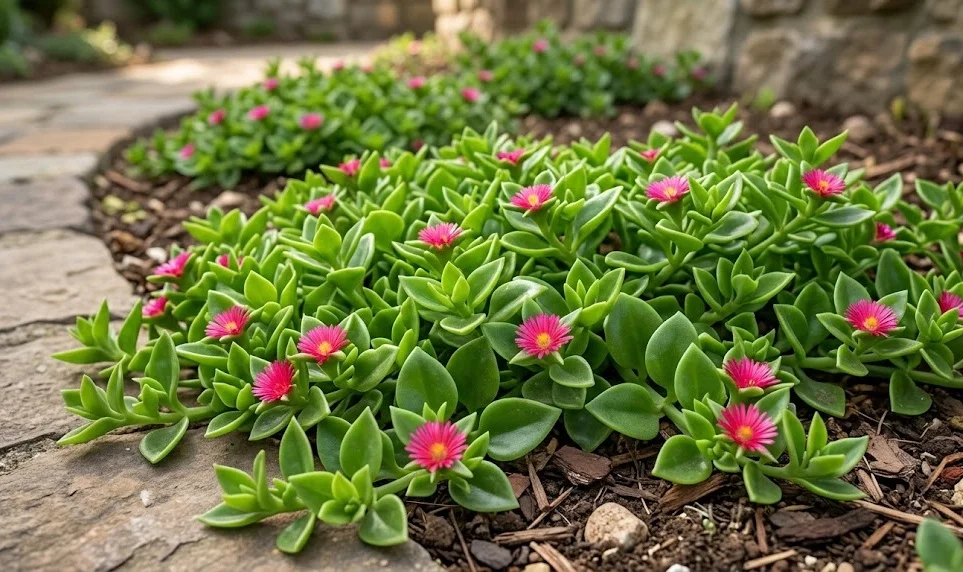

Light is the primary fuel that drives the growth and flowering of this sun-loving succulent. In its native habitat, the baby sun rose is exposed to intense, direct sunlight for the majority of the day, which has shaped its physiological needs. Providing the right amount of light is the most important factor in determining whether your plant will be a lush, blooming success or a leggy, struggling specimen. Understanding how to manage light in different environments is essential for any gardener.
The ideal location for this plant is one that receives at least six to eight hours of direct sunlight every day. Full sun exposure triggers the production of the bright, daisy-like flowers that the plant is so famous for. Without enough light, the flowers may fail to open fully or may not form at all, leaving you with only foliage. The intensity of the light also helps the plant maintain its compact, mat-forming growth habit.
If you are growing the baby sun rose in a region with extremely hot summer afternoons, a small amount of light shade might be beneficial. While it loves the sun, the combination of intense heat and reflected light from a wall can sometimes stress the leaves. A bit of dappled shade during the hottest part of the day can prevent the foliage from taking on a yellowish, stressed appearance. However, too much shade will quickly lead to weak stems and a lack of blossoms.
For indoor plants, light management is even more critical because the intensity of light through glass is much lower than outdoors. Placing the plant directly on a south-facing windowsill is usually the best option for providing enough energy for growth. You may need to rotate the pot every week or two to ensure that all sides of the plant receive equal light. This prevents the plant from leaning heavily in one direction toward the window.
Managing light levels and plant response
Observing how your plant reacts to its environment is the best way to determine if it is getting the correct amount of light. A plant receiving perfect light will have short distances between the leaves and a vibrant, deep green color. The stems will be thick and sturdy, and the plant will feel firm to the touch. If your plant looks like this, you have found the perfect spot for it in your garden or home.
More articles on this topic
Etiolation is a common sign that the plant is not receiving enough light, causing it to stretch and become “leggy.” In an attempt to reach a light source, the plant will produce long, thin stems with large gaps between the leaves. This growth is structurally weak and makes the plant much more susceptible to breaking and pest attacks. If you notice this happening, move the plant to a brighter location as soon as possible.
Sunburn can occur if a plant that has been in the shade is suddenly moved into intense, direct sunlight without acclimation. This usually appears as bleached or white patches on the surface of the leaves that eventually turn brown and crispy. While the plant will likely survive, the damaged leaves will not recover their color and may eventually fall off. Always introduce your plants to higher light levels gradually over a period of several days.
During the winter months, the lower angle of the sun and shorter days mean that the plant will naturally receive less light. This is a normal part of its seasonal cycle and is one of the reasons why growth slows down during this time. You do not need to worry about providing extra light during dormancy unless the plant is in a completely dark room. As long as it gets a few hours of bright light, it will be fine until the spring arrives.
Light for indoor and container gardening
Using artificial lighting can be a great solution for gardeners who want to keep their baby sun rose indoors year-round. LED grow lights are energy-efficient and can provide the specific spectrum of light that succulents need to flourish. Position the light about fifteen to twenty centimeters above the plant and keep it on for twelve to fourteen hours a day. This mimics a long summer day and can even encourage the plant to bloom indoors.
More articles on this topic
When choosing a spot for a hanging basket, consider the light levels from all angles, not just the top. The stems that trail down into the shade of the pot may not grow as vigorously as those on the sunny side. To keep the basket looking full and even, try to hang it in a location where the light is consistent all around. Alternatively, you can rotate the basket periodically to give every side its turn in the sun.
Reflective surfaces can be used to boost the light levels in a dimly lit corner of a patio or balcony. Light-colored walls or strategically placed mirrors can bounce extra sunlight onto the plants. This can be a clever way to grow light-hungry succulents in areas that might otherwise be too shady. Just be careful not to create a “magnifying glass” effect that could accidentally burn the leaves.
The color of the flowers can also be influenced by the intensity of the light the plant receives. In very bright conditions, the colors tend to be more vivid and saturated, while in lower light, they may appear paler. If you want the most intense pinks and reds, make sure the plant is getting as much direct sun as possible. The beauty of the baby sun rose is a direct reflection of the energy it absorbs from the sun.