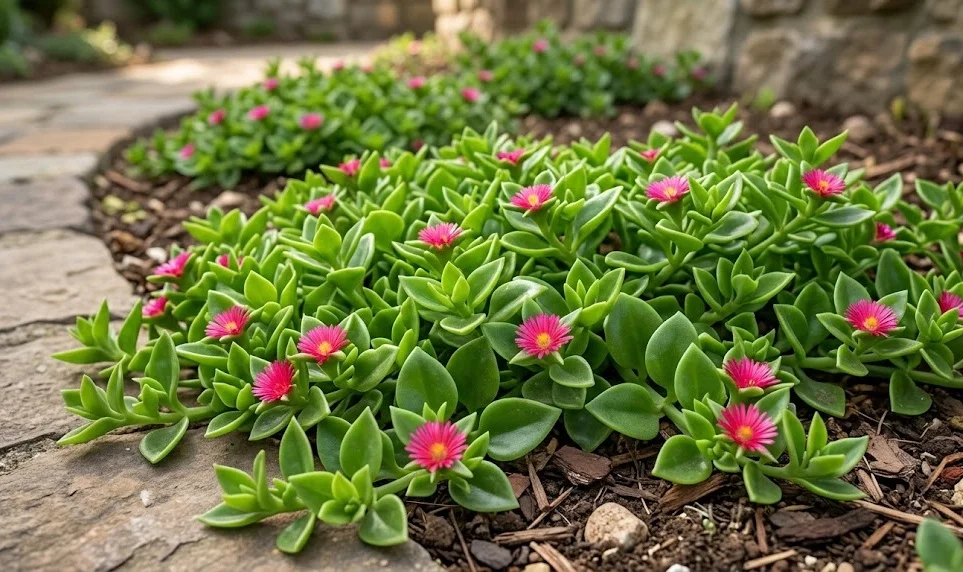

Mastering the balance of hydration and nutrition is the key to maintaining a spectacular display of this succulent species. While it is naturally equipped to handle dry conditions, a strategic approach to watering will result in much lusher growth and more consistent flowering. Similarly, providing the right nutrients at the correct times ensures the plant remains strong and resistant to environmental stress. Understanding the specific physiological needs of the plant will help you avoid the common pitfalls of over-care.
The primary rule for watering any succulent is to allow the soil to dry out significantly between sessions. This mimics the natural rainfall patterns of its native habitat, where heavy rains are followed by periods of intense sun. Saturating the soil and then letting it dry encourages the roots to grow deeper in search of moisture. This deep root system makes the plant much more resilient during the hottest parts of the summer.
Watering should always be done at the base of the plant rather than over the foliage whenever possible. Wet leaves can sometimes lead to fungal issues, especially if the air circulation is poor or the humidity is high. By directing the water to the soil, you ensure it reaches the roots where it is needed most. Morning is the ideal time for this task, as it allows any accidental moisture on the leaves to evaporate quickly.
During the active growing season, which spans from spring to late summer, the plant’s demand for water is at its highest. You may find that container-grown plants need water every few days, while those in the ground can go much longer. Always use the “finger test” by sticking your finger into the soil to check for moisture levels below the surface. If the soil feels damp, wait another day or two before bringing out the watering can.
Adjusting moisture for seasonal changes
As the heat of summer intensifies, the plant may enter a semi-dormant state to conserve its internal water reserves. During these extreme periods, a slight increase in watering frequency might be necessary to prevent the leaves from shriveling. However, you must still ensure that the soil drains rapidly to avoid the danger of root rot. It is a delicate balance that requires careful observation of the plant’s physical appearance.
More articles on this topic
In the autumn, as the days begin to cool and the sun is less intense, you should start to reduce the amount of water you provide. The plant’s metabolism slows down, and it no longer requires as much hydration to sustain its functions. Keeping the soil too wet during this transition period can make the plant more susceptible to cold damage later on. Transitioning the plant into a drier state helps it prepare for the winter months ahead.
Winter watering is a very minimal affair, especially if the plant is kept in a cool or indoor environment. It may only need a light watering once every few weeks or even once a month, depending on the surrounding humidity. The goal during winter is simply to prevent the roots from completely desiccating while avoiding any excess moisture. Overwatering in winter is the most common cause of death for indoor succulent specimens.
When spring arrives, you can gradually increase the watering frequency as you see the first signs of new green shoots. This extra moisture helps the plant “wake up” and begin the process of producing new foliage and flower buds. Always increase the water slowly to allow the root system to reactivate and resume its normal absorption rate. This seasonal rhythm is essential for the long-term health and vitality of the baby sun rose.
Understanding nutrient requirements and soil fertility
Fertilization for this succulent should be approached with a “less is more” philosophy to prevent leggy growth. In its natural environment, the plant often grows in soils that are not particularly nutrient-rich, so it is adapted to lean conditions. A balanced, water-soluble fertilizer diluted to half strength is usually more than enough to meet its needs. This provides a gentle boost without overwhelming the plant’s natural growth cycle.
More articles on this topic
The best time to apply fertilizer is during the peak growing months of late spring and early summer. This is when the plant is putting the most energy into expanding its stems and producing its bright blossoms. Applying nutrients once every four to six weeks during this period is sufficient for most garden settings. Stop all fertilization by the end of summer to allow the plant to naturally wind down for the year.
Avoid using high-nitrogen fertilizers, as these can promote soft, watery growth that is attractive to pests and sensitive to disease. A fertilizer with a slightly higher phosphorus content can be beneficial for encouraging more prolific flowering. Always apply fertilizer to moist soil rather than bone-dry soil to prevent any potential for root burn. If the plant looks healthy and is blooming well, you may even decide to skip fertilization entirely for a season.
Organic options, such as seaweed extract or fish emulsion, can also be used for a more natural approach to feeding. These products provide a wide range of micronutrients that are often missing from synthetic chemical fertilizers. They also help to build the long-term health of the soil by supporting beneficial microorganisms. Whichever product you choose, consistency and moderation are the keys to success with this succulent.
Signs of improper watering and feeding
Being able to read the signals the plant sends is a vital skill for any gardener interested in succulents. Overwatered plants often exhibit yellowing, translucent leaves that feel mushy or soft to the touch. In severe cases, the stems may turn black near the base, which is a clear sign of advanced root or stem rot. If you see these signs, immediately stop watering and allow the soil to dry out completely.
On the other hand, an underwatered plant will have leaves that appear thin, wrinkled, and lacking their usual shine. The growth may come to a complete standstill, and the plant might start shedding its older leaves to conserve moisture. While the plant can usually recover from a dry spell, chronic dehydration will eventually lead to a decline in overall health. A quick deep watering usually restores the plumpness of the leaves within a day or two.
Nutrient imbalances also have visible symptoms that you can learn to recognize over time. A total lack of flowers despite plenty of sunlight might indicate that the plant needs a bit of supplemental feeding. Conversely, if the stems are growing very long with large gaps between the leaves, you might be providing too much fertilizer. Adjusting your routine based on these visual cues is the best way to keep the plant in peak condition.
Salt buildup from tap water or over-fertilization can sometimes manifest as white crusty deposits on the soil surface or leaf tips. If you notice this, you can flush the soil with distilled or rainwater to wash away the excess minerals. This is particularly important for plants grown in pots where salts cannot easily leach away into the surrounding ground. Maintaining a clean and balanced root environment is essential for the plant’s well-being.
Practical tips for long term success
Using a watering can with a narrow spout allows for precise application of water at the base of the plant. This helps to keep the foliage dry and prevents the soil from splashing up onto the leaves. For larger groundcover areas, a soaker hose or drip irrigation system can be a very efficient way to deliver moisture. These systems ensure that the water reaches the root zone without being lost to evaporation in the air.
For container plants, always ensure that the saucer at the bottom is emptied shortly after watering. Allowing a succulent to sit in a saucer full of water is a guaranteed way to cause root issues. If the soil has become so dry that it has pulled away from the edges of the pot, you may need to soak the entire container. This ensures that the root ball is fully rehydrated and that the soil structure is restored.
Collecting rainwater is an excellent practice for watering succulents, as it is naturally soft and free of the chemicals found in municipal water. Many gardeners find that their plants respond much better to rainwater than to treated tap water. If you must use tap water, letting it sit out overnight can help some of the chlorine dissipate before use. This small extra step can make a noticeable difference in the health of your baby sun rose.
Finally, remember that the environment changes from year to year, and your watering routine should change with it. A particularly cloudy summer will require less water than a record-breaking heatwave. By remaining observant and flexible, you provide the best possible care for your garden. The baby sun rose is a forgiving partner, but it will truly shine when its watering and feeding needs are met with precision.