
Light is the primary fuel source for the jasmine nightshade, dictating everything from its growth rate to the abundance of its flowers. This vine is a sun-lover by nature, but its needs are more nuanced than simply placing it in the brightest possible spot. Understanding how light intensity, duration, and quality affect the plant is essential for any professional gardener aiming for a spectacular display. In this guide, we will explore the science of light management for this versatile and beautiful climber.
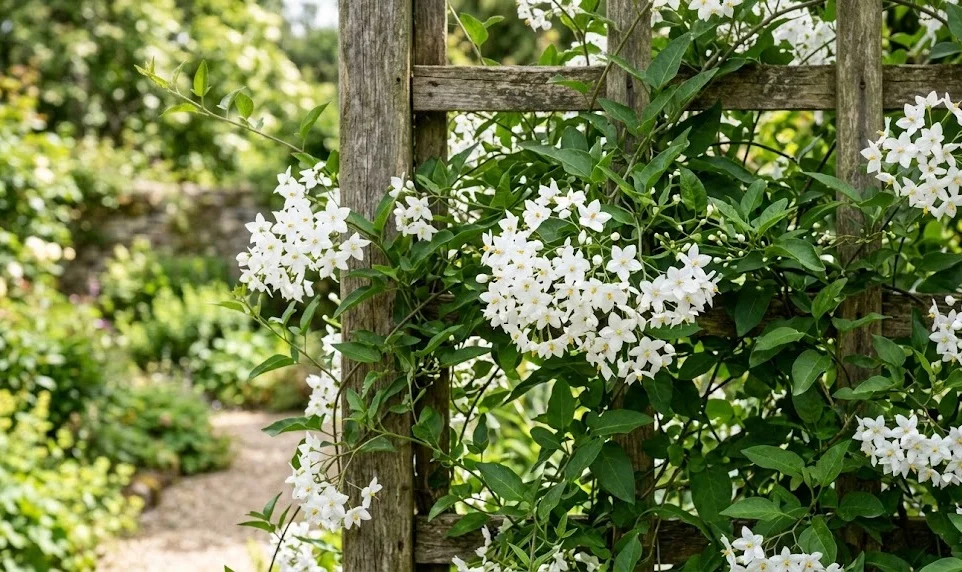
The amount of light a plant receives directly influences its ability to photosynthesize and create the sugars needed for growth. You will find that a jasmine nightshade grown in low light will become “leggy,” with long gaps between the leaves and very few flowers. Conversely, a plant that receives the right amount of illumination will be dense, vigorous, and covered in star-shaped blooms. Achieving this balance is the key to creating an architectural feature that defines your garden space.
While the plant loves the sun, extreme heat and intense UV radiation can sometimes be too much for the delicate leaf tissues. You need to consider the specific microclimate of your garden, including reflections from walls or windows that can intensify the light. A professional approach involves observing the plant’s reaction to its environment and making adjustments as needed throughout the season. This active management ensures the foliage remains a vibrant green without the telltale signs of stress.
In this article, we will break down the ideal light conditions for both container-grown and ground-planted specimens. We will also discuss how to handle transitions between different light levels to prevent shock and leaf damage. By mastering the light requirements of your jasmine nightshade, you will be able to unlock its full potential for beauty and growth. Let us start by examining the benefits of full sun and the potential drawbacks of too much shade.
The benefits of full sun and bright locations
To get the most out of your jasmine nightshade, you should aim for a location that provides at least six to eight hours of direct sunlight. This level of light exposure encourages the plant to produce the maximum number of flower buds along its stems. You will notice that the flowers themselves are more vibrant and stay open longer when the plant is well-lit. Sun-drenched plants also tend to have shorter internodes, which results in a much thicker and more attractive screen of foliage.
More articles on this topic
A bright location also helps to keep the plant healthy by naturally discouraging certain pests and fungal diseases. Sunlight has a sterilizing effect on the surface of the leaves and helps to evaporate excess moisture that could lead to mold. You will find that plants in sunny spots are generally more resilient and can recover faster from any minor setbacks. The energy provided by the sun acts as a natural booster for the plant’s overall immune system and structural integrity.
If you are growing the vine against a wall, a south or west-facing aspect is usually the best choice for professional results. These locations capture the most intense light of the day, which the jasmine nightshade uses to fuel its rapid summer expansion. However, keep in mind that these spots can also become very hot, so you must ensure the watering routine keeps up with the evaporation. The combination of high light and consistent moisture is the “magic formula” for this particular species.
In regions with shorter summers or cooler climates, maximizing light exposure is even more critical for success. You can use light-colored walls or reflective surfaces to bounce extra light onto the plant if your garden is naturally a bit shaded. This clever use of the environment can make a significant difference in the total number of flowers produced each year. A professional gardener always looks for ways to optimize the natural resources available in their specific location.
Understanding shade tolerance and its limits
While the jasmine nightshade is primarily a sun-loving plant, it does possess a certain degree of shade tolerance. It can grow successfully in partial shade, provided it still receives a few hours of direct light or very bright filtered light throughout the day. However, you must be prepared for a trade-off in terms of growth speed and the density of the flowering. In deeper shade, the plant will focus more on stretching toward the light rather than producing its iconic white blossoms.
More articles on this topic
If you must plant in a shaded area, try to ensure the light it does receive is of high quality, such as morning sun which is less intense but very effective. You might also consider thinning out the canopy of overhanging trees to allow more “dappled” light to reach the vine. This modification can provide enough energy for the plant to thrive without subjecting it to the full intensity of the midday sun. Professional gardening often involves these kinds of subtle environmental tweaks to accommodate a plant’s needs.
One of the biggest risks of growing this vine in too much shade is the increased likelihood of fungal infections like powdery mildew. Without the drying power of the sun, the foliage can stay damp for too long after rain or morning dew. You will need to be much more vigilant about airflow and spacing if you are working in a less-than-ideal light situation. If the plant looks pale and the stems are becoming weak and floppy, it is a clear sign that it needs more light.
For container-grown plants, you have the professional advantage of being able to move the pot as the sun’s position changes throughout the year. You might find that a spot that was perfectly sunny in June becomes too shaded in September as the sun drops lower in the sky. Being mobile allows you to chase the light and provide the plant with the best possible conditions for as long as possible. This flexibility is one of the reasons why container gardening is so popular for this particular species.
Managing light transitions and preventing scorch
Sudden changes in light levels can be very stressful for any plant, and the jasmine nightshade is no exception to this rule. If you are moving a plant from a nursery or an indoor winter spot to the full garden sun, you must do it gradually. This process, known as “acclimatization,” allows the leaf cells to build up protective pigments that act like a natural sunscreen. Without this transition, the leaves can suffer from “photo-oxidation,” leading to bleached spots or complete leaf death.
Leaf scorch is a common problem during the first few weeks of intense summer heat, especially for young or newly planted vines. It manifests as brown, paper-dry patches on the leaves that are most exposed to the sun’s rays. If you notice this happening, you can provide some temporary shade during the hottest part of the day using a light garden cloth. Once the plant has established a deeper root system and adapted to the intensity, it will be much more capable of handling the heat on its own.
The quality of the light also matters; for example, light through a glass window can sometimes be more damaging because it concentrates heat. If you have your plant in a sunroom or greenhouse, ensure there is adequate ventilation to prevent the air temperature from soaring along with the light levels. Professional growers often use shade cloths or specialized coatings on greenhouse glass to diffuse the light and prevent localized hot spots. A balanced environment is always the goal for maintaining high-level plant health.
Finally, remember that light and water are inextricably linked in the plant’s metabolism. The more light the plant receives, the more water it will transpire through its leaves and the faster it will deplete the soil. You must adjust your watering schedule to match the light levels to prevent the plant from wilting during the peak of the day. By managing these two factors in harmony, you can create a thriving, professional-grade display that will be the envy of your neighbors.