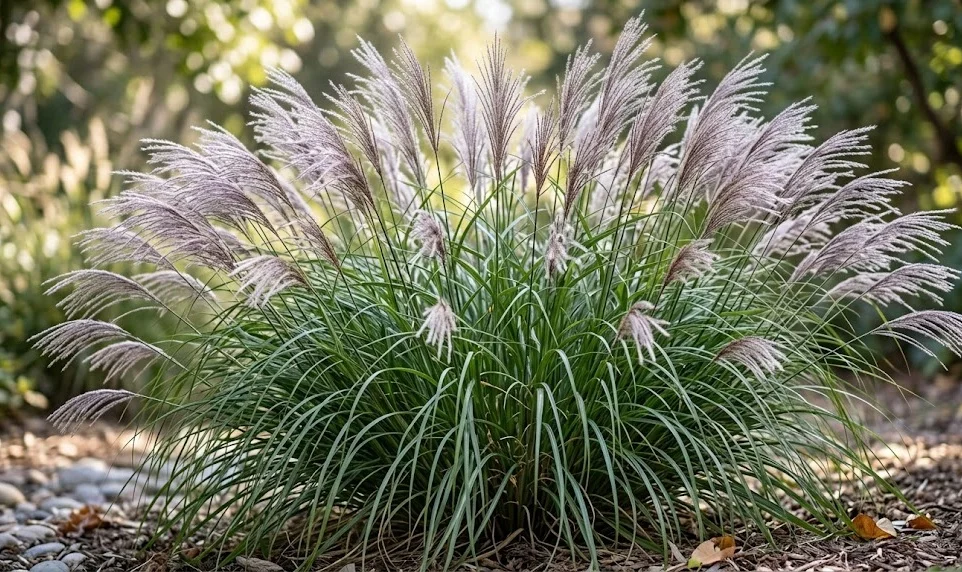

Managing the seasonal transition of your ornamental grasses through proper pruning is essential for maintaining both their health and their visual appeal. You should view the annual cutting back not as a chore, but as a way to refresh the plant and prepare it for a new cycle of growth. This process removes the old, weathered material and clears the path for the vibrant green shoots of spring to emerge without obstruction. With the right tools and timing, you can ensure that your japanese silver grass remains a tidy and energetic feature of your garden year after year.
Timing the seasonal cut
Determining the exact right time to prune your ornamental grass depends on your personal aesthetic preferences and your local climate conditions. You should generally aim to cut the plant back in the late winter or very early spring, just before the new growth begins to emerge from the crown. If you wait too long, you risk cutting off the tips of the new green shoots, which can leave the plant looking ragged and blunt for the rest of the season. Early intervention ensures a clean start and a much more professional appearance as the plant wakes up.
Many gardeners choose to leave the dried foliage standing throughout the winter because of the beauty it adds to the snowy landscape. You should consider the value of this winter interest, as the tall stalks and plumes provide movement and texture during the months when most other plants are gone. Additionally, the standing foliage provides a natural layer of insulation for the base of the plant, protecting it from the most extreme cold. If you enjoy the look of the dried grass, you can safely wait until the first signs of spring to pick up your shears.
However, if the winter weather is particularly wet and heavy, the grass may become flattened or messy by mid-season, losing its ornamental value. You should feel free to prune the plant earlier if it has become an eyesore or if it is catching too much wind and threatening to blow away. There is no hard rule that says you must wait until spring if the plant is no longer serving its purpose in your garden design. Trusting your own judgment about the appearance of your landscape is part of being a confident and successful gardener.
In warmer climates where the grass might not go completely dormant, you should still perform a significant pruning once a year to rejuvenate the clump. You should look for a window of time when the plant’s growth has slowed down significantly to do your cutting. This “reset” prevents the plant from becoming overly congested with old, dead leaves that can harbor pests and block light from reaching the center of the clump. A regular pruning schedule is the best way to keep your grasses looking youthful and vigorous regardless of your local weather.
More articles on this topic
Proper pruning techniques
To achieve the best results, you should always use high-quality, sharp tools that are appropriate for the size of the plant you are pruning. For smaller varieties, a pair of sharp bypass pruners or garden shears will work perfectly for making clean and precise cuts. If you are dealing with a massive, mature specimen, you might find that a hedge trimmer or even a small power saw is more efficient for the task. Keeping your tools clean and well-maintained ensures that you don’t accidentally introduce any diseases into the plant’s crown while you work.
The standard technique is to cut the entire clump back to about six to ten inches above the ground, creating a neat “mound” of old stems. You should avoid cutting too close to the soil surface, as this can damage the sensitive growing points located within the crown of the plant. Leaving a few inches of old stems provides a bit of protection for the new growth as it begins to emerge in the coming weeks. This uniform height also gives the garden a sense of order and professional care during the transitional period of early spring.
If you have many plants to cut back, you might find it helpful to bundle the stems together with twine before you start cutting. You should wrap the twine around the middle of the clump to hold the stalks together, which makes it much easier to manage the debris after the cut is made. Instead of having hundreds of loose stems to pick up, you will have a neat bundle that can be easily carried to the compost pile or the green waste bin. This simple trick can save you a significant amount of time and effort during your spring cleanup.
After you have finished the main cut, you should take a moment to inspect the crown of the plant and remove any stray dead leaves or debris by hand. You should also check for any signs of pests or diseases that might have been hidden by the dense foliage during the previous season. Cleaning up the area around the base of the plant allows for maximum air circulation and light penetration, which are essential for a healthy start. A little extra attention to detail now will pay dividends in the form of a more robust and beautiful plant later in the year.
More articles on this topic
Managing debris and waste
Pruning large ornamental grasses can generate a surprising amount of organic material that needs to be managed in a responsible way. You should consider the value of this material as a resource for your garden rather than just waste to be disposed of. The dried stems and leaves are excellent for composting, as they provide a good source of “brown” carbon-rich material to balance out your green kitchen scraps. Chopping the stems into smaller pieces before adding them to the pile will help them break down much faster and more efficiently.
If you have a wood chipper or a heavy-duty lawn mower, you can shred the old grass stems to create a natural and effective mulch for your garden beds. You should spread this shredded material around the base of your plants to help retain moisture and suppress weeds throughout the coming season. This “closed-loop” system keeps the nutrients in your own backyard and reduces the need for purchasing external mulching products. It is a sustainable and practical way to handle the results of your annual pruning efforts.
For those who prefer a more decorative use, the long, sturdy stems can be saved and used as natural stakes for other plants in your flower beds. You should select the straightest and strongest stalks and store them in a dry place until they are needed later in the summer. They are perfect for supporting delicate perennials or creating rustic garden structures that blend seamlessly with the natural environment. Using the plant’s own growth to support the rest of your garden is a clever and eco-friendly strategy.
Finally, always make sure to clean up the area thoroughly after you have finished your pruning and debris management. You should rake up any small bits of leaf or stem that might have fallen around the base of the plant to keep the garden looking its best. A tidy workspace is the hallmark of a professional approach to gardening and ensures that your outdoor living areas remain pleasant and inviting. With the pruning complete and the waste managed, you can now sit back and look forward to the exciting arrival of a brand-new growing season.