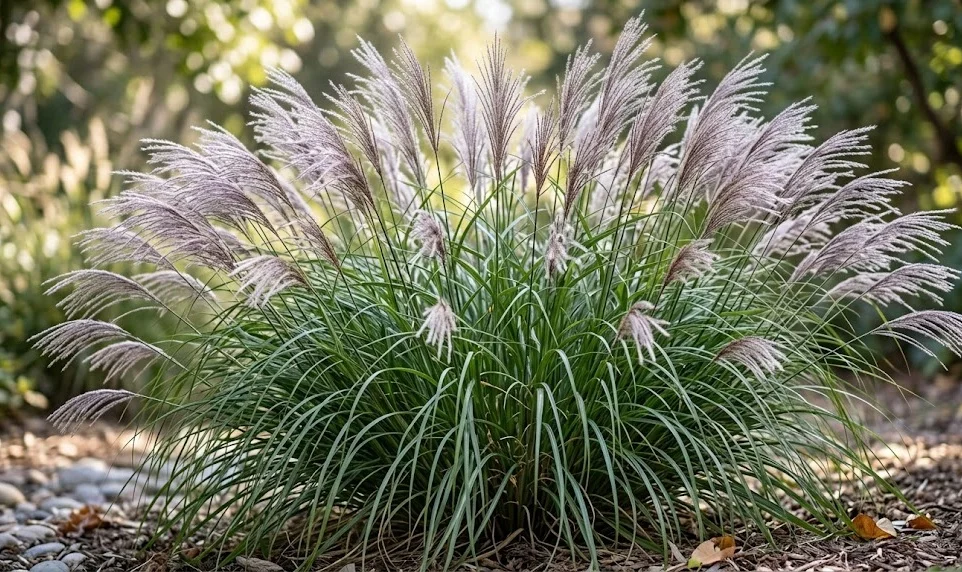

Maintaining the health of your ornamental grasses requires a vigilant eye for the subtle signs of disease or pest infestation that can compromise their beauty. While these plants are generally robust, they are not entirely immune to the challenges posed by fungal pathogens and various insects. You should familiarize yourself with the common symptoms of stress to distinguish between environmental issues and actual biological threats. Early detection is your most powerful tool in preventing a minor problem from turning into a widespread garden disaster.
Fungal pathogens and humidity
Fungal diseases are the most common health issues faced by japanese silver grass, especially in regions with high humidity or frequent summer rains. You should watch for powdery mildew, which appears as a white, dusty coating on the leaves and can reduce the plant’s ability to photosynthesize. This fungus thrives when there is poor air circulation and the foliage remains wet for extended periods during the night. Improving the spacing between your plants and watering only at the base can significantly reduce the risk of this unsightly problem.
Leaf spot is another fungal condition that you might encounter, characterized by small, dark lesions that gradually expand and merge. These spots can eventually cause entire leaves to turn yellow and die prematurely, which detracts from the plant’s visual appeal. You should remove and destroy any heavily infected foliage as soon as you notice it to prevent the spores from spreading to healthy parts of the plant. Maintaining a clean garden environment by removing fallen debris also helps break the life cycle of these persistent fungi.
Root rot is a more serious fungal issue that occurs below the soil surface and is often caused by excessively wet conditions. You should be concerned if your grass begins to wilt or turn yellow despite having plenty of water, as this could indicate the roots are dying. Once root rot takes hold, it can be very difficult to save the plant, so prevention through proper drainage is absolutely essential. Ensuring that your soil is well-aerated and not compacted will help keep the root system healthy and free from these destructive pathogens.
To manage fungal threats effectively, you should always clean your garden tools with a disinfectant between uses on different plants. This simple habit prevents you from accidentally moving fungal spores from an infected specimen to a healthy one while pruning or dividing. You should also avoid working in the garden when the plants are wet, as moisture facilitates the movement and entry of fungi into the plant tissues. A disciplined approach to hygiene is one of the best defenses you have against the invisible world of fungal diseases.
More articles on this topic
Identifying and treating rust
Rust is a specific type of fungal infection that is particularly common in many varieties of ornamental grasses. You should look for small, orange or reddish-brown pustules that form on the undersides of the leaves, which can eventually cover large areas. These pustules release thousands of spores that are easily carried by the wind to neighboring plants, making rust a highly contagious condition. If left untreated, a severe rust infection can weaken the plant and cause it to lose its vigor over the course of a single season.
The development of rust is often tied to specific environmental conditions, such as cool nights followed by warm, humid days. You should monitor your plants more closely during these transitional weather periods to catch any signs of infection early. If you detect rust, you should avoid overhead watering, as the splashing water helps spread the spores from leaf to leaf. Pruning out the most affected areas can also help reduce the overall “spore load” in your garden and give the plant a better chance to recover.
There are several organic and chemical fungicides available that are specifically formulated to treat rust in ornamental plants. You should always read the label carefully to ensure the product is safe for use on grasses and follow the application instructions exactly. Most treatments require multiple applications over several weeks to fully break the cycle of the fungus and protect new growth. Integrating these products into a broader care plan that includes proper spacing and nutrition will yield the best long-term results.
Choosing rust-resistant cultivars is a proactive strategy that can save you a lot of time and effort in the long run. You should research the specific varieties you are considering for your garden to see if they have a history of performing well in your local climate. While no plant is completely immune, some have developed natural defenses that make them much less attractive to rust pathogens. Investing in high-quality, resistant plants is a smart move for any gardener who wants a low-maintenance and healthy landscape.
More articles on this topic
Sucking and chewing insects
While they are not usually plagued by large numbers of insects, japanese silver grass can sometimes attract pests that feed on its sap or foliage. You should look for aphids, which are tiny, soft-bodied insects that often cluster on the new, tender growth at the top of the plant. Aphids can cause the leaves to become distorted or curled as they suck out the essential juices that the plant needs for growth. A strong blast of water from a garden hose is often enough to dislodge these pests without the need for any chemical intervention.
Spider mites are another common pest that you might encounter during hot, dry periods when the plant is under environmental stress. These microscopic creatures create fine webbing on the leaves and cause a stippling or bronzing effect that can be very distracting. You should keep the area around your grasses well-hydrated to discourage mites, as they prefer dusty and dry conditions to thrive. If an infestation becomes severe, you can use insecticidal soap or neem oil to bring the population back under control.
Mealybugs can sometimes hide deep within the leaf sheaths or near the base of the plant, where they are protected from predators and the weather. These insects look like small patches of white cotton and can cause a decline in the plant’s overall health if they are allowed to multiply. You should inspect the tight spaces of your grass regularly, especially if you notice a mysterious sticky residue known as honeydew on the leaves. Hand-cleaning the affected areas with a damp cloth can be an effective way to manage small outbreaks of these persistent pests.
Grasshoppers and caterpillars may occasionally chew on the edges of the leaves, but their damage is usually cosmetic and rarely threatens the life of the plant. You should monitor the level of feeding and only take action if you feel the aesthetic value of the plant is being significantly compromised. In most healthy gardens, natural predators like birds and beneficial insects will keep these chewing pests in check without any help from you. Maintaining a diverse and balanced ecosystem is the most natural way to manage insect populations in your backyard.
Natural and chemical controls
When you decide that an intervention is necessary to protect your plants, you should always start with the least toxic options first. You should consider using biological controls, such as releasing ladybugs or lacewings, which are natural predators of many common garden pests. These beneficial insects can do a fantastic job of cleaning up aphids and other small pests while keeping your garden’s ecological balance intact. Supporting these natural allies is a key component of an integrated pest management strategy that works with nature rather than against it.
Homemade solutions, like a mixture of water and a few drops of mild dish soap, can be surprisingly effective against many soft-bodied insects. You should spray this solution directly onto the pests, making sure to cover both the tops and bottoms of the leaves for the best results. This method is safe for the environment and very inexpensive, making it a great first line of defense for the home gardener. Always test a small area of the plant first to make sure the soap doesn’t cause any adverse reactions to the foliage.
If you find that natural methods are not sufficient to handle a major outbreak, you may need to turn to more traditional chemical controls. You should choose a product that is specifically labeled for the pest or disease you are fighting to ensure maximum effectiveness and safety. It is crucial to follow all safety precautions, including wearing gloves and avoiding spraying on windy days when the chemicals could drift. Responsible use of these products can help you save a valuable plant that might otherwise be lost to a severe infestation.
Prevention remains the most effective “control” of all, as a healthy plant is much better equipped to defend itself against all types of threats. You should focus on providing the ideal growing conditions, including the right amount of light, water, and nutrients, to keep your grasses in peak condition. Stressed plants are like a magnet for pests and diseases, so your primary goal should always be to minimize stress through consistent care. A proactive gardener spends more time observing and less time treating, leading to a much more enjoyable experience.
Strengthening plant immunity
Just like people, plants have their own internal defense systems that help them fight off infections and pests from the environment. You should understand that your role as a gardener is to support these natural defenses by providing a stable and nurturing habitat. Using high-quality compost and organic mulches helps build a diverse soil microbiome that can actually help protect the roots from pathogens. These invisible microscopic partners are a vital part of the plant’s overall immunity and long-term health.
Avoid over-crowding your plants, as this creates a stagnant environment that is perfect for the development of many common diseases. You should give each grass enough space so that air can flow freely through the foliage, which helps keep the leaves dry and less hospitable to fungi. Proper spacing also ensures that each plant has enough light and nutrients to stay strong and resilient throughout the entire growing season. Thinking about the long-term layout of your garden is a key part of maintaining a healthy and disease-free collection.
Regularly removing dead or dying material from the garden reduces the number of places where pests and diseases can hide and overwinter. You should be diligent about cleaning up the area in the late autumn and early spring to start each season with a fresh and clean slate. This “sanitation” is a simple but powerful technique that can significantly lower the overall pest pressure in your garden over time. A tidy garden is not just about looks; it is a fundamental part of professional plant healthcare.
Finally, you should stay curious and observant, as your own eyes are the best tool for maintaining the health of your japanese silver grass. You should take a walk through your garden every day, paying close attention to any changes in the color, texture, or growth patterns of your plants. This daily connection allows you to spot potential issues when they are still small and easy to manage, saving you time and frustration later. Your dedication and attentiveness are what truly make a garden thrive and remain a source of pride for years to come.