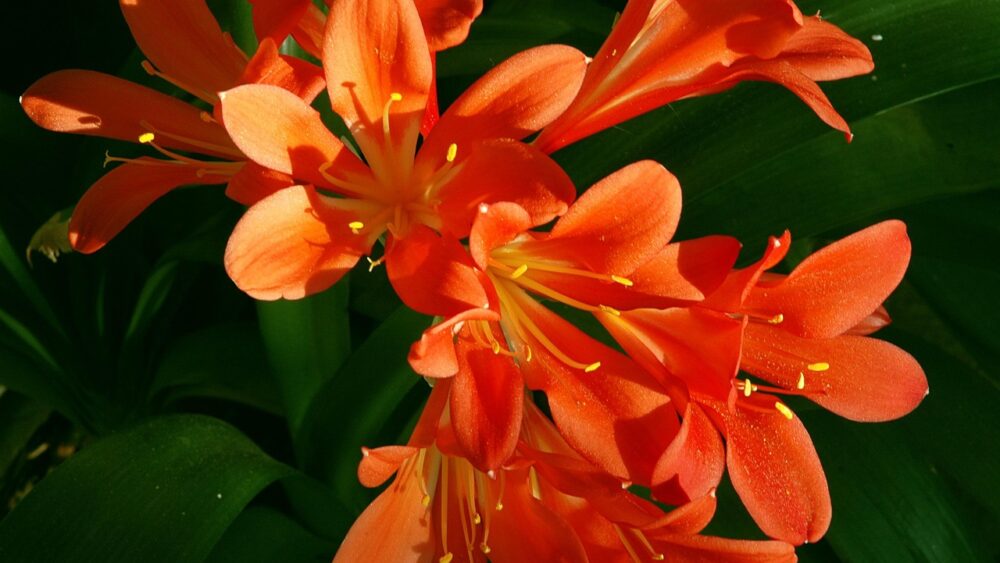

Unlike many common garden and houseplants that require regular and often complex pruning to maintain their shape and encourage new growth, the clivia is remarkably low-maintenance in this regard. These plants have a naturally tidy and self-contained growth habit, producing their elegant, strap-like leaves in a symmetrical, fan-like pattern. As such, routine pruning for shaping purposes is generally unnecessary and not recommended. The primary reasons for any cutting or trimming on a clivia are purely for sanitation and aesthetics, focusing on the removal of spent flowers and any leaves that have become yellowed, damaged, or have naturally died back over time.
The most frequent pruning task you will perform is deadheading, which is the removal of the flower stalk after the blooms have faded. This is an important step for both the appearance and the health of the plant. A withered flower stalk can be unsightly and, more importantly, if the flowers were pollinated, the plant will begin to expend a significant amount of energy into developing seed pods. By removing the spent stalk promptly, you redirect that energy back into the plant, encouraging it to focus on leaf growth and storing resources for the next year’s flowering cycle rather than on seed production.
Occasionally, it will be necessary to prune individual leaves. The lower, older leaves of a clivia will naturally senesce over time, turning yellow and then brown as they die back. This is a normal part of the plant’s life cycle, and these leaves can be removed to keep the plant looking neat and tidy. Additionally, leaves that have been physically damaged, creased, or have developed sunburn spots or disease can also be trimmed away. This not only improves the plant’s appearance but also removes potential entry points for pathogens.
It is crucial to understand that you should never “cut back” a clivia in the traditional sense, such as shearing it down to encourage bushier growth. The plant grows from a central crown, and cutting into this area can cause severe damage and introduce rot, potentially killing the plant. All pruning should be done selectively, targeting only specific leaves or flower stalks. The focus is always on minimal intervention, respecting the plant’s natural, elegant form and intervening only when necessary for its health and cleanliness.
How to deadhead clivia flowers
Deadheading is a simple but beneficial task that should be performed as soon as the last flower on the stalk has wilted and faded. Allowing the spent flowers to remain on the plant serves no purpose and detracts from its overall beauty. More importantly, if pollination occurred, large, berry-like seed pods will begin to form at the base of the faded flowers. While fascinating to watch, the development of these seeds requires a tremendous amount of energy from the plant. Unless you are intentionally trying to propagate the plant from seed, this energy is much better spent on developing strong leaves and roots.
More articles on this topic
The process of removing the flower stalk, or scape, is straightforward. Follow the stalk down from the flower head to the point where it emerges from the base of the plant, deep within the fan of leaves. Using a sharp, clean pair of pruning shears, a knife, or strong scissors, make a clean cut as close to the base as you can without damaging the surrounding leaves. Trying to pull or twist the stalk off is not recommended, as it can damage the crown of the plant where it is attached. A clean cut promotes faster healing and reduces the risk of infection.
Sometimes, it may be difficult to reach the very base of the stalk without bending the leaves excessively. In this case, it is acceptable to cut the stalk a few inches above the base. The remaining stump will gradually yellow and wither over the next few weeks. Once it has dried out completely, you can usually grip it gently and pull it out from the base of the plant without causing any harm. The key is to wait until it is fully dry and detaches easily.
After removing the flower stalk, it is a good time to give your plant a quick check-up. Wipe down the leaves with a damp cloth to remove any dust, which helps the plant to photosynthesize more efficiently. This is also a good opportunity to inspect for any early signs of pests that might be hiding in the leaf crevices. By incorporating this quick maintenance check into your deadheading routine, you help ensure the plant remains healthy as it enters its summer growth phase.
Pruning damaged or yellowing leaves
It is a natural and unavoidable process for the older, outer leaves of a clivia to gradually die back. As the plant produces new leaves from the center of its crown, the oldest leaves at the base will slowly turn yellow, then brown, and eventually become dry and papery. There is no need for alarm when this happens; it is simply the plant shedding its old foliage. Removing these leaves is done purely for aesthetic reasons, keeping the plant looking fresh and well-maintained.
More articles on this topic
The best way to remove a yellowing or dead leaf is to trace it back to where it connects to the main base of the plant. If the leaf is completely brown and dry, it will often come away with a gentle tug. However, if it is still partially attached, it is better to use a sharp, sterile blade or knife. Carefully cut the leaf off as close to the base as possible without cutting into the central crown or the adjacent healthy leaves. Making a clean cut helps to prevent tearing, which can create a larger wound and a potential entry point for disease.
Leaves that have been physically damaged, such as those that are torn, bent, or creased, can also be removed using the same method. While a bent leaf may not be harming the plant, it can disrupt its symmetrical appearance. Similarly, leaves that have developed unsightly and permanent brown spots from sunburn can be pruned away to improve the plant’s overall look. When removing any leaf, always ensure your cutting tool is clean to prevent the introduction of bacteria or fungal spores into the fresh cut.
It’s important to differentiate between the natural yellowing of a few older, lower leaves and a more widespread yellowing affecting multiple leaves, including newer ones. The former is a normal process, while the latter is often a symptom of a cultural problem, most commonly overwatering. If you notice many leaves turning yellow at once, do not simply prune them off without first investigating the underlying cause. Check the soil moisture and review your watering habits, as pruning the leaves will not solve the root problem.

As the article mentions, clivias don’t need much pruning, but I do think it’s important to remove the spent flower stalks promptly. If you leave them on, the plant will put a lot of energy into producing seeds, which can take away from next year’s blooms. I usually wait until the flowers have completely faded and then cut the stalk as close to the base as possible. Be careful not to damage the leaves when you are doing this. I also remove any dead or yellowing leaves from the base of the plant to keep it looking tidy. It’s a very simple routine that helps keep the plant healthy and focused on new growth.
I agree with removing the flower stalks, Peter, but I also want to mention the sap that clivias produce. When you cut the stalks or the leaves, they release a milky sap that can be irritating to the skin for some people. I always wear gloves when I’m doing any pruning just to be safe. It’s also a good idea to wipe your tools with alcohol after you’re finished to prevent any potential spread of disease. I’ve seen cases where a small cut can become infected if the tools aren’t clean. It’s a small extra step that ensures the long-term health of your prized plants.
I’ve had a clivia for about five years and it’s finally starting to produce “offsets” or small baby plants at the base. I was wondering if I should prune these away to keep the main plant strong, or if I should let them grow. I’ve heard that clivias look great when they form a large, multi-stemmed clump, but I don’t want to compromise the flowering of the parent plant. If I do decide to remove them, what is the best way to do it without damaging the main root system? I’m thinking about giving a few of the offsets to my friends as gifts. I’d love to hear your thoughts!