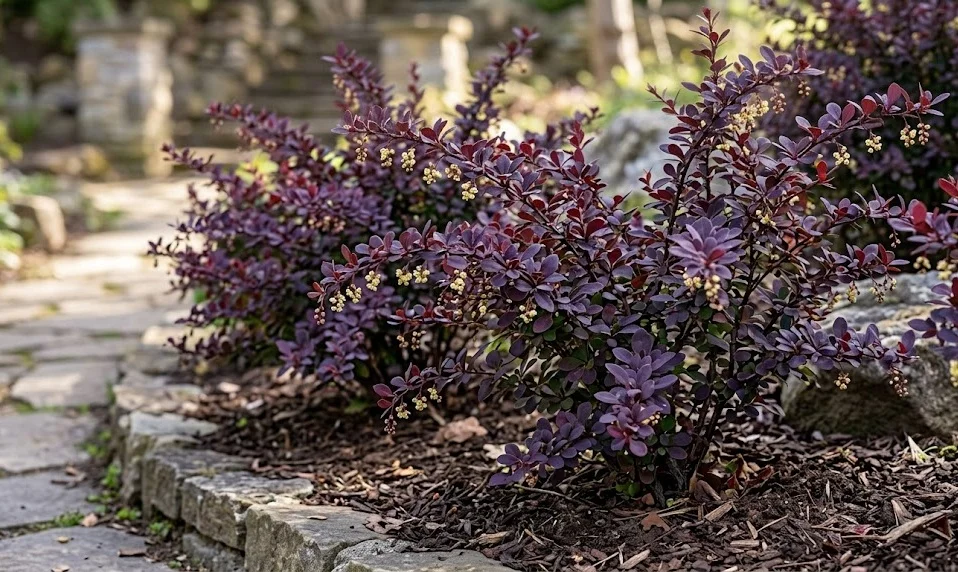

Protecting the Japanese barberry from potential health threats requires a proactive approach centered on regular inspection and cultural management. Although this shrub is generally robust, it can fall victim to specific fungal pathogens and insect infestations if the environmental conditions are favorable for them. Identifying the early symptoms of distress allows for quick intervention, which is often the difference between a minor issue and a serious plant decline. A professional understanding of these threats ensures that the ornamental value of the garden remains uncompromised by preventable damage.
Fungal infections are among the most common issues, often manifesting as powdery mildew or leaf spot during periods of high humidity. These diseases thrive when air circulation is poor or when the foliage remains wet for extended periods after watering. We should look for white, flour-like coatings on the leaves or small, dark lesions that slowly expand over the leaf surface. Pruning back dense inner branches can significantly improve airflow and reduce the humidity levels within the canopy of the shrub.
Insect pests like aphids and the Berberis sawfly can also target this plant, feeding on the tender new growth and causing physical deformities. Aphids are usually found on the undersides of leaves, where they suck plant juices and excrete a sticky substance known as honeydew. The sawfly larvae are particularly destructive as they can quickly defoliate large sections of the plant if their population is left unchecked. Regular scouting during the spring and summer months is essential to catch these pests before their numbers become unmanageable.
Preventive measures are always the most effective way to manage diseases and pests in a professional landscape. This begins with maintaining the overall health of the plant through proper watering, fertilization, and site selection. A stressed plant is much more likely to attract pests and succumb to infections than one that is growing vigorously in its ideal environment. Removing fallen leaves and debris from around the base of the plant each autumn also eliminates many overwintering sites for pathogens and insect eggs.
Integrated pest management and recovery
Integrated Pest Management (IPM) is a strategy that combines biological, cultural, and chemical tools to minimize the impact of pests in an environmentally responsible way. We should always consider natural remedies first, such as releasing beneficial insects like ladybugs to control aphid populations. If chemical intervention becomes necessary, selecting targeted treatments that have a minimal impact on non-target species is the professional choice. Applying treatments in the late evening can also help protect local pollinators that might be visiting the garden during the day.
More articles on this topic
Recovery from a serious pest or disease event requires patient care and a focus on rebuilding the plant’s energy reserves. After addressing the primary threat, we should ensure the shrub has adequate water and a light application of balanced fertilizer to support new growth. We must be careful not to over-stimulate the plant during this sensitive phase, as it needs to focus on healing its tissues. Pruning away the most severely damaged parts of the plant can also help redirect energy to the healthy sections that remain.
Scale insects are another potential threat that often goes unnoticed because they blend in so well with the bark of the branches. These pests look like small, waxy bumps and can sap the strength of the plant over several seasons if they are not identified. We can use horticultural oils during the dormant season to smother these pests without using harsh synthetic chemicals. It is important to cover all surfaces of the branches thoroughly, as even a few survivors can quickly restart the infestation in the spring.
Finally, keeping a garden journal can help track when specific pests or diseases appear each year, allowing for even better preparation in the future. Many environmental threats are seasonal and predictable, meaning we can adjust our maintenance routines to account for them. A professional gardener stays informed about local pest alerts and shares information with the community to help prevent the spread of serious issues. With a watchful eye and a consistent care routine, the Japanese barberry remains a healthy and beautiful part of any landscape design.