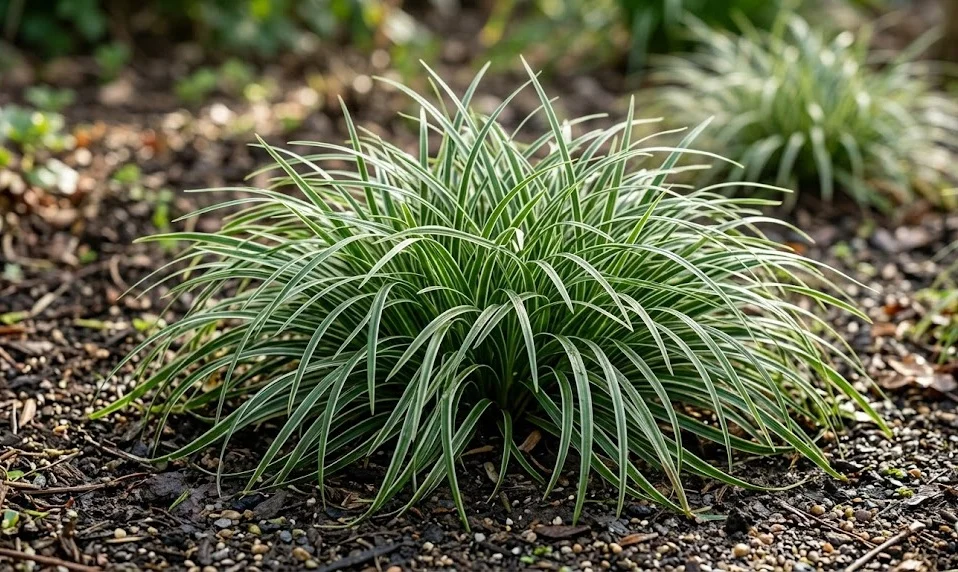

Light requirements of japanese sedge are among the most important factors to consider when deciding where to place this elegant plant in your garden. As a species that naturally thrives in the understory of Japanese forests, it is biologically programmed to perform best in low to moderate light conditions. You will find that providing the right balance of shade and filtered light is the key to maintaining the vibrant colors and the health of the foliage. Placing it in the wrong light environment can lead to significant aesthetic problems and a general decline in the plant’s overall vigor.
In the world of gardening, japanese sedge is famously known as a “shade lover,” which makes it an invaluable asset for those difficult spots where other plants fail. It thrives in locations that receive dappled sunlight or the soft, indirect light found beneath the canopy of large deciduous trees. You should avoid placing it in areas that receive direct, intense midday sun, especially during the height of the summer months. Too much direct light can quickly bleach the colors of the leaves and cause the delicate tips to dry out and turn brown.
The specific light needs can vary slightly depending on the variety you have chosen, as some variegated forms react differently to sunlight than the solid green types. Varieties with white or creamy margins often need a bit more shade to prevent the pale sections of the leaves from scorching under the sun’s rays. Conversely, some gold-variegated types may develop a richer, more intense color if they receive a small amount of gentle morning sun. Understanding these subtle differences allows you to fine-tune the placement of each individual plant for the best possible visual impact in your landscape.
Consistency in the light environment is also beneficial for the plant’s long-term development and the stability of its growth habit. Rapidly changing light conditions, such as those caused by the removal of a nearby tree, can shock the plant and lead to a period of adjustment. You should aim for a spot where the light levels remain relatively predictable throughout the growing season, allowing the plant to settle in and thrive. A well-placed japanese sedge will reward you with a perfectly formed mound of foliage that stays beautiful from spring until the end of winter.
Optimizing shade and dappled light placement
Selecting the perfect degree of shade is an art that requires you to observe how the shadows move across your garden at different times of the day. “Dappled shade” is often considered the ideal condition, where the sunlight is filtered through the leaves of overhead trees, creating a shifting pattern of light and dark. This environment mimics the natural forest floor and provides enough energy for photosynthesis without the heat stress of direct exposure. You should look for areas where the ground receives about two to four hours of this soft, filtered light each day for the best results.
More articles on this topic
If your garden only offers “deep shade,” such as the north side of a solid wall or under very dense evergreens, the sedge will still grow, though perhaps at a slower pace. In these low-light areas, the plant tends to maintain a very dark green color and a slightly more open growth habit as it reaches for any available light. You should be careful not to overwater in deep shade, as the soil stays damp for much longer when there is no sun to aid in evaporation. This type of placement is excellent for creating a lush, green carpet in the darkest corners of your property where little else will thrive.
Morning sun is generally much safer for japanese sedge than the harsh, drying light of the late afternoon. If your chosen spot receives direct sun, try to ensure it happens between dawn and ten o’clock in the morning, when the temperatures are still cool. The moisture from the morning dew helps protect the leaves from the sun’s intensity during these early hours, and the plant can then spend the rest of the day in the cooling shade. This “morning light” strategy is often the best compromise for gardens that do not have perfect, all-day shade available.
You can also use larger companion plants to create a customized light environment for your sedges in a more open garden layout. Planting them on the eastern or northern side of taller shrubs or perennials provides them with a natural shield against the most intense solar radiation. This layered approach to garden design not only solves the light requirement problem but also creates a more interesting and textured landscape. By thinking about light in three dimensions, you can successfully grow japanese sedge in a wide variety of garden settings and configurations.
Recognizing and correcting light-related stress
The most obvious sign that your japanese sedge is receiving too much light is the appearance of “sunscorch” on the most exposed leaves. This manifests as dry, paper-like patches on the leaf blades that eventually turn tan or brown and become brittle to the touch. You will notice that the damage usually appears on the upper surfaces of the mound where the sun hits directly, while the lower, shaded leaves remain green. If you see these symptoms, you should consider providing temporary shade or moving the plant to a more protected location as soon as possible.
More articles on this topic
Fading or bleaching of the foliage is another indicator that the light intensity is higher than the plant can comfortably handle. The vibrant green or clear variegation may begin to look washed out, yellowish, or even silvery as the chlorophyll is damaged by excessive radiation. This loss of color is often accompanied by a general lack of vigor, with the plant producing fewer new leaves and expanding more slowly than usual. A plant in this state is also more susceptible to other stresses, such as drought or minor pest infestations, because its energy reserves are low.
On the other hand, a plant that is in too much shade for its specific variety may start to look “leggy” or stretched out. The leaves may grow unusually long and thin, and the mound will lose its characteristic tight, rounded shape as the plant tries to maximize its surface area for light collection. You might also notice that variegated patterns become less distinct or revert to a more solid green color in very deep shade. In these cases, a small increase in light, such as thinning out the branches of an overhead tree, can help the plant regain its proper form.
Moving a plant that is suffering from light stress is a relatively simple task that can lead to a dramatic improvement in its health and appearance. You should perform the move in the spring or autumn when the weather is cool and the plant is best able to handle the transition. Make sure to water the plant well before and after moving it to help it recover from the physical move and the change in environment. With the right light, your japanese sedge will quickly bounce back and return to being the beautiful, lush specimen it was meant to be.
Long-term light management and seasonal changes
As your garden matures, the light levels in different areas will naturally change as trees grow larger and provide more shade. You should periodically re-evaluate the placement of your japanese sedge to ensure that it is still receiving the appropriate amount of light for its needs. What was once a perfect spot in filtered sun may eventually become deep shade, requiring you to adjust your maintenance routine or even move the plant. Staying observant of these long-term shifts is part of the ongoing process of managing a healthy and beautiful garden over many years.
Seasonal changes also affect the light environment, especially in gardens with deciduous trees that lose their leaves in the winter. During the late autumn and early spring, the sedge may receive much more light than it does during the summer when the canopy is full. Because the temperatures are lower and the sun is less intense during these months, the plant can usually handle this extra light without any problems. In fact, this period of increased light can be beneficial, providing a small energy boost as the plant prepares for its active growing season.
The reflection of light from nearby surfaces can also impact the microclimate and the total amount of light a plant receives. Light-colored walls or large windows can reflect significant amounts of heat and solar radiation onto nearby plants, even if they are technically in the shade. You should be mindful of these “hot spots” when placing your sedge, as the reflected light can be just as damaging as direct sunlight. Choosing a spot with dark, non-reflective surroundings or adding a layer of mulch can help mitigate the effects of reflected light and keep the plant cool.
Ultimately, understanding the light requirements of japanese sedge is about respecting its natural origins and providing a habitat that feels like home. When you get the light right, everything else—watering, fertilizing, and general maintenance—becomes much easier because the plant is naturally thriving. A happy sedge is a resilient and beautiful addition to any garden, providing a touch of elegant, evergreen texture that lasts all year long. By prioritizing light as a key element of your care routine, you are ensuring the long-term success and beauty of your japanese sedge.