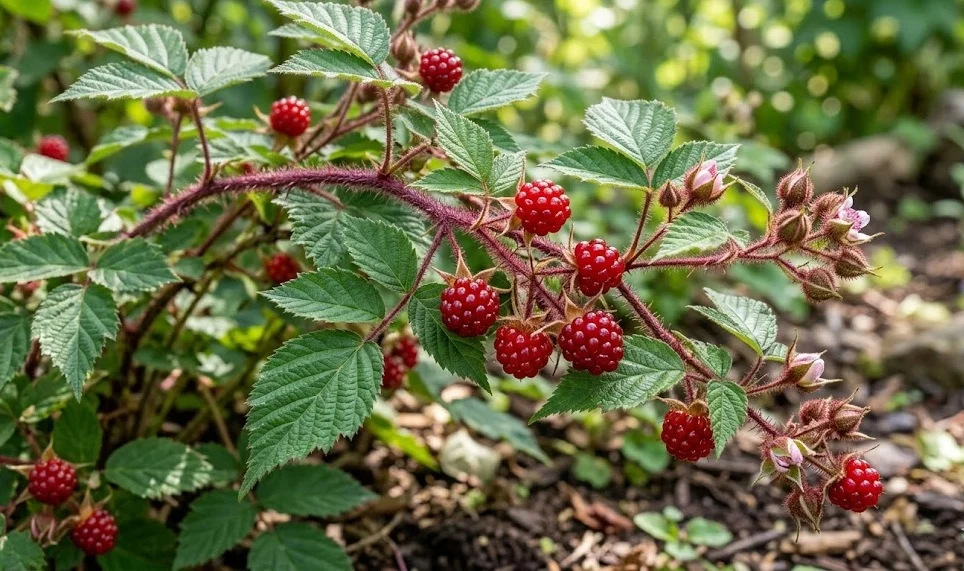

Proper hydration and nutrient management are the twin pillars of a successful Japanese wineberry harvest. While these plants are known for their resilience, the quality and quantity of the berries are directly influenced by the resources they receive during the growing season. A professional approach to watering and feeding ensures that the shrub has the energy to produce large, sweet fruits while maintaining its structural health. Balancing these inputs requires an understanding of the plant’s specific needs at different stages of its annual growth cycle.
Water requirements and timing
The Japanese wineberry has a high demand for water, particularly during the period between flowering and the final ripening of the fruit. Inconsistent moisture levels during this time can lead to small, dry berries or even premature fruit drop. You should aim to provide the equivalent of at least three centimeters of water per week through rain or supplemental irrigation. During periods of extreme summer heat, the plant may require even more frequent watering to prevent the leaves from wilting.
The best time of day to irrigate your berry patch is in the early morning hours before the sun is high in the sky. This timing allows the water to soak deep into the soil and reach the root zone without excessive loss to evaporation. It also ensures that any water that splashes onto the foliage has time to dry before nightfall, which is key to preventing fungal diseases. Evening watering should be avoided if possible, as lingering moisture on the leaves can create a breeding ground for pathogens.
Directing the water toward the base of the plant rather than spraying the entire shrub is a more efficient and professional technique. Soaker hoses or drip irrigation systems are ideal because they deliver moisture slowly and directly to the soil surface. This method reduces water waste and keeps the delicate blossoms and ripening fruit dry. If you are using a manual hose, try to use a soft spray setting to avoid eroding the soil away from the shallow roots.
Monitoring the soil moisture manually is the most reliable way to determine if your plants need more water. You can simply stick your finger a few centimeters into the soil; if it feels dry at that depth, it is time to irrigate. Keep in mind that container-grown wineberries or those in very sandy soil will dry out much faster than those in heavy loam. Developing a “feel” for the plant’s needs allows you to adjust your watering schedule based on the actual conditions rather than a rigid calendar.
More articles on this topic
Mulching for moisture retention
One of the most effective ways to manage the hydration needs of your wineberries is through the consistent use of organic mulch. A thick layer of mulch acts as an insulating blanket, slowing down the evaporation of water from the soil surface. This is especially important during the peak of summer when the intense sun can quickly bake the earth around the plant’s roots. Mulching also helps keep the root zone cooler, which reduces overall stress on the plant during heatwaves.
Materials such as straw, wood chips, or shredded leaves are excellent choices for mulching a wineberry patch. These organic substances slowly break down over time, adding valuable humus and nutrients back into the soil. You should maintain a mulch depth of about five to ten centimeters to provide maximum benefit without suffocating the roots. This layer also serves as a barrier that prevents soil-borne fungal spores from splashing up onto the lower leaves during heavy rains.
In addition to its moisture-retaining properties, mulch is a powerful tool for suppressing aggressive weed growth. Weeds compete directly with the wineberry for available water and nutrients, often leading to stunted growth in the berry crop. By blocking out the light that weed seeds need to germinate, a good mulch layer significantly reduces the amount of time you spend weeding. A clean, mulched garden bed also looks more professional and makes the harvesting process much more pleasant.
When applying mulch, it is important to keep the material a few centimeters away from the actual canes of the plant. If the mulch is piled directly against the stems, it can hold too much moisture against the bark and lead to fungal infections or rot. Check the depth of the mulch a few times a year and replenish it as it decomposes into the soil. This ongoing maintenance ensures that your irrigation efforts are as effective as possible throughout the entire year.
More articles on this topic
Essential nutrient needs
To produce a heavy crop of berries every year, the Japanese wineberry requires a steady supply of essential macronutrients and micronutrients. Nitrogen is particularly important in the early spring to support the rapid growth of new canes and lush foliage. However, an excess of nitrogen late in the season can lead to soft growth that is more susceptible to winter damage. Achieving the right balance is the hallmark of a professional grower who understands the plant’s shifting priorities.
Phosphorus and potassium are also critical, as they support strong root development and the production of high-quality fruit. Potassium, in particular, helps the berries develop their characteristic sweetness and improves the plant’s overall resistance to disease. You can provide these nutrients through a balanced organic fertilizer or by incorporating mineral-rich amendments like wood ash or bone meal. A soil test is the best way to determine which specific elements might be lacking in your garden.
The application of fertilizer should be timed to coincide with the periods of most active growth for the plant. A primary application in early spring as the buds begin to swell gives the plant the energy it needs to start the season strong. A second, lighter application can be made just after the flowering stage to support the heavy demand of fruit development. Avoid fertilizing in late summer or autumn, as this can encourage new growth that won’t have time to harden off before the frost.
Slow-release organic fertilizers are often superior to synthetic versions because they provide a steady stream of nutrients over several months. These products also help build a healthy soil ecosystem by feeding the beneficial bacteria and fungi that live near the roots. If you choose to use a liquid fertilizer, make sure to apply it to moist soil to avoid the risk of burning the delicate root hairs. Consistency in feeding, rather than occasional heavy doses, leads to the most stable and productive plants.
Using organic amendments
Incorporating high-quality compost into your berry patch is one of the best ways to provide a wide spectrum of nutrients naturally. Compost not only feeds the plants but also dramatically improves the soil’s ability to hold onto both water and air. You can apply a layer of compost every spring as a “top-dressing” around the base of each plant. Over time, the worms and other soil organisms will pull this material down into the root zone where it is most needed.
Well-rotted manure is another excellent organic amendment that can provide a significant boost to your wineberry crop. It is important to ensure the manure is fully composted, as “hot” or fresh manure can be too high in ammonia and may damage the plants. Manure from herbivores like cows, horses, or chickens is rich in the nitrogen and organic matter that berries crave. Applying a light layer of manure in the late autumn allows it to break down further over the winter months.
Leaf mold, which is simply decomposed leaves, is a fantastic soil conditioner that mimics the natural forest floor. While it is not as high in primary nutrients as compost or manure, it is unrivaled in its ability to improve soil structure and moisture retention. You can make your own leaf mold by piling up fallen leaves in a corner of the garden and letting them sit for a year or two. Adding this to your berry patch creates the cool, moist, and acidic environment that Japanese wineberries love.
Using these natural amendments reduces the need for chemical inputs and creates a more sustainable and resilient garden. Organic matter also helps to buffer the soil pH, preventing it from becoming too alkaline, which can lock up essential micronutrients like iron. A professional gardener knows that by feeding the soil, they are ultimately feeding the plant in the most effective way possible. This holistic approach leads to healthier plants and berries that are richer in both flavor and nutritional value.
Avoiding fertilizer burn and overfeeding
While nutrients are essential, it is entirely possible to provide too much of a good thing, leading to a condition known as fertilizer burn. This occurs when an excess of mineral salts in the soil draws moisture out of the plant’s roots, causing the leaves to turn brown and crisp at the edges. To prevent this, always follow the recommended application rates on any fertilizer product you use. It is often better to apply slightly less than the maximum amount to ensure the safety of your plants.
Overfeeding with nitrogen-heavy fertilizers can also result in a plant that is all leaves and very little fruit. Excessive nitrogen encourages the wineberry to put all its energy into “vegetative” growth, producing massive canes but few flower clusters. This soft, succulent growth is also much more attractive to pests like aphids and can be easily damaged by wind or heavy rain. A balanced approach ensures that the plant remains productive and structurally sound.
If you suspect that you have over-fertilized your plants, the best course of action is to flush the soil with plenty of clean water. This helps to leach the excess salts out of the root zone and away from the plant. In the following weeks, monitor the new growth closely to see if it appears healthy and green rather than stunted or scorched. Taking a break from fertilizing for the remainder of the season may be necessary to allow the soil chemistry to rebalance.
The key to professional nutrient management is observation and moderation rather than a “more is better” mentality. Pay attention to the color and size of the leaves, as they are often the first indicators of nutritional status. Dark green, moderately sized leaves usually indicate a well-fed and healthy wineberry plant. By adjusting your practices based on the plant’s visual cues, you can maintain the perfect level of fertility for a legendary harvest.