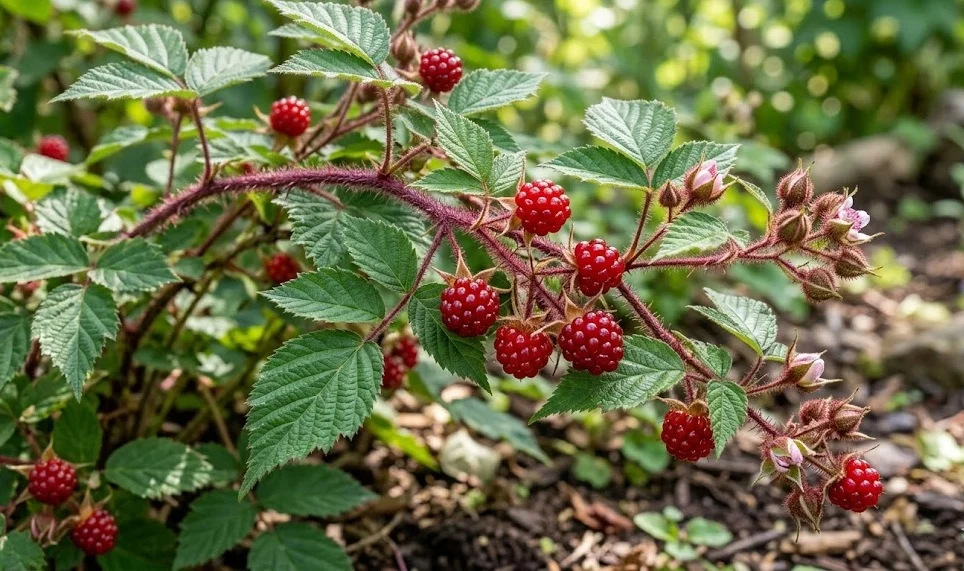

The primary focus of maintaining a thriving Japanese wineberry patch lies in understanding its unique growth habits and vigorous nature. This ornamental yet highly productive shrub requires a balanced approach to ensure it remains healthy while producing a bountiful harvest of tart, jewel-like berries. Home gardeners often appreciate the plant for its striking red glandular hairs and its ability to fill a space quickly with lush foliage. Success with this species is largely dependent on consistent monitoring and providing the specific environmental conditions it craves throughout the growing season.
General maintenance and monitoring
Developing a routine for observing your plants is the first step toward long-term success in the garden. You should walk through your berry patch at least once a week to check for any signs of stress or unusual growth patterns. These frequent visits allow you to spot potential issues like nutrient deficiencies or early pest arrivals before they become unmanageable. Taking the time to understand the natural rhythm of the plant helps in making informed decisions about its care.
The structural integrity of the canes is a vital component of the plant’s overall health and productivity. Since these berries grow on biennial canes, you must distinguish between the new green growth and the older fruiting wood. Healthy canes should appear robust and covered in the characteristic reddish bristles that give the plant its name. If you notice any brittle or excessively thin stems, it might indicate that the plant is struggling with its environment.
Weed management is another critical aspect of general care that should never be overlooked by the dedicated gardener. Because the wineberry has a relatively shallow root system, it does not compete well with aggressive perennial weeds or tall grasses. Keeping the base of the plant clear of competing vegetation ensures that all available nutrients and water go directly to fruit production. A clean garden floor also improves air circulation, which is essential for preventing various fungal issues.
Finally, keeping a garden journal can be an invaluable tool for tracking the performance of your plants over several years. Recording the dates of the first blossoms and the peak of the harvest helps you predict future yields and plan your kitchen activities. You might also note how the weather affected the flavor of the berries during specific seasons. This data-driven approach allows for a more professional level of gardening that adapts to the specific microclimate of your land.
More articles on this topic
Soil management and health
The foundation of any successful fruit-growing endeavor is the quality and composition of the soil in which the plants are rooted. Japanese wineberries prefer a soil that is rich in organic matter and maintains a slightly acidic to neutral pH level. You should ideally test your soil before each growing season to ensure the nutrient levels remain balanced for fruit production. Proper soil preparation prevents many common growth problems and sets the stage for a vigorous root system.
Drainage is perhaps the most important physical characteristic of the soil when growing this specific variety of berry. While the plants enjoy consistent moisture, they will quickly suffer from root rot if the soil remains waterlogged for extended periods. If your garden has heavy clay soil, you may need to incorporate sand or fine gravel to improve the internal drainage. Creating a slightly raised bed can also help move excess water away from the sensitive crown of the plant.
Incorporating composted organic matter into the top layers of the soil provides a slow-release source of essential nutrients. This practice not only feeds the plant but also improves the soil structure and encourages beneficial microbial activity. You should aim to apply a fresh layer of high-quality compost every spring as the new growth begins to emerge. This annual replenishment ensures that the soil does not become exhausted by the plant’s high energy demands.
Maintaining a healthy soil biology is just as important as the chemical makeup of the earth beneath your feet. Avoiding the over-use of harsh chemical pesticides helps protect the worms and microorganisms that naturally aerate the soil. These tiny inhabitants play a crucial role in breaking down organic matter into forms that the roots can easily absorb. A living, breathing soil environment is the best guarantee for the long-term vitality of your berry plantation.
More articles on this topic
Training and support structures
Because of its vigorous and arching growth habit, providing a sturdy support system is essential for keeping the berry patch organized. Without a trellis or fence, the long canes will eventually touch the ground and take root, creating an impenetrable thicket. A simple wire system or a wooden frame allows you to tie the canes upward, making the fruit much easier to reach. This vertical orientation also keeps the berries off the ground, reducing the risk of rot and soil contamination.
When choosing a support structure, you must consider the ultimate weight of the plant during the height of the fruiting season. A mature wineberry can become quite heavy when loaded with clusters of ripening fruit and heavy summer foliage. Using pressure-treated timber or galvanized metal posts ensures that the structure will last for many years without collapsing. Tensioned wires running horizontally at different heights provide the best points for securing the arching canes.
The process of tying the canes to the support should be done with care to avoid damaging the delicate bark. Soft garden twine or flexible plastic ties are much better choices than thin wire, which can cut into the stems during windy weather. You should aim to spread the canes out in a fan shape to maximize the amount of sunlight reaching the center of the plant. This open structure not only helps the fruit ripen evenly but also makes the eventual pruning process much simpler.
A well-organized trellis system significantly improves the airflow throughout the entire canopy of the wineberry. Better ventilation is a natural deterrent for many common garden pests and diseases that thrive in stagnant, humid conditions. It also allows you to see the fruit more clearly, ensuring that you pick every berry at its peak of ripeness. A professional-looking trellis also adds an aesthetic element to the garden, turning a wild shrub into a structured feature.
Seasonal growth cycles
Understanding the seasonal progression of the wineberry is key to timing your gardening tasks correctly. In early spring, the plant wakes from dormancy and begins to push out new foliage and long, green primocanes. This is a period of intense energy consumption where the plant focuses on building its structure for the coming year. You will notice the distinctive red hairs becoming more prominent as the temperatures begin to rise steadily.
As late spring turns into summer, the floricanes that grew the previous year will begin to produce white or pinkish flowers. These blossoms are highly attractive to bees and other pollinators, which are necessary for a successful fruit set. During this phase, it is vital to ensure the plant has enough resources to support both the new growth and the developing fruit. Monitoring the weather becomes even more important as the transition to the fruiting stage begins.
The harvest period typically occurs in mid to late summer, depending on your local climate and the specific weather patterns of the year. You will see the berries transition from green to a pale orange and finally to a deep, translucent red. It is best to pick the fruit frequently, as ripe berries can attract birds and insects if left on the vine too long. This stage is the most rewarding part of the cycle, providing a direct result of your hard work throughout the year.
Once the harvest is complete, the plant enters a phase of preparation for the following season. The old floricanes that bore fruit will slowly begin to die back, while the current year’s primocanes continue to grow and harden. This late summer and autumn period is when the plant stores energy in its root system for the winter ahead. Properly managing this transition ensures that the wineberry remains resilient and ready for the next growing cycle.
Harvesting techniques and storage
Knowing exactly when to pick the fruit is an art that every wineberry grower must master over time. Unlike some other berries, the wineberry is ripe when it pulls away easily from the central core, leaving a hollow center. The color should be a bright, glossy red, and the fruit should feel slightly soft to the touch but not mushy. If you have to tug on the berry, it is likely not yet at its peak sweetness and should stay on the plant.
The best time of day for harvesting is in the early morning after the dew has evaporated but before the heat of the sun intensifies. Cool berries have a much better shelf life and are less likely to bruise during the picking process. You should use shallow containers to avoid crushing the bottom layer of fruit under the weight of the ones above. Handling the berries as little as possible helps preserve their delicate texture and prevents premature spoilage.
Because these berries are quite soft and juicy, they do not stay fresh for long periods after being harvested. If you are not consuming them immediately, they should be placed in the refrigerator as soon as possible to slow down the ripening process. Even under ideal conditions, fresh wineberries usually only last for two or three days before they begin to lose their quality. For longer-term storage, freezing is an excellent option that preserves the flavor for use in jams or desserts.
When preparing the fruit for freezing, it is helpful to wash them gently and then pat them dry with a soft cloth. Spread the berries out in a single layer on a baking sheet and place them in the freezer until they are solid. Once frozen, you can transfer them to airtight bags or containers for long-term storage throughout the winter months. This method prevents the berries from clumping together, allowing you to take out exactly what you need for a specific recipe.
Tools and safety in the garden
Working with Japanese wineberry requires specific tools and a focus on personal safety due to the plant’s unique physical characteristics. The canes are covered in thousands of tiny, sticky red hairs and small prickles that can irritate the skin. You should always wear long sleeves and durable gardening gloves when handling the stems or pruning the plant. Protecting your eyes with safety glasses is also recommended when working within the dense canopy of the shrub.
A pair of high-quality bypass pruners is the most essential tool for maintaining the health and shape of your berry patch. These shears provide a clean, sharp cut that heals quickly, reducing the risk of disease entering through the wound. It is important to keep your blades sharp and clean by wiping them with alcohol between different plants. Using dull tools can crush the stems, leading to dieback and making the plant more vulnerable to environmental stress.
For larger tasks or clearing out old wood, a small folding saw or long-handled loppers can be very helpful. These tools provide the extra leverage needed to cut through the thickest canes at the base of the plant. Always make sure your footing is stable before making a cut, especially when working on the inner parts of the trellis. Keeping your tools well-maintained ensures that gardening remains a productive and enjoyable activity rather than a frustrating chore.
Proper storage of your gardening equipment also plays a role in the overall efficiency of your horticultural practices. After each use, you should clean your tools of any sap or dirt and dry them thoroughly to prevent rust. Applying a light coat of oil to the metal parts will help them last for many seasons in the garden. Organizing your shed or workspace allows you to find what you need quickly, making it easier to keep up with the plant’s maintenance schedule.
Longevity and patch rejuvenation
A well-tended Japanese wineberry plant can remain productive for many years, but its vigor may eventually start to decline. You might notice that the berries become smaller over time or that the new canes are not as robust as they once were. This is often a sign that the soil is becoming depleted or that the root system has become overly crowded. Understanding when and how to rejuvenate your patch is vital for maintaining a consistent supply of fruit.
One effective way to revitalize an aging berry patch is to perform a heavy thinning of the root system every few years. This process involves removing some of the older, woodier sections of the crown to make room for fresh growth. You can also dig up and relocate some of the younger offsets to a new, nutrient-rich location in the garden. This constant cycle of renewal keeps the genetics of your patch strong and prevents the buildup of soil-borne pathogens.
Applying a thick layer of organic mulch every autumn can also help extend the productive life of your plants. Mulch protects the roots from extreme temperature fluctuations and slowly breaks down to add fertility to the soil. As the mulch decomposes, it mimics the natural forest floor environment where these plants originally evolved. This simple practice reduces stress on the plant and encourages a deeper, more resilient root architecture.
Eventually, you may find it necessary to replace your original plants with fresh stock to ensure the best possible results. Starting over in a new location with disease-free nursery plants can sometimes be the most efficient way to deal with a failing patch. However, with proper care and attention to the soil, your wineberries can provide delicious harvests for a decade or more. Investing time in long-term care ensures that your garden remains a source of joy and nourishment for many seasons to come.